About Plectropomus maculatus (Bloch, 1790)
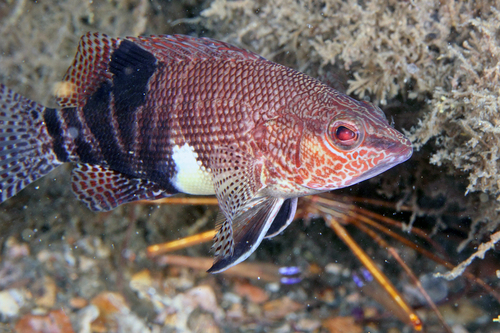
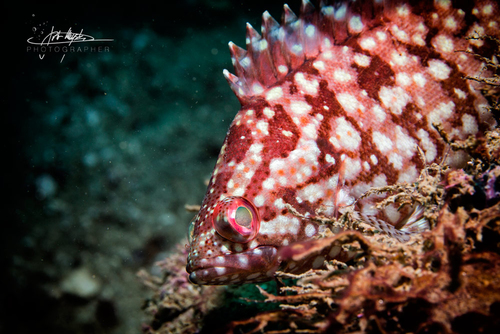
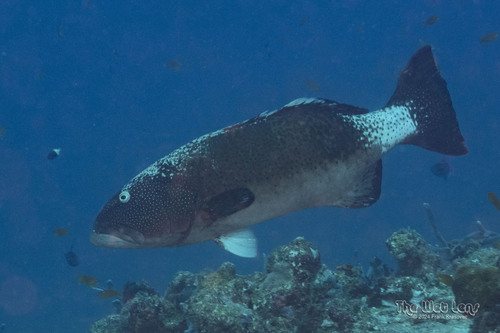
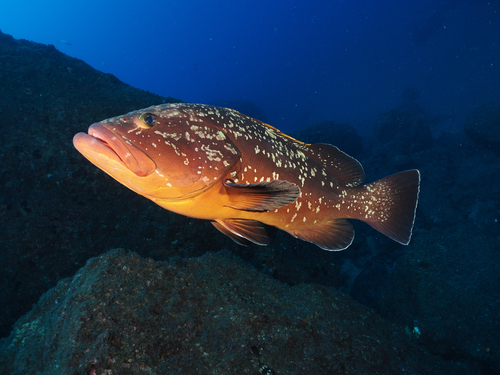
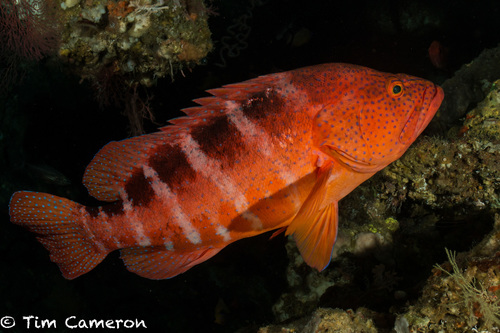
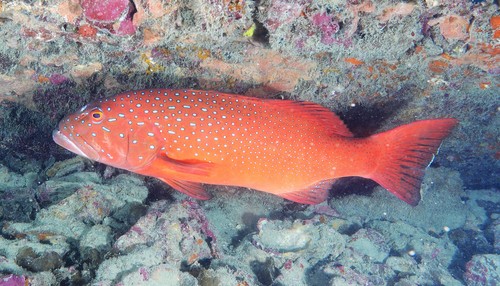
Plectropomus maculatus, also called spotted coral grouper, barcheek coral trout or coastal coral trout, is one of the eight species that make up the genus Plectropomus. This species occurs in the Western Pacific, with confirmed records from Thailand, Singapore, the Philippines, Indonesia, Papua New Guinea, the Arafura Sea, the Solomon Islands, and Australia. It is most commonly found on nearshore and coastal reefs, at depths between 3 and 30 metres (10 to 98 ft). Individuals can be coloured red, pale grey, olive, or dark brown, and have many small, elongated blue spots across the head, body, and fins. While specimens have been reported to reach 125 cm (49 in) in total length, the confirmed scientific record is an individual that measured 85 cm (33 in) and weighed 9.7 kg (21 lb), captured by a spearfisher at Moreton Island, Queensland in 2017. Another confirmed record is a 6.4 kg (14 lb) individual caught by a line fisher at Broadhurst Reef in 1987. In shallow aquarium water conditions, Plectropomus maculatus shows stronger physiological stress responses than the related species Plectropomus leopardus. P. maculatus has higher levels of cortisol, glucose, lactate, hemoglobin, and hematocrit than P. leopardus, and lactate concentration (which supports muscle movement) becomes especially elevated in P. maculatus when the fish is thrashing. Juvenile Plectropomus maculatus primarily feed on crustaceans, but recent environmental degradation has driven a dietary shift. Reduced availability of their preferred crustacean prey has forced juveniles to rely more heavily on less-preferred fish prey.