About Plectranthus verticillatus (L.f.) Druce
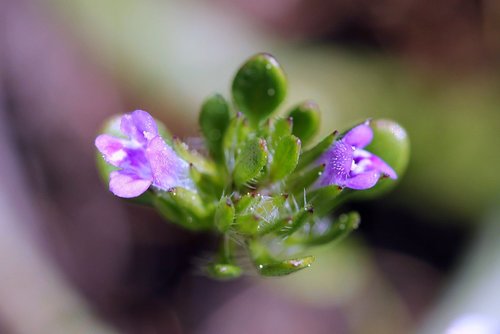
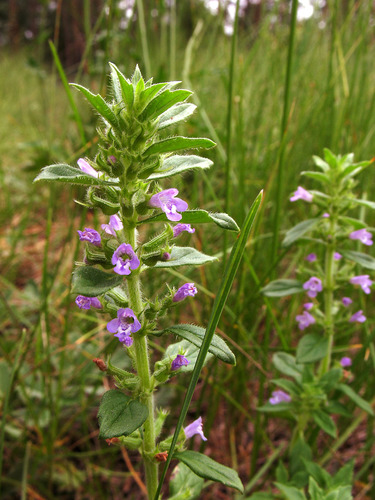
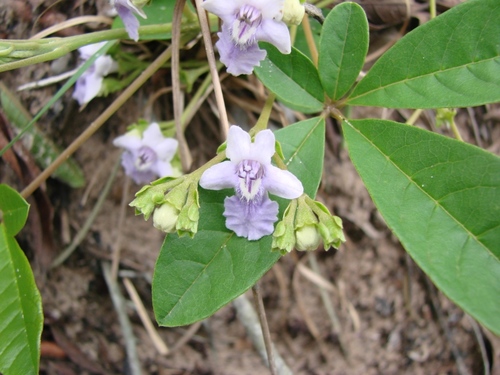
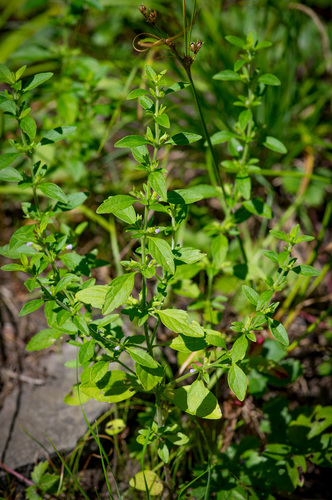
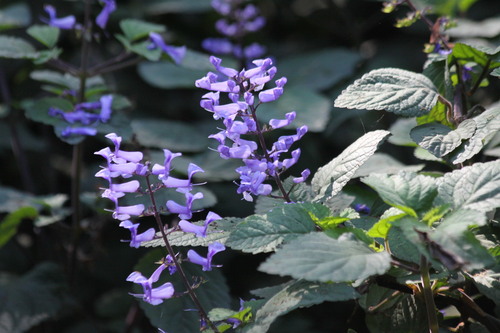
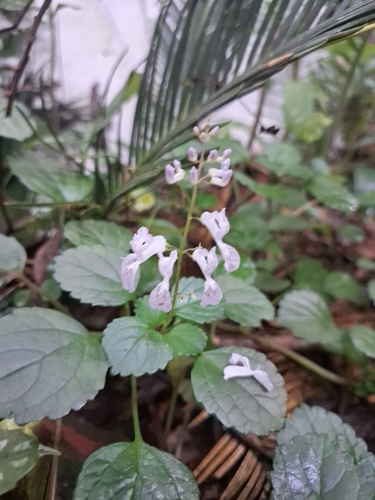
Plectranthus verticillatus (L.f.) Druce is a trailing plant with aromatic, glossy green round leaves that sometimes develop a deep purple central patch. It reaches 10 to 30 cm in height and spreads approximately 60 cm wide. Deep purple color also appears on the plant's stems and the undersides of its leaves. Its leaves are fleshy, widely serrated, and rounded, measuring 64 to 90 mm across. Leaf undersides are purple, hairy, and bear reddish sessile glands. Upright racemes bear flowers in shades of white, pale violet, or pale pink; these racemes can sprout sporadically throughout the year, most typically in spring and late autumn. Flowers are arranged in verticillasters of 2 to 4 flowers, accompanied by 2–3 mm bracts. The fruits are 1 mm brown, wrinkled nuts. The common name "Swedish ivy" is misleading: this plant is not thigmotropic, meaning it does not cling to walls with roots as it grows, it is not native to Sweden, and it is not closely related to the true ivy genus Hedera. Some variegated, silvery plants sold as Swedish Ivy for cultivation in pots and hanging baskets are actually Plectranthus oertendahlii, a species native to coastal river gorges of KwaZulu-Natal. Plectranthus verticillatus is native to southern Africa, where it occurs in the Cape Provinces, KwaZulu-Natal, Eswatini, the Northern Provinces, and southern Mozambique. It has become naturalized in El Salvador, Honduras, the Leeward Islands, the Venezuela Antilles, the Windward Islands, Venezuela, Puerto Rico, Hawaii, as well as south-east Queensland and coastal areas of New South Wales in Australia. Plectranthus verticillatus is grown as an ornamental plant. It is a robust species that grows well in indirect sunlight, and is most often cultivated as a hanging houseplant. In frost-free regions, it is also used as garden groundcover or allowed to trail down walls. It can tolerate milder frosts when grown under the canopy of trees and shrubs. As a tender perennial, it is hardy in USDA zones 10-11. In cooler climates, it is grown as an indoor houseplant or as an annual. It prefers consistent moisture, responds well to pruning, and can be easily propagated from rooted cuttings. It has few overall vulnerabilities, though weak plants can become infested with spider mites.