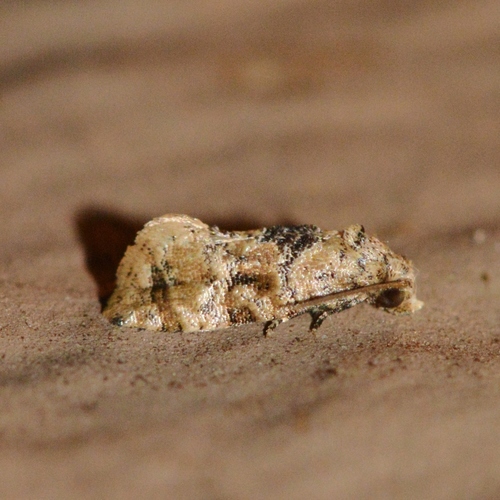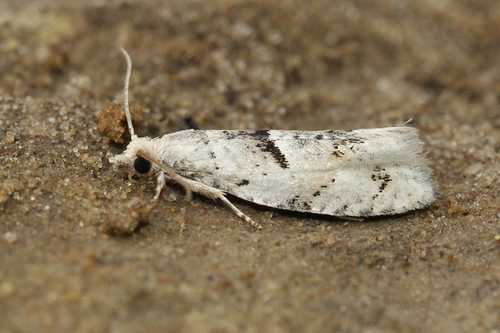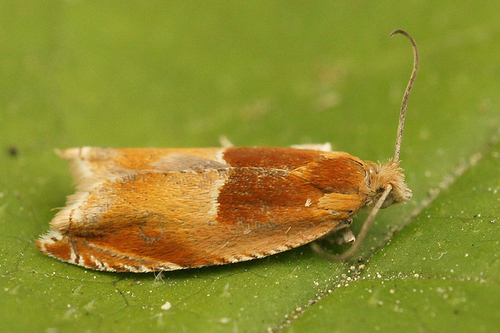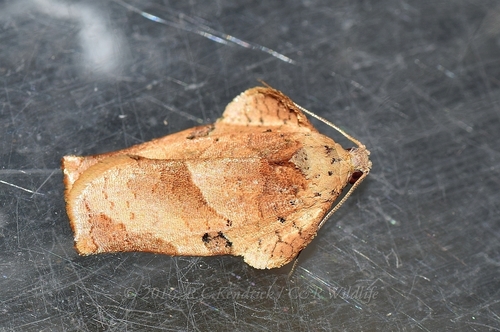
About Platynota stultana Walsingham, 1884
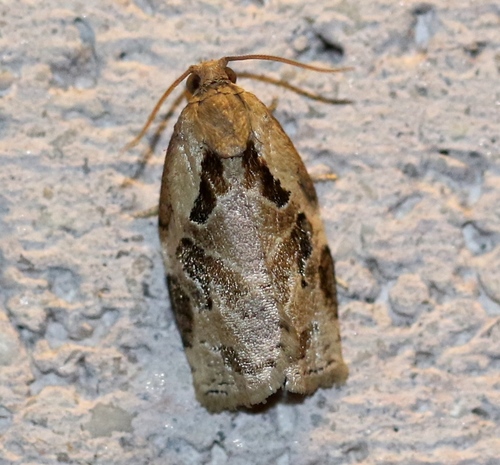
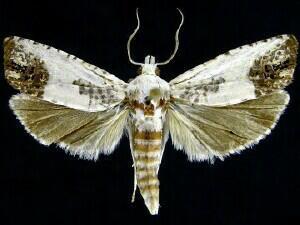
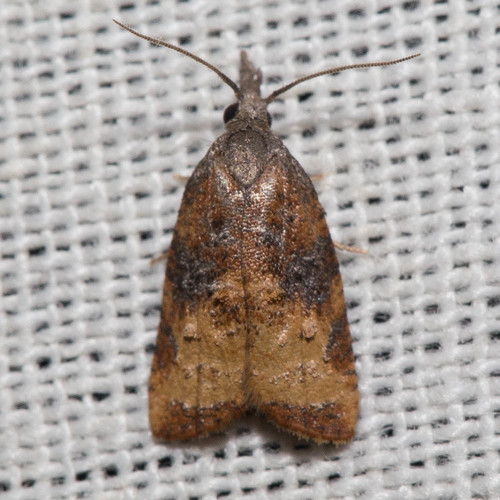
Platynota stultana, commonly known as the omnivorous leafroller, is a moth species belonging to the family Tortricidae. This species is distributed across Mexico and the United States, where it occurs in California, Arizona, Texas, Florida, and Hawaii. Adult moths have a wingspan of approximately 14 mm, and adults can be found flying year-round. In California, the species produces between four and six generations each year.
The larvae of Platynota stultana have been recorded feeding on a very wide range of host plants. These host plants include Albizia, Medicago sativa, Amaranthus, Malus, Aster, Persea americana, Phaseolus, Rubus, Vigna unguiculata, Dianthus caryophyllus, Apium graveolens, Trifolium, Beta vulgaris, Zea mays, Cotoneaster, Gossypium, Ribes, Cyclamen, Chrysanthemum, Eucalyptus, Gardenia, Pelargonium, Ginkgo, Vitis, Poaceae, Packera, Juniperus, Chenopodium album, Citrus x limon, Malva, Citrus, Mentha, Prunus persica, Arachis, Pyrus, Capsicum, Pinus, Ambrosia, Rosa, Portulaca grandiflora, Citrus maxima, Sorghum bicolor, Glycine max, Citharexylum spinosum, Actinidia arguta, Solanum lycopersicum, Juglans regia, and Taxus.
The omnivorous leafroller is classified as a serious pest of greenhouse plants and vineyards. When larvae feed on grapes, the damage they cause leads to bunch-rot, which can result in crop losses as high as 80%.