About Pissodes strobi Say, 1831
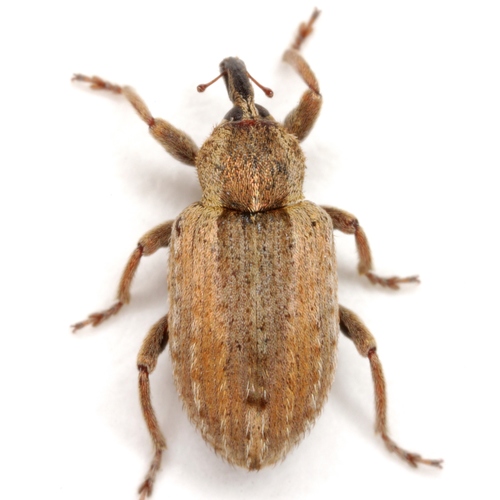
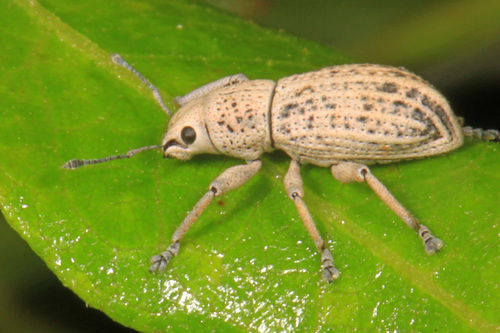
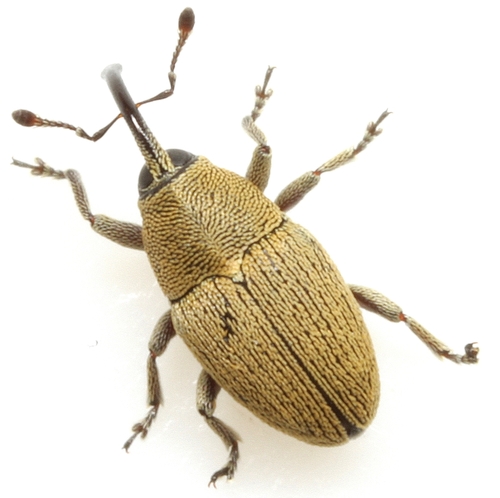
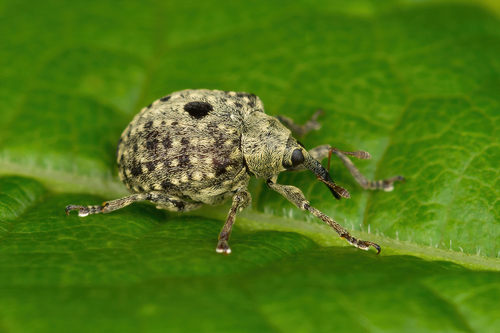
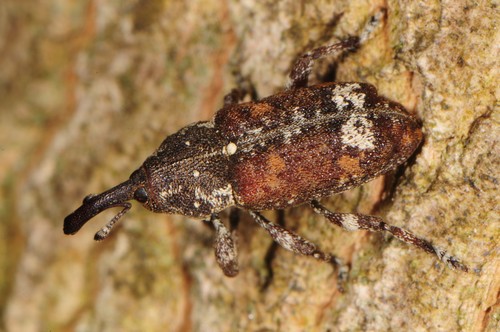
Pissodes strobi, commonly called the white pine weevil or Engelmann spruce weevil, is the main weevil species that attacks and destroys white pines. This species was originally described in 1817 by William Dandridge Peck, a professor of natural history and botany at Harvard University. Adult weevils are dark brown with white spots and are native to North America. Females lay their eggs inside host trees, most commonly white pine, Sitka spruce, white spruce, Engelmann spruce, or other pine and spruce species. After hatching, weevil offspring feed on the host tree until it dies. Adult white pine weevils feed on terminals, shoots, and needles of pine and spruce trees. As native North American insects, white pine weevils can infest over 20 different tree species. Their main target is eastern white pine, and other affected species include Colorado blue spruce, Norway spruce, Serbian spruce, Scots pine, red pine, pitch pine, jack pine, and Austrian pine.