About Pipturus albidus (Hook. & Arn.) A.Gray ex H.Mann
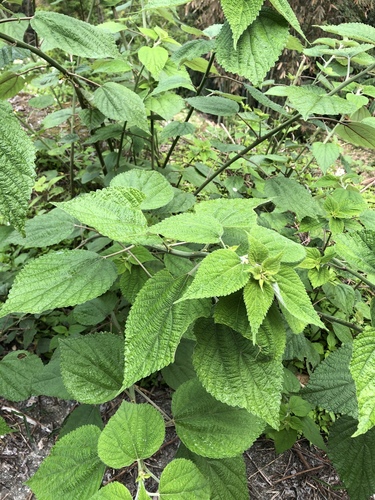
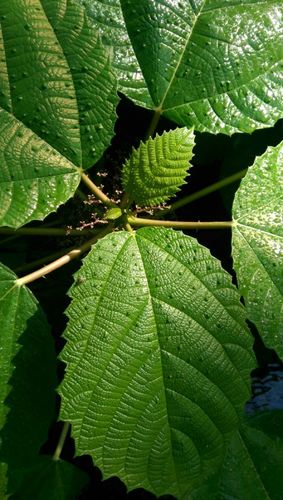
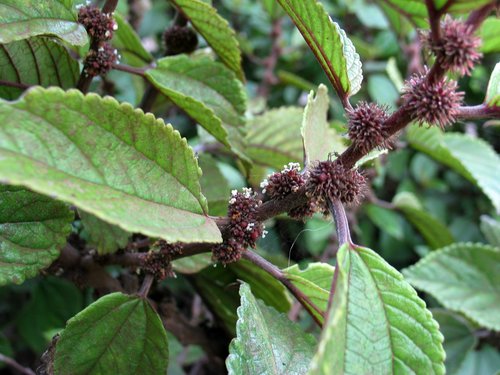
Pipturus albidus (Hook. & Arn.) A.Gray ex H.Mann is called māmaki (sometimes waimea, named for its resemblance to olomea) in Hawaiian, and Waimea pipturus in English. It is a species of flowering plant in the nettle family Urticaceae that is endemic to Hawaiʻi. It grows in coastal mesic, mixed mesic, and wet forests at elevations ranging from 60 to 1,830 m (200 to 6,000 ft). Māmaki is a small tree that reaches 9 m (30 ft) in height, with a trunk diameter up to 0.3 m (0.98 ft). In terms of ecology, Pipturus albidus attracts the Kamehameha butterfly (Vanessa tameamea) and Koa butterfly (Udara blackburni) because its nectar is sweet. Kamehameha butterfly eggs on this plant have good survival and develop to larger sizes, leading to better overall performance. For traditional medicinal use, Native Hawaiians created a treatment from the fruit of māmaki for the illnesses called ʻea and pāʻaoʻao. They also made an herbal tea by combining fresh māmaki leaves with hot stones and spring water, which was used as an effective treatment for general debility. Tea made from the leaves of this plant contains antiviral properties, antibacterial properties, and antioxidants including catechins, chlorogenic acid, and rutin. It also has documented anticancer and chemopreventive properties. Packages of dried māmaki leaves are currently commercially produced. For non-medicinal uses, Native Hawaiians used the bast fibres of Pipturus albidus to make kapa (bark cloth) and kaula (rope).