About Pipistrellus pygmaeus (Leach, 1825)
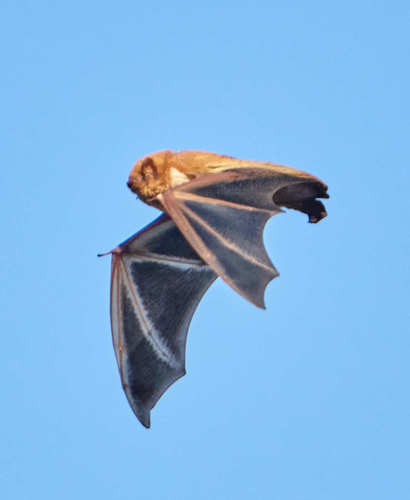
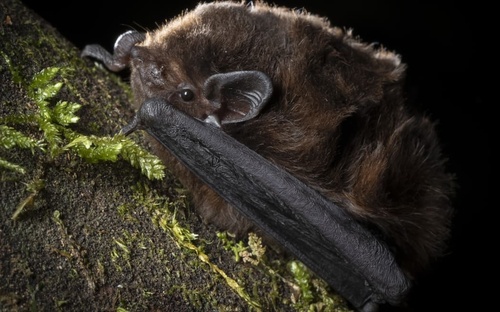
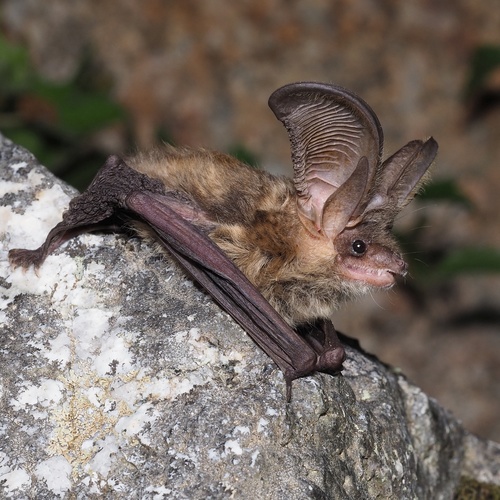
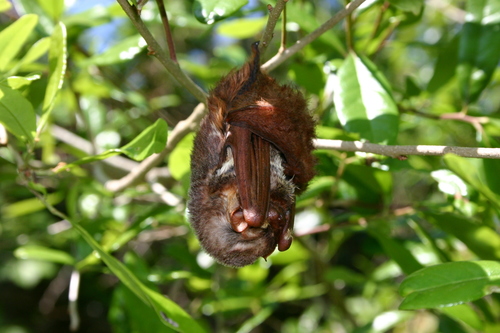
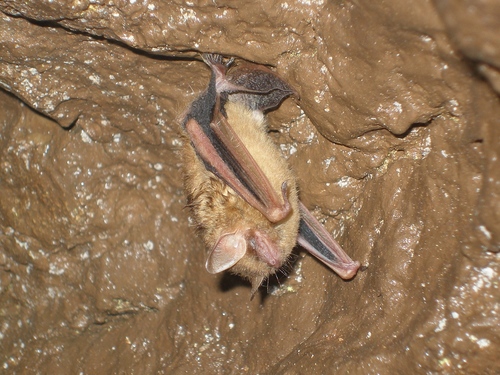
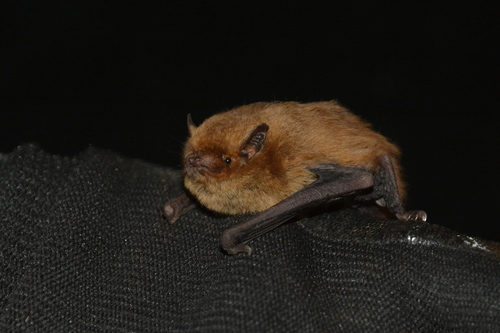
The soprano pipistrelle (Pipistrellus pygmaeus (Leach, 1825)) is a small bat species found across Europe that frequently roosts on human buildings, particularly in rooftops and houses. A study by Lourneco and Palmeirim examined why this species prefers rooftop roosts, finding that rooftops provide a range of thermal options that match the bat's temperature preferences. While soprano pipistrelles can physiologically thermoregulate at temperatures up to 40 degrees Celsius, they avoid exposure to temperatures above this threshold. Rooftops allow maternity colonies to access cooler spots on hot days and warmer spots during cooler periods. This thermal preference study used bat boxes of different colours to measure usage rates: even though black bat boxes could become too warm, they were the most frequently used, confirming the species' preference for warmer temperatures when possible. A separate study by Nicholls and Racey found that the home range of individual soprano pipistrelles is relatively small, averaging around 487 hectares. Their overall home ranges are made up mostly of agricultural land, with significant additional habitat use of woodland edges and grasslands. For foraging, however, soprano pipistrelles strongly prefer riparian woodland over all other habitat types. Water-based habitats rank as the second most preferred foraging location, and together these two habitats account for 77% of the species' total foraging time, per Nicholls and Racey. Hunting grounds for the bats can be located 4 to 10 kilometres away from their roosting site. During pregnancy and nursing, soprano pipistrelles gather in large maternity colonies. These colonies are often much larger than colonies of the related common pipistrelle (Pipistrellus pipistrellus), which typically number fewer than 200 bats. The large size of soprano pipistrelle colonies creates a nuisance for human residents due to accumulated odour. During early pregnancy, soprano pipistrelles emerge from their roost later than they do during late pregnancy or lactation. This difference in emergence timing may be linked to the large size of the species' colonies, according to Lourneco and Palmeirim. For this species, early pregnancy occurs in May, late pregnancy occurs in June and July, and lactation takes place in August.