About Pinguicula primuliflora C.E.Wood & R.K.Godfrey
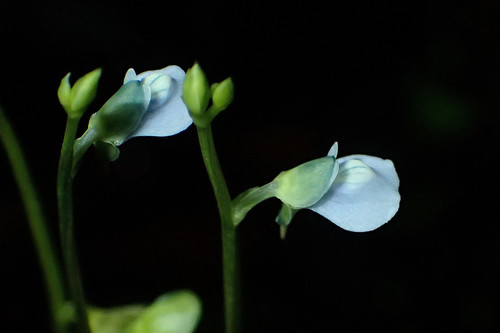
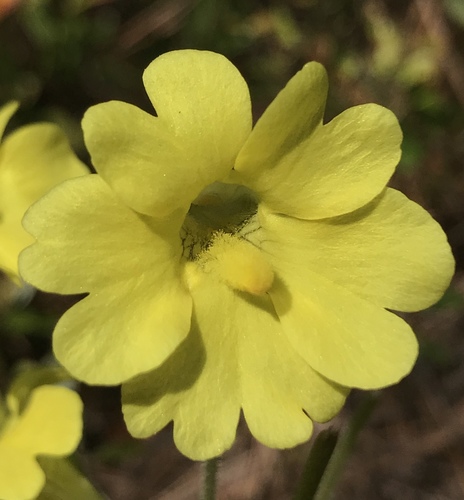
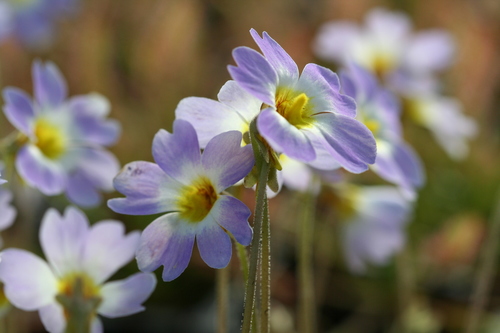
Pinguicula primuliflora, pronounced /ˌpɪˈŋɡwɪkjələ ˌprɪmjʊləˈflɔːrə/, is commonly known as the southern butterwort or primrose butterwort. It is a species of carnivorous plant in the genus Pinguicula, native to the southeastern United States. The typical variety of this plant produces white flowers when it blooms. Like all other butterworts, it has sticky adhesive leaves that attract, capture, and digest arthropod prey. This process supplies the plant with nutrients like nitrogen that are not available in the nutrient-poor, acidic soil where it naturally grows. Its scientific name refers to the fact that this species is usually the first butterwort to flower in spring. This species is native to the southeastern United States, where it is most commonly found between southeastern Mississippi and northwestern Florida. It grows in U.S. Department of Agriculture Plant Hardiness Zone 8, and can tolerate short periods of temperatures as low as 20°F (-9°C). Pinguicula primuliflora is considered an ideal first butterwort for beginner growers, and is generally easy to cultivate. It does not require high humidity or extremely intense lighting to flower and produce its sticky, carnivorous leaves. It can be propagated through self-fertilization, though cross-pollination with another individual plant produces more effective results. In cultivation, P. primuliflora often grows vigorously like a weed: it is not unusual for many new shoots to emerge from the original plant, which can eventually outgrow its pot and require maintenance. Like other carnivorous plants, P. primuliflora needs poor, acidic soil. Recommended soil mixes include a 50/50 blend of peat moss and perlite, a 50/50 blend of peat moss and horticultural sand, or pure sphagnum peat moss. Regular potting soil and fertilizer should not be used. Along with some other butterwort species, P. primuliflora can be grown in a tray of standing water, which helps increase humidity and maintain consistent soil moisture.