About Pieris brassicae (Linnaeus, 1758)
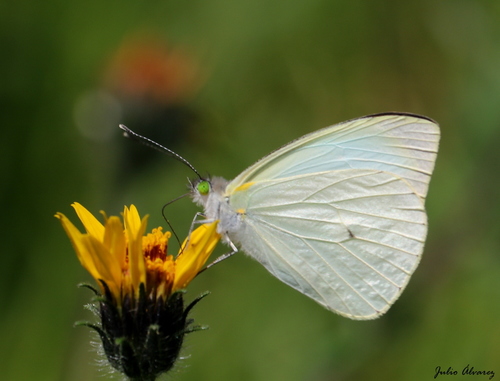
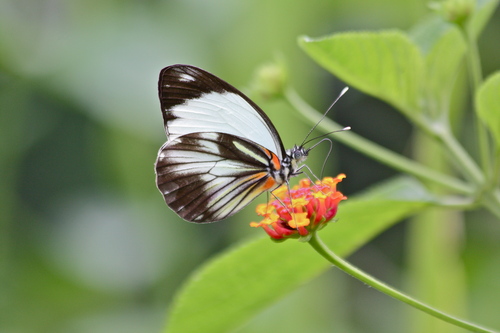
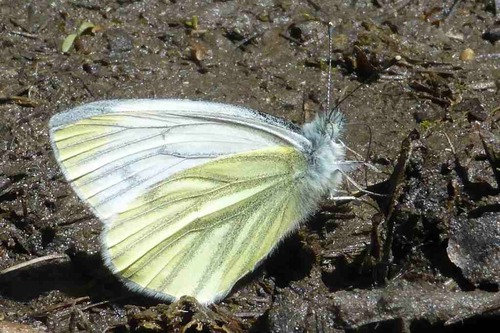
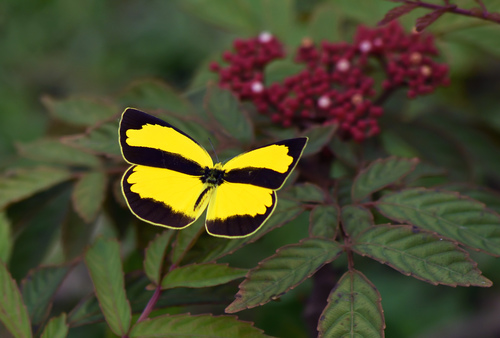
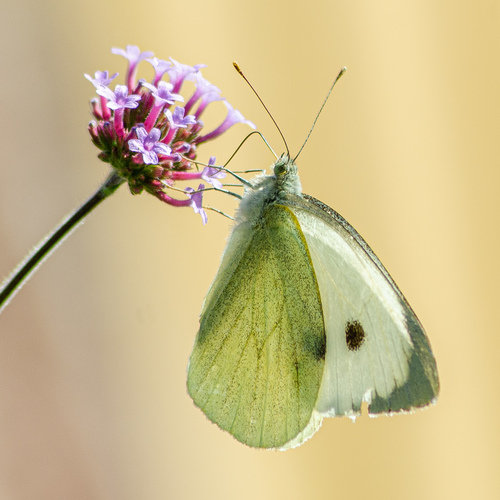
Pieris brassicae, commonly called the large white, is also known as the cabbage butterfly, cabbage white, and erroneously as cabbage moth; in India it is called the large cabbage white. This species is a butterfly in the family Pieridae, and a close relative of the small white, Pieris rapae. The large white is common across Europe, North Africa, and Asia, reaching as far east as the Himalayas. It most often lives in agricultural areas, meadows, and parkland. It has established a permanent population in South Africa, and in 1995 it was predicted to spread to Australia and New Zealand. The large white is a strong flyer, and most years the British population receives new individuals from continental migrations. Over the past century, scattered reports of this butterfly from the north-eastern United States (New York, Rhode Island, and Maine) are unconfirmed, and are thought to represent either accidental transport or intentional release. Such introductions raise the risk of this agricultural pest becoming established in North America. In 2010, the butterfly was found in Nelson, New Zealand, where it is called the great white butterfly. It is classified as an unwanted pest there because of its potential negative impact on crops. In October 2013, the New Zealand Department of Conservation offered a monetary reward for captured large whites for a limited period: the public captured 134 butterflies over two weeks, earning $10 for each individual handed in. Along with other containment measures including over 263,000 searches in the upper South Island and the release of predatory wasps, this effort led to the large white being officially declared eradicated from New Zealand in December 2014. The large white's habitat includes large open spaces, farms, and vegetable gardens, which provide its required food source. Favored resting locations include walls, fences, tree trunks, and their food plants, and the butterflies primarily hover around these sites. These locations typically hold both wild and cultivated crucifers, as well as oil-seed rape, cabbages, and Brussels sprouts. Large white butterflies show preferences for specific food plants, and research shows these preferences depend on the butterflies' previous experiences. Preference is shaped by the species of food plant encountered, when those experiences occurred, and the context of the choice situation. This means large whites learn which foods they prefer, rather than preferences being driven by sense organs or physiological changes. Unlike learned adult food preferences, female large whites use visual cues such as plant colour to choose the best host plants for laying eggs. Plants that contain mustard-oil glucosides are important to this butterfly, because these compounds shape large white feeding behaviour and affect caterpillar survival rates. Because large whites consume large amounts of plants containing mustard oils, they become distasteful to predators such as birds. Brightly coloured caterpillars are protected from predator attacks, and their bright colouration acts as a warning signal to predators that they are unpleasant to eat. Beyond predator protection, mustard oil glucosides act as stimuli that trigger the biting response associated with feeding. Alkaloids and steroids found in some plants reduce and inhibit the butterflies' response to mustard oil glucosides. The use of mustard oil glucosides therefore dramatically affects the butterfly's behaviour and its food selection for survival. Larvae of the large white feed on cabbages, radishes, and the undersides of leaves. Adult large whites feed on flower nectar.