About Phytoliriomyza pittosporophylli (Hering, 1962)
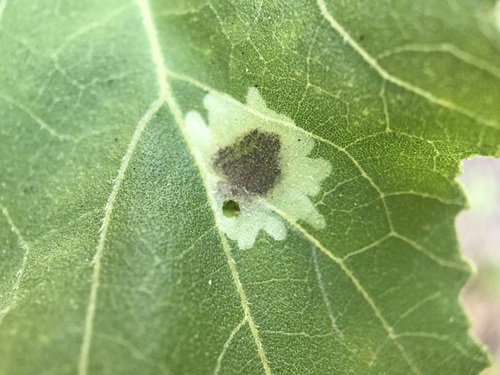
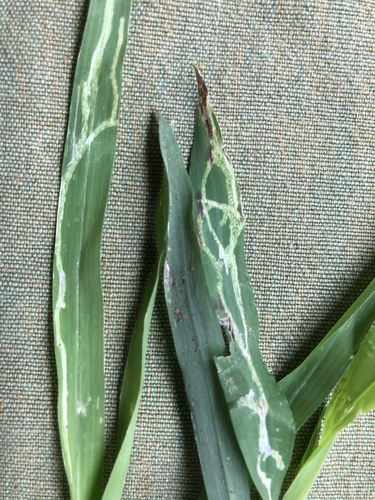
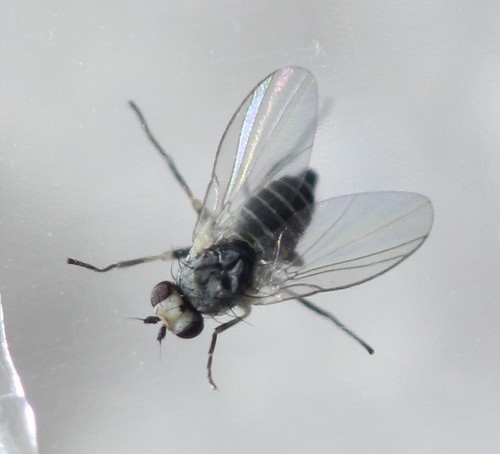
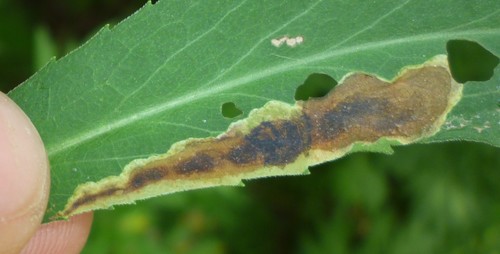
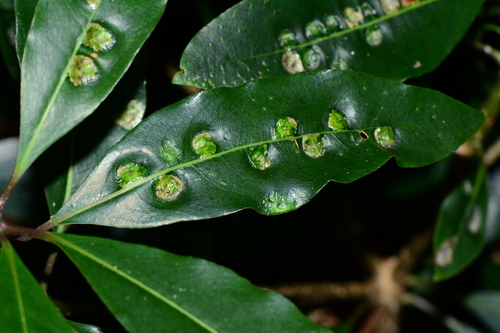
Phytoliriomyza pittosporophylli (Hering, 1962) shares multiple physical traits with the closely similar species P. pittosporocaulis: both have a pale frons, a roughly semicircular lunule, reclinate orbital setulae, a black scutellum, pale halteres, and dorso-central bristles arranged in a 3+1 pattern. P. pittosporophylli can be told apart from P. pittosporocaulis by its entirely black third antennal segment. The larva of P. pittosporophylli has 8 to 10 bulbs in each posterior spiracle, while P. pittosporocaulis larvae only have 4 to 6 bulbs in this structure. Full formal descriptions of the adult, larva, and the gall formed by the larva of this species were originally published by Hering. In terms of ecology, larvae of P. pittosporophylli develop inside circular leaf galls that form on sweet pittosporum, Pittosporum undulatum. These galls most often develop near the leaf midrib, but may also appear in other locations on the leaf.