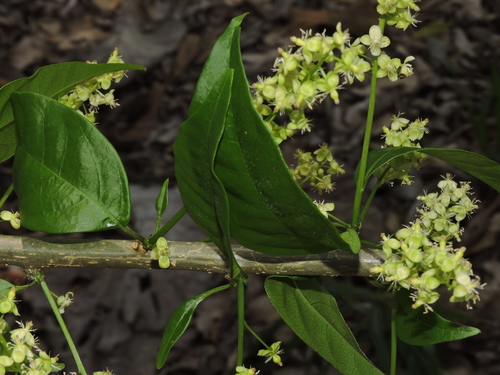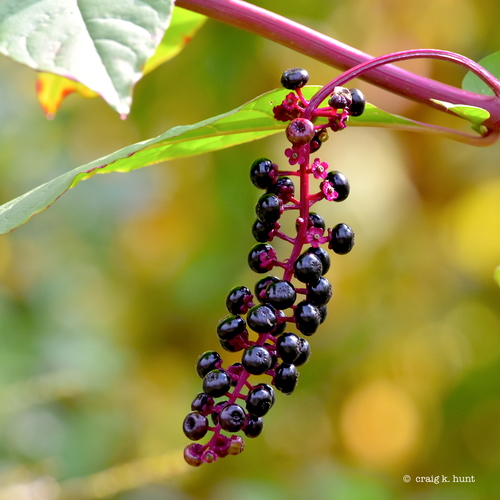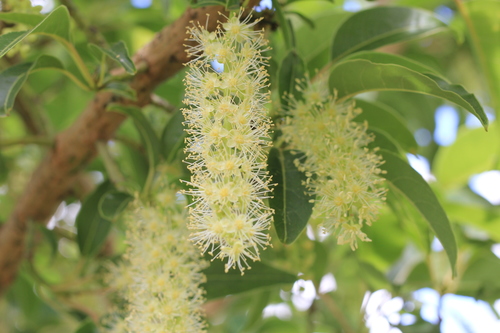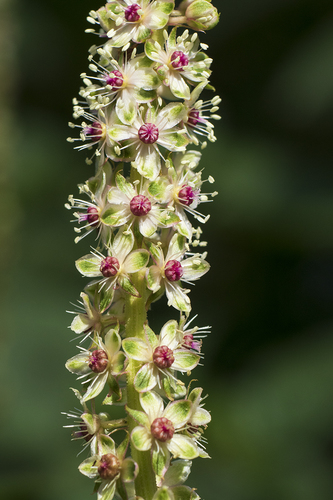
About Phytolacca acinosa Roxb.
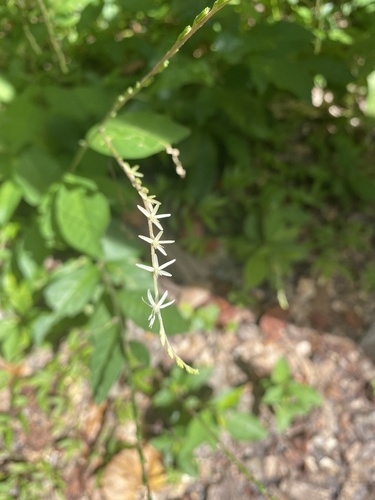
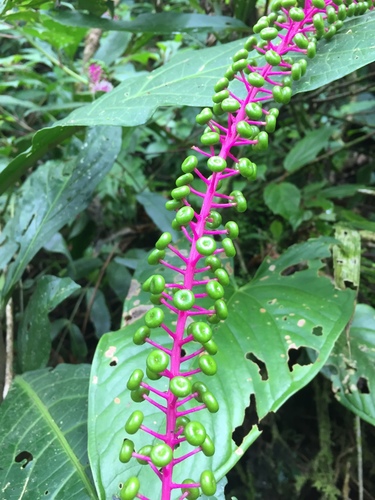
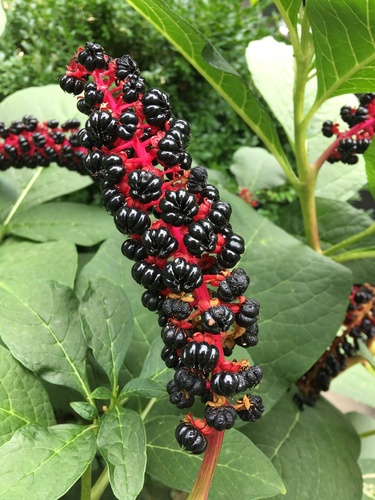
For Phytolacca acinosa Roxb., profuse raphides are present in at least the leaves, young flowers, buds, spikes, and bracts of Phytolacca acinosa var. venosa. When the species was first formally described, it was thought to grow only in Nepal. Currently, it is recognized as native to countries surrounding the Himalayas, and has been introduced to large areas of Europe and parts of Wisconsin in the United States. Indian pokeweed (the common name of this species) is a hyperaccumulator of manganese. All parts of the plant are toxic to humans and mammals, and there are confirmed cases of poisoning from the plant. Its toxicity comes from the presence of saponins and the alkaloids phytolaccatoxin and phytolaccagenin. As a wild food, the Gurung people of western Nepal harvest the young shoots of Indian pokeweed in June and July, then cook and eat them. In traditional practices, it is used in traditional Indian and Chinese medicine to treat a variety of ailments and to induce abortion.