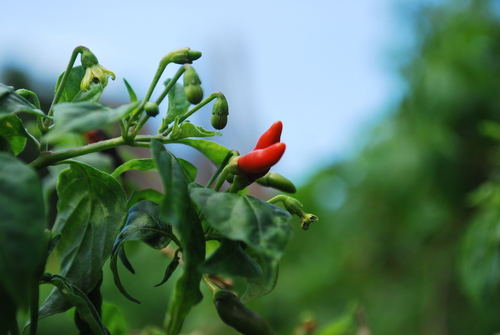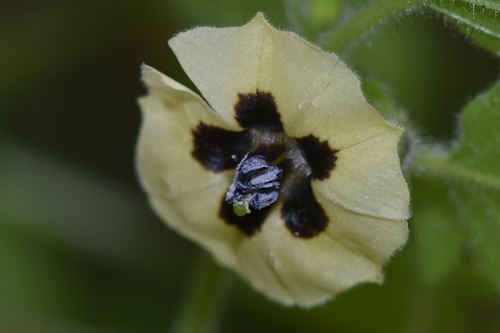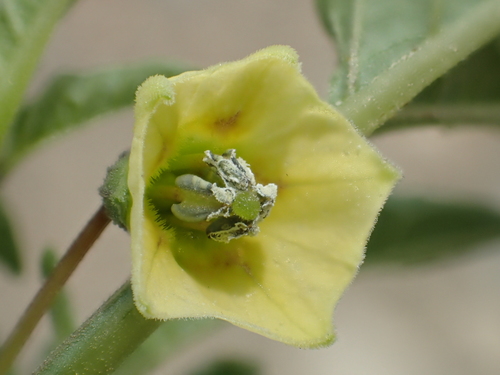
About Physalis L.
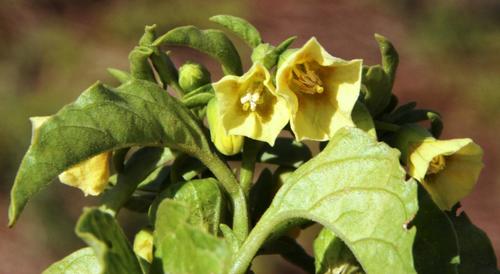
Physalis angulata is an erect, herbaceous annual plant in the nightshade family Solanaceae. Its leaves are dark green, roughly ovate, and often have serrate margins. Its flowers are five-sided and pale yellow, while its yellow-orange fruits grow enclosed inside a balloon-like calyx. The exact native range of this species is uncertain; it may be naturally endemic to Australia, endemic to the Americas, or its native range may cover both regions. Today, it is widely distributed and naturalized across tropical and subtropical regions worldwide. This plant produces edible fruit that can be eaten raw, cooked, made into jam, and prepared in other ways. All other parts of the plant are poisonous, however. Members of the Toba-Pilagá ethnic group of Gran Chaco traditionally eat the ripe fruits of this plant raw. Unripe raw fruits, flowers, leaves, and stems of Physalis angulata contain solanine and solanidine alkaloids, which can cause poisoning if ingested by humans, cattle, or horses.