About Phylloscopus bonelli (Vieillot, 1819)
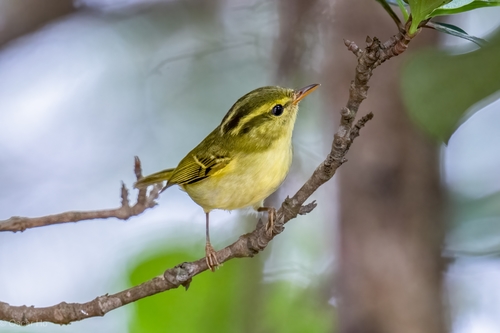
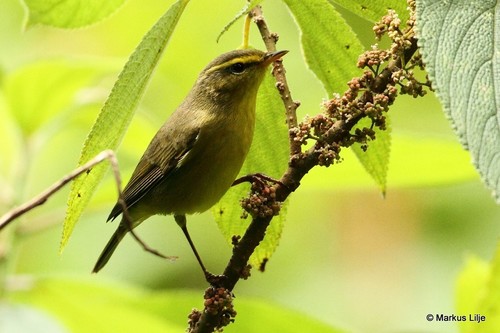
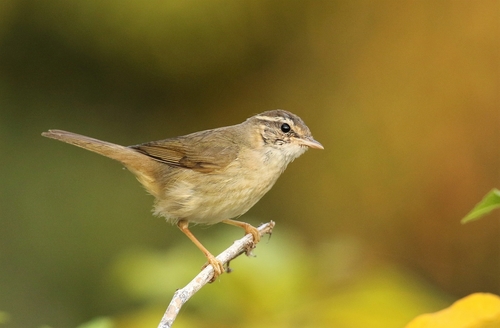
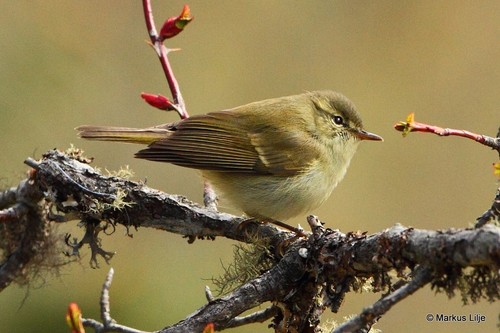
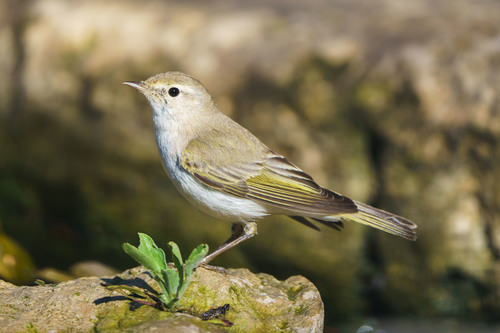
Western Bonelli's warbler (scientific name Phylloscopus bonelli (Vieillot, 1819)) is a small passerine bird that inhabits forest and woodland areas. This species is insectivorous, like most warblers. Adult western Bonelli's warblers have a plain grey-green back, green-toned rump and wings, and whitish underparts. They have a small pointed bill and brown legs. As with most warblers, the sexes are identical in appearance. Compared to eastern Bonelli's warblers, western Bonelli's warblers have a browner tinge to their upperparts; eastern Bonelli's warblers sometimes have a greenish tinge to the upperparts instead. The song of the western Bonelli's warbler is a fast monotone trill. It is only slightly different from the song of the eastern Bonelli's warbler, and also shares some similarity with the song of the wood warbler. The call of the western Bonelli's warbler is a disyllabic hu-it. This differs from the call of the eastern Bonelli's warbler, which is a hard chup that resembles the calls of a crossbill or house sparrow. For breeding, western Bonelli's warblers build nests on the ground. Original sources note conflicting clutch sizes, stating both that four to six eggs are laid, and that clutches contain 3 to 5 eggs. The eggs are white with reddish-brown markings. Incubation lasts around 14 days, and the chicks fledge 10 to 14 days after hatching. Cuckoo brood parasitism and nest predation are major threats to the breeding success of this species.