About Philaenus spumarius (Linnaeus, 1758)
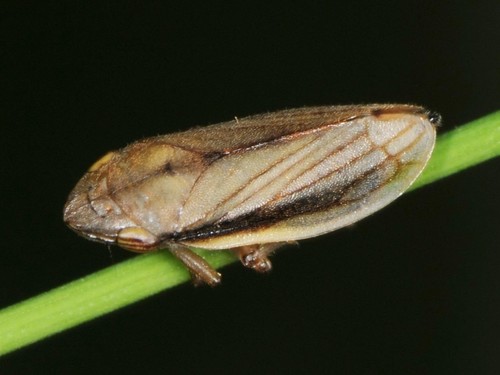
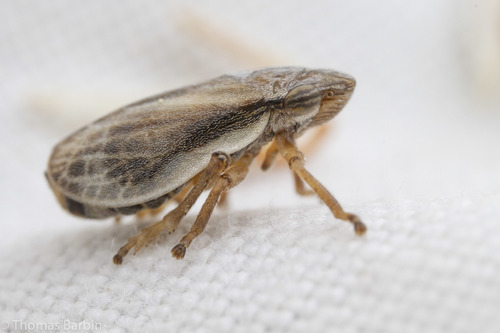
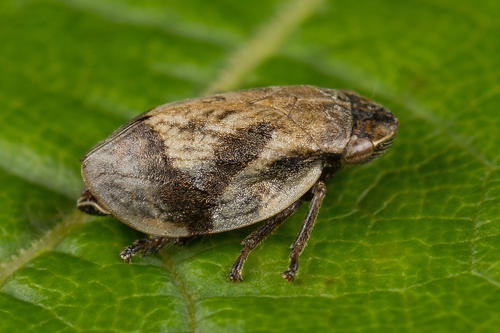
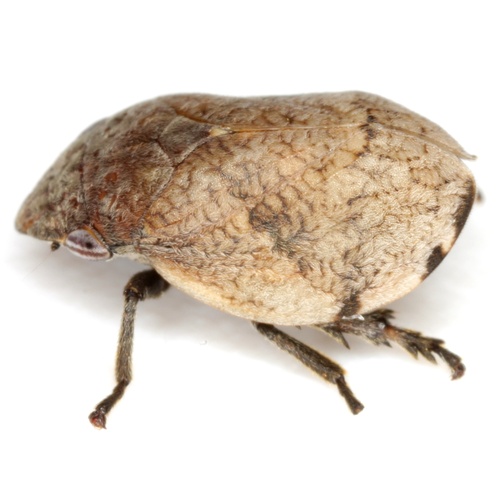
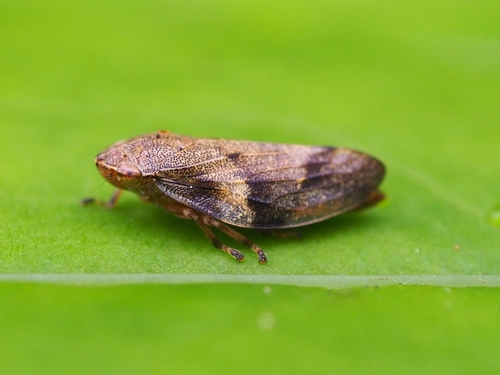
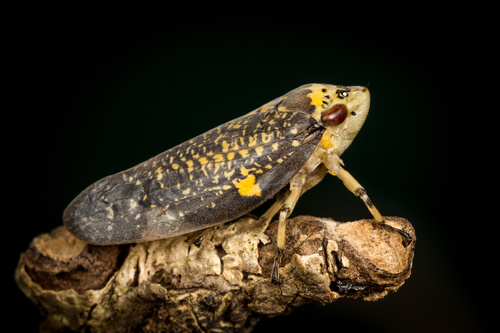
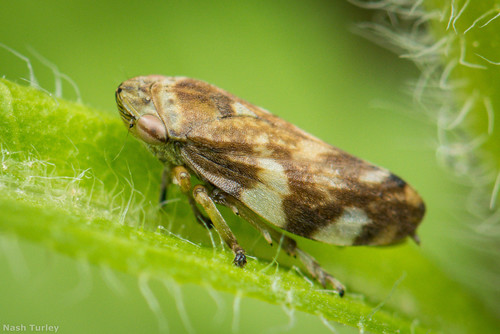
Identification: Adults of Philaenus spumarius reach a body length of 5–7 millimetres (0.20–0.28 in), with most females being slightly larger than males. This is a polymorphic species, with extremely variable body coloration—around 20 different color varieties have been recorded. Most individuals are yellowish, brownish, or black, with brighter patches on a dark background, though dark markings on a lighter background also occur.
Distribution: Philaenus spumarius is a common and very widespread species. Its original native range is limited to the Palearctic realm, where it occurs across most of Europe, North Africa, parts of Russia, Afghanistan, and Japan. It has also been introduced to North America. It is a highly eurytopic species, meaning it can tolerate a wide range of environmental factors and live in many different habitats, including parks, meadows, and gardens. It occurs in nearly all open land habitats and open forests, and is only absent from extremely wet and extremely dry habitats.
Life cycle: Due to the wide range of climates the species can tolerate, the seasonal phenology of its life cycle varies across its range, though the overall pattern remains similar. In temperate climates, females lay eggs at the end of summer. Eggs are laid either singly or in groups ranging from 1 to 30 eggs, with an average of 7 per group, on the larval food plants. A single female can produce a total of 350–400 eggs. Eggs are the species' overwintering or survival stage during unfavorable climatic periods. Eggs measure approximately 1 mm long and 0.3 mm wide; they are white with an orange spot that becomes darker and larger if the egg is fertilized.
Larvae (also called nymphs) hatch after around 20 days, and develop through five growth stages called instars. Larvae are well known for the self-generated foam masses they create, which can be seen in spring in meadows, especially on cuckoo flowers (Cardamine pratensis) and broom (Genista) species. The foam mass protects larvae from predators, and maintains the moisture and temperature conditions they need for development, so larval mortality stays low even during bad weather. The larval stage lasts around 50 days. Adults only leave the foam mass once it is completely dried, a process that takes about ten days. Females mate shortly after emerging.
Philaenus spumarius is polyphagous, with low host plant specificity, so it can feed on a wide variety of plants. Its main hosts include grasses (Poaceae species), rushes (Juncaceae species), and herbs, and it sometimes feeds on trees, including olive trees. On olive trees, this species is known to spread Xylella fastidiosa, the bacterium that causes Olive quick decline syndrome. It has been recorded feeding on over 170 different host plant species.