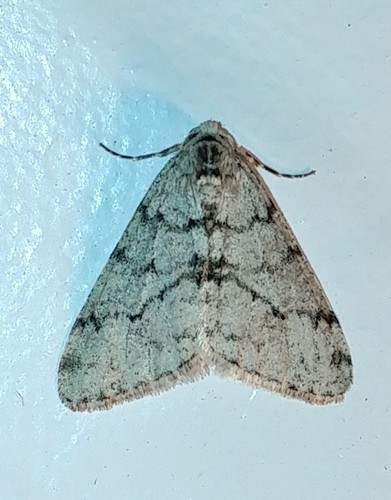
About Phigalia strigataria Minot, 1869
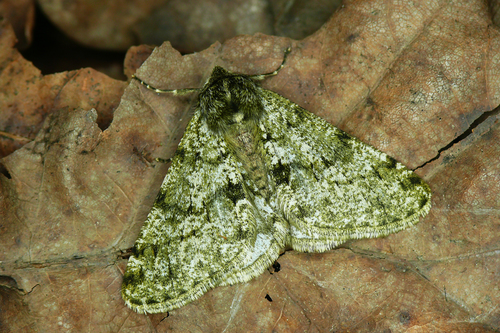
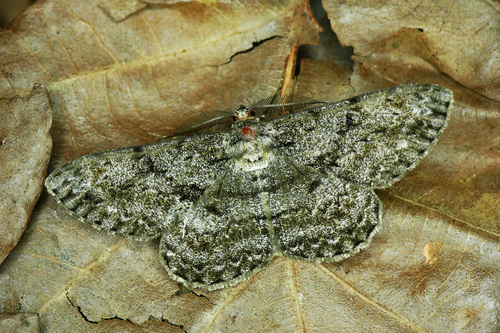
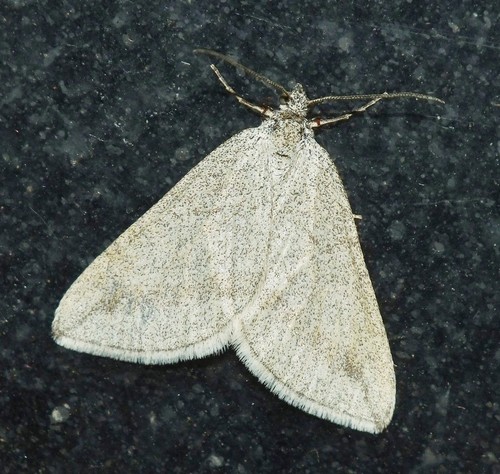
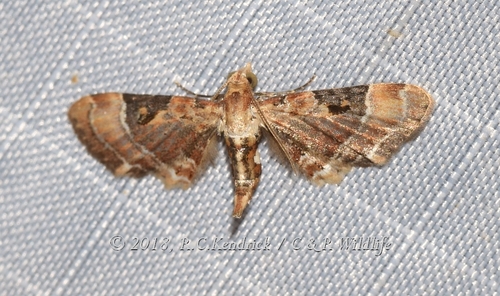
Phigalia strigataria Minot, 1869 (also known by the synonym Apocheima strigataria, common name small phigalia moth), is a moth species in the family Geometridae. It was first described by Charles Sedgwick Minot in 1869. This species is found in North America, with recorded ranges from North Dakota to Texas, and extending further east of this area. It inhabits woodland and forest habitats. For male individuals, forewing length measures 14 to 18 mm. Females are flightless, and have reduced wings. In the southern part of its range, adults are active on the wing starting in January. In the northern part of its range, adults are active from March to May. Larvae of this species feed on a wide variety of host plants: Juglans nigra, Carya ovata, Carya tomentosa, Carya glabra, Betula lenta, Corylus americana, Quercus alba, Quercus prinus, Quercus stellata, Quercus rubra, Quercus coccinea, Quercus velutina, Ulmus rubra, Celtis occidentalis, Hamamelis virginiana, Crataegus, Amelanchier canadensis, Amelanchier grandiflora, Malus sylvestris, Malus coronaria, Rubus, Prunus serotina, Cercis canadensis, Acer negundo, Acer saccharum, Acer rubrum, Acer pensylvaticum, Tilia americana, Parthenocissus quinquefolia, Nyssa sylvatica, Cornus florida, and Vaccinium angustifolium.