About Phellinus igniarius (L.) Quél.
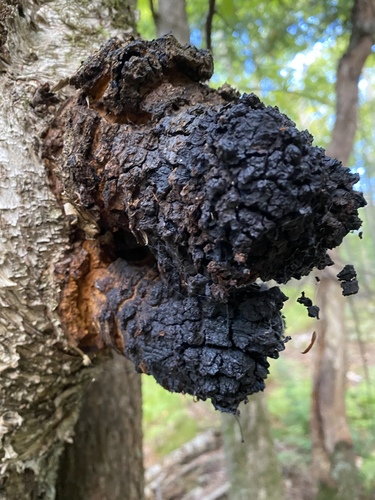
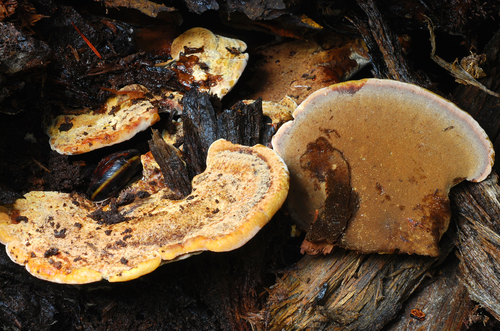
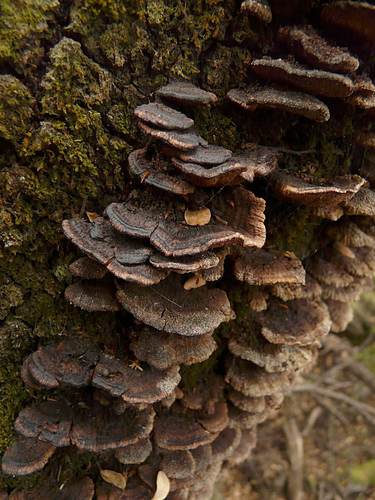
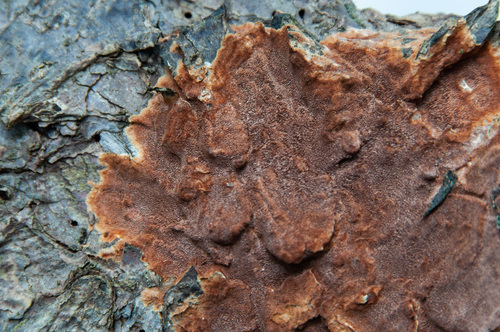
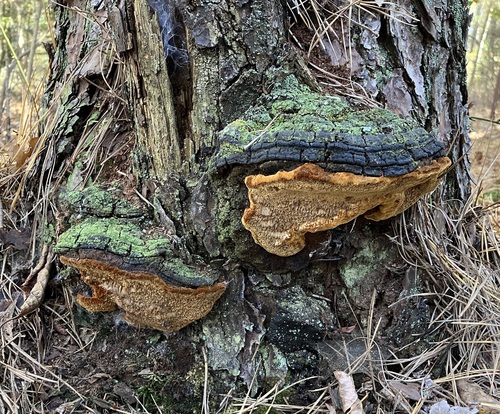
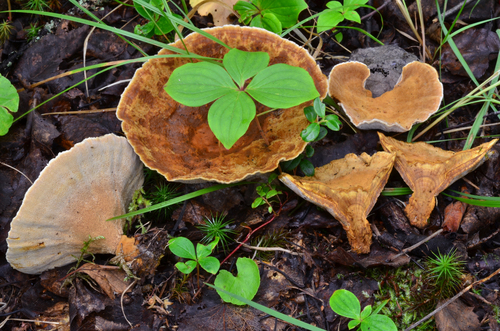
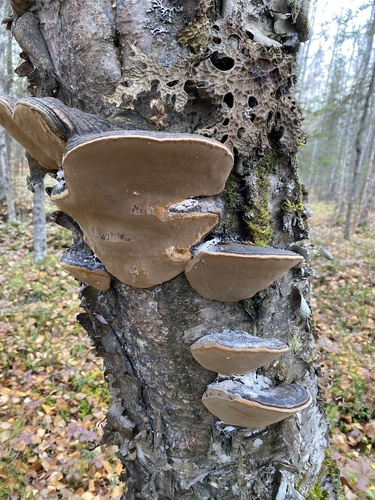
The fruit body (bracket/conk) of Phellinus igniarius typically measures 5–20 centimetres (2–8 in) across, and can reach 40 cm wide in rare cases. It is usually 2–12 cm (1–4+1⁄2 in) thick, reaching up to 20 cm thick in exceptional specimens. This fungus produces one of the longest persisting fungal fruit bodies, which can have up to eighty annual growth rings. The fungus has small grayish brown pores, with approximately 4–6 pores per square millimetre. Its pore tubes are about 2–7 mm (1⁄8–1⁄4 in) long. Each year, the fungus grows a new layer of tubes that sits on top of older existing layers. Unreleased old spores are often sealed in when later growth clogs the older tubes, and these old spores appear as brown spots when the conk is cut in cross section. The brown flesh is typically 10–20 cm (4–8 in) thick; it hardens as it ages and dries, and becomes softer when exposed to humidity. The fruit body has a distinct mushroom scent, and its flesh has a bitter flavor. When flesh is exposed to potassium hydroxide, it turns black. Spore deposits produced by the fungus are whitish. Phellinus igniarius is a polypore, meaning it produces basidiospores in pores located on the underside of its fruit body. This fungus causes white rot that decays living tree wood. Woodpeckers prefer to excavate nesting chambers at locations where this fungus grows, because the rot softens and weakens the surrounding wood. Phellinus igniarius is considered inedible, due to its tough, wood-like texture. There is limited evidence indicating it may have potential medicinal applications: a 2014 mouse study found that an extract from its fruit body may have high therapeutic potential for slowing the progression of multiple sclerosis. Historically, the fungus was valued for use as kindling. In Alaska, local people burn the fungus, and mix the resulting ash (called punk ash) into chewing tobacco to boost the effects of nicotine.