About Phaseolus acutifolius A.Gray
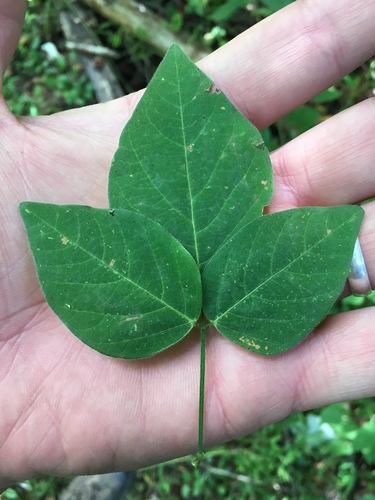
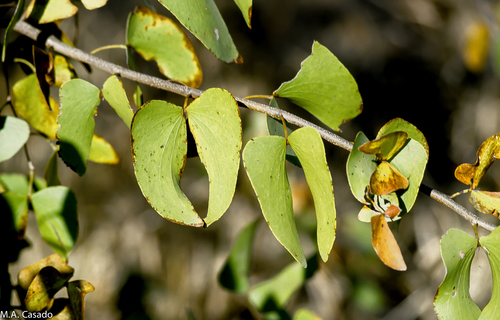
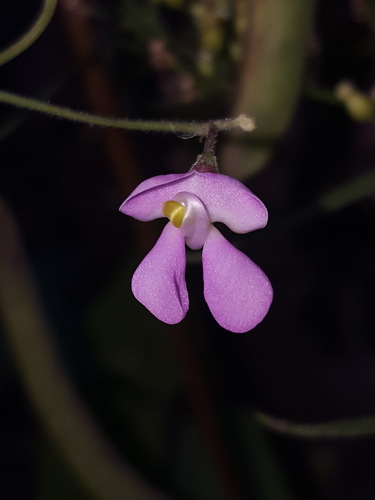
The tepary bean, scientifically named Phaseolus acutifolius A.Gray, is an annual plant that can grow as a climbing, trailing, or erect form, with stems reaching up to 4 meters (13 feet) in length. Its specific epithet, acutifolius, comes from the Latin words acutus, meaning pointed or acute, and -folius, meaning -leaved. Two varieties are recognized: variety tenuifolius with narrow leaves, and variety latifolius with broader leaves; all domesticated varieties are descended from latifolius. Observations of a limited number of wild tepary bean specimens show that flowering aligns with summer rains, first beginning in late August, and pods ripen early in the fall dry season, with most ripening in October. The beans themselves can be almost any color, and there are many local landraces. While bean size varies, they are typically small, and mature 60 to 120 days after planting. This native bean has several alternative common names: Pawi, Pavi, Tepari, Escomite, Yori mui, Yorimuni and Yori muni. The name tepary likely comes from the Tohono O'odham phrase tʼpawi, which translates to "It's a bean". In the 17th century, a name for a small bean was recorded as tépar (accusative case, tépari) in the now extinct Eudeve language of northern Mexico. Common names that include the word yori generally refer to non-native bean species, as the word means "non-Indian person's bean". For medical uses, research conducted in the United States and Mexico indicates that lectin toxins and other compounds from tepary beans may have potential use in cancer chemotherapy, but additional research is required to confirm this.