About Petroica macrocephala (Gmelin, 1789)
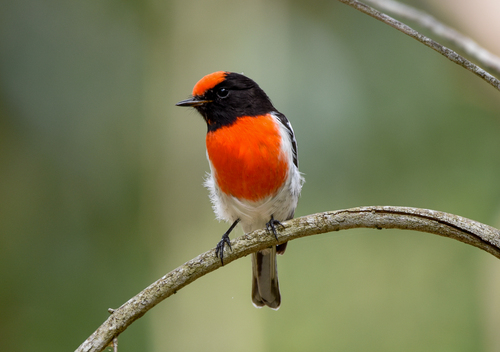
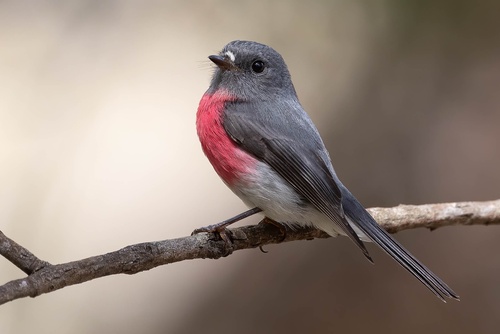
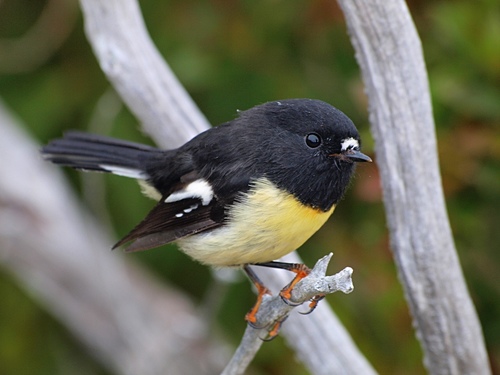
The tomtit (scientific name Petroica macrocephala (Gmelin, 1789)) is a small bird, measuring 13 cm long and weighing around 11 g for mainland populations. It has a characteristic large head and a short bill. Plumage coloration varies by subspecies and sex. Male tomtits of the North Island subspecies have black heads, backs, and wings with a white wing-bar, and a white belly. Subspecies from the South Island, Chatham Islands, and Auckland Islands share this pattern, but have an additional yellow band across the breast between the black head and white belly. Females of these subspecies are brown all over instead of black. The Snares Island subspecies is entirely black, and is commonly called the black tit. Island subspecies of tomtits display a notable difference in body size: they are considerably larger than their mainland relatives. This size trend is called Foster's rule, also known as the island effect. Main island tomtits weigh around 11 g, while Snares Island tomtits weigh approximately 20 g. The tomtit is mostly insectivorous. It feeds on small invertebrates including beetles, caterpillars, spiders, moths, wētā, earthworms, and flies. It also eats fruit during winter and autumn. Most subspecies hunt for food in vegetation, waiting on a perch to watch for prey, and also glean insects from branches and leaves. The Snares Island subspecies additionally feeds on the ground, in a similar manner to North Island and South Island robins.