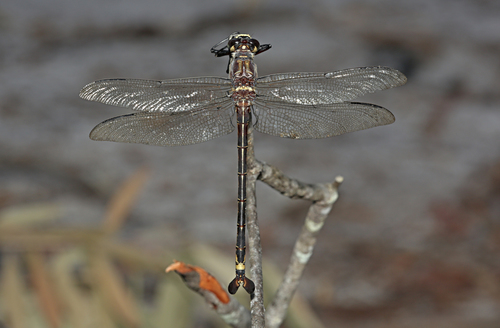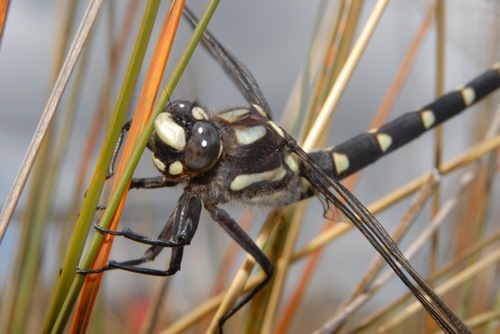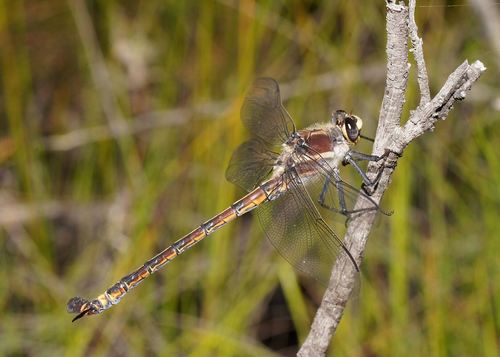
About Petalura gigantea Leach, 1815
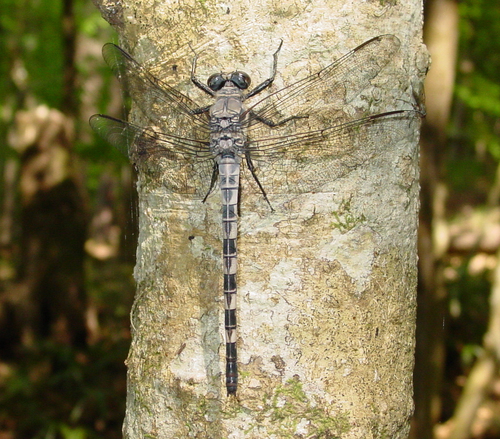
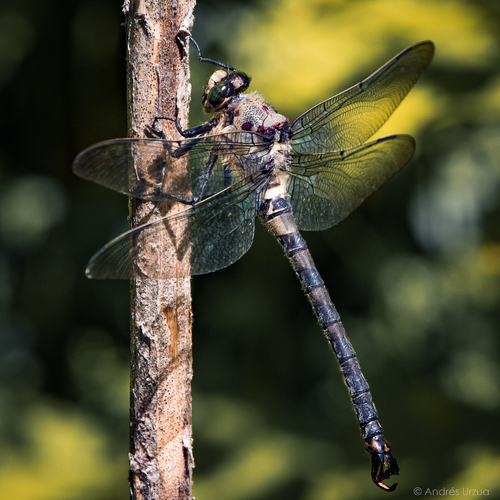
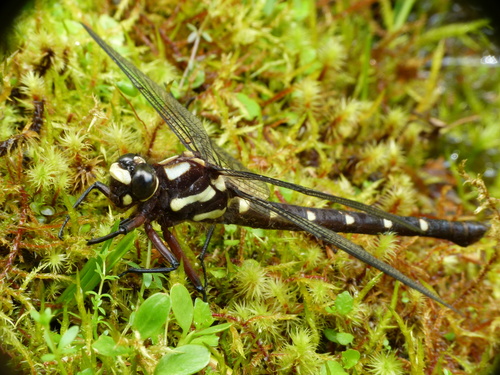
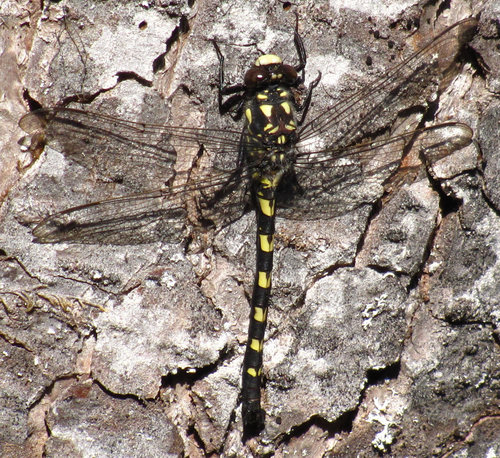
Petalura gigantea, commonly known as the giant dragonfly or south-eastern petaltail, is a dragonfly species belonging to the family Petaluridae, native to southeastern Australia. Males have a body length of 6–7.5 cm (2.4–3.0 in) and a maximum wingspan of 11 cm (4.3 in). Females are larger, with a body length of 8–9 cm (3.1–3.5 in) and a maximum wingspan of 12.5 cm (4.9 in). This makes Petalura gigantea an extremely large dragonfly species, though it is outperformed in size by a small number of other species, including its close relative, the northeast Australian giant petaltail (P. ingentissima). The giant dragonfly is found along the east coast of New South Wales, ranging from the northern part of the state to the border region with Victoria; it does not occur west of the Great Dividing Range. Confirmed populations are recorded in the Blue Mountains, Southern Highlands, Clarence River catchment, and on several coastal swamps stretching from north of Grafton to Nadgee in the south. The giant dragonfly is classified as endangered under New South Wales threatened species legislation. This endangered listing was moved to the corresponding schedules of the Biodiversity Conservation Act 2016 (NSW) in August 2017. Beyond its unusual large size, the giant dragonfly is also distinct because its larval stage follows predominantly terrestrial habits. Mating typically occurs while the dragonfly rests on sedges or shrubs, and mating activity almost always takes place within a wetland or peat-based ecosystem; peat is an accumulation of decayed vegetation and other organic matter.