About Persicaria amphibia (L.) Gray
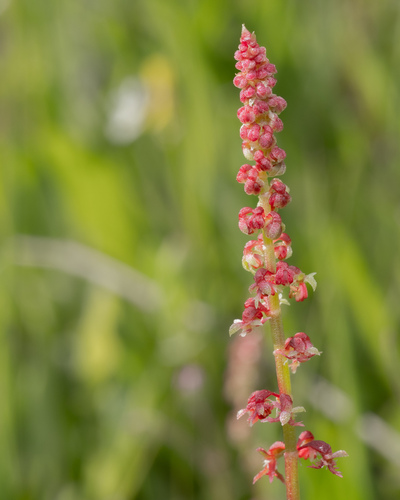
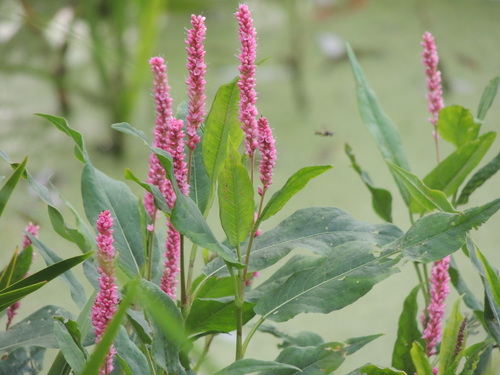
Persicaria amphibia is a variable, morphologically diverse rhizomatous perennial herb. It grows a thick stem from its rhizome; the stem may creep, float, or grow erect, and roots develop at stem nodes that touch moist substrate. In aquatic individuals, stems can reach up to 3 meters (10 feet) long. Stems are ribbed, and their texture ranges from hairless to quite hairy. Leaves are lance-shaped or various other shapes, borne on petioles, and can grow over 30 centimeters (1 foot) in length. The inflorescence is a dense terminal cluster of many five-lobed pink flowers. Plants can bear bisexual or unisexual flowers, and some individuals produce only male or only female flowers. The fruit is a shiny brown rounded achene approximately 3 mm (0.12 in) long. This species is native to a large range across the northern hemisphere, including Europe, Asia, North America, and parts of Africa. It has been introduced to other regions, such as South America and additional parts of Africa. It grows in many types of wet habitat, including ponds, streams, and marshes. It can grow as an aquatic plant, living submerged or floating in water bodies; it can also grow in muddy, wet areas that are periodically inundated, or in moist terrestrial spots like meadows. Dry-land and fully aquatic individuals are sometimes classified as different named varieties of the species. Several Native American groups used various parts of this plant as medicinal remedies, and sometimes as food.