About Perna canaliculus (Gmelin, 1791)
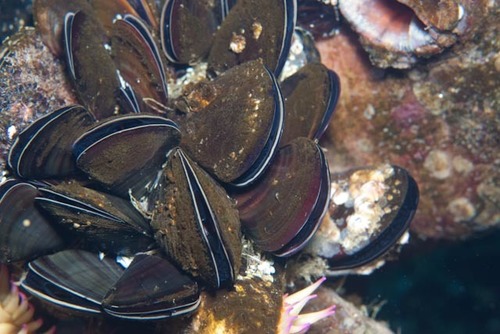
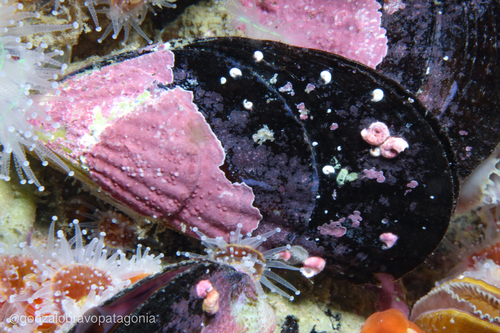
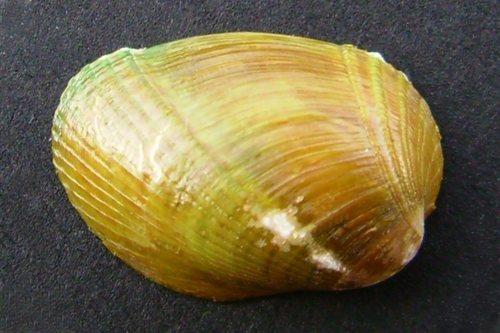
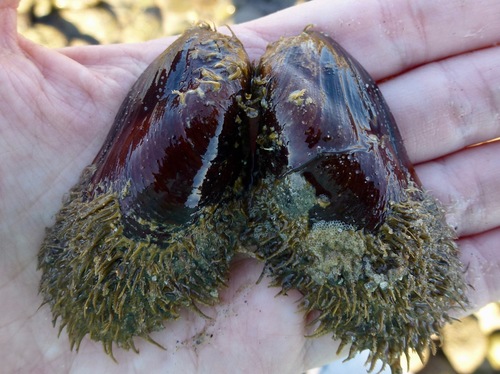
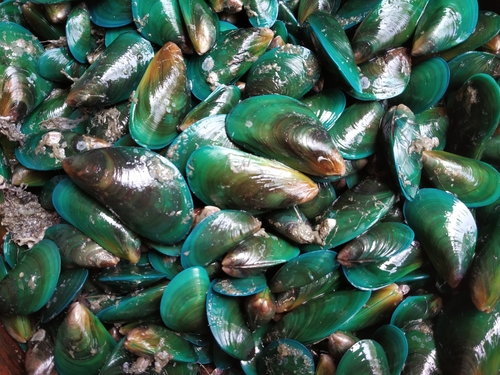
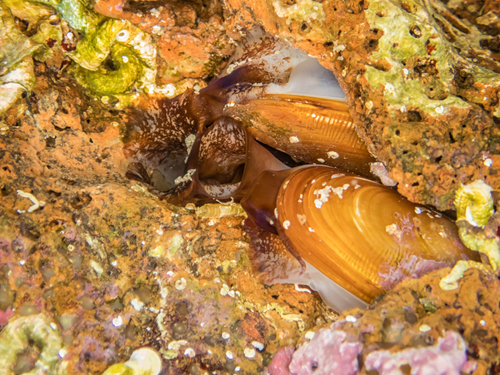
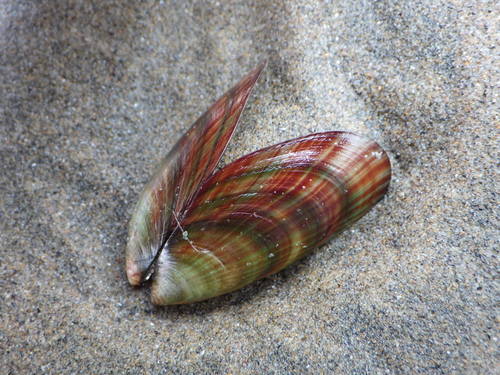
This shellfish, scientifically named Perna canaliculus, is economically important to New Zealand. It can be distinguished from other mussel species by its dark brown to green shells with green lips around the edges, and it has only one adductor muscle. It is also among the largest mussel species, growing up to 240 millimetres (9 inches) in length. Perna canaliculus is found around all of New Zealand's mainland. It typically lives below the intertidal zone, though it can also occur within the intertidal zone. It feeds on various types of phytoplankton. Perna canaliculus inhibits the 5-lipoxygenase pathway, which is responsible for forming leukotrienes. Many products from this pathway have properties that support inflammation. A 2006 systematic review of scientific research on green-lipped mussel supplementation found "little consistent and compelling evidence" of any benefit for rheumatoid arthritis or osteoarthritis. However, later placebo-controlled trials have indicated that green-lipped mussels show promise as an alternative therapy for joint problems. Another study on dogs found that a diet rich in green-lipped mussels improved pain and functioning in dogs with osteoarthritis. A lipid extract from this shellfish is sold under the brand name Lyprinol. A 2011 literature review found weak evidence that Lyprinol has anti-inflammatory effects similar to fish oil, but noted that clinical trials completed to that point had been limited. In 2000, two companies were successfully prosecuted and fined in New Zealand for making unproven medicinal claims about Lyprinol, including the false claim that it could cure cancer. TVNZ was also found to have breached broadcasting standards by publishing these claims in a news story.