About Periplaneta japonica Karny, 1908
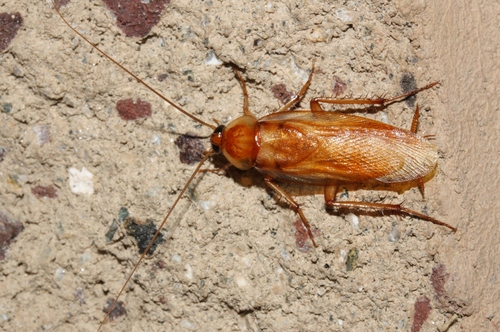
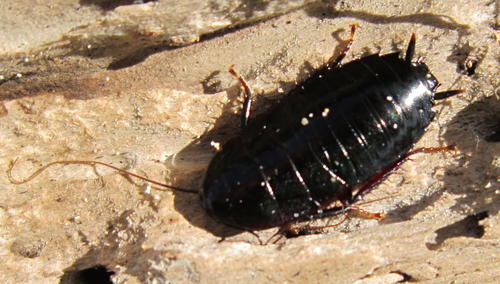
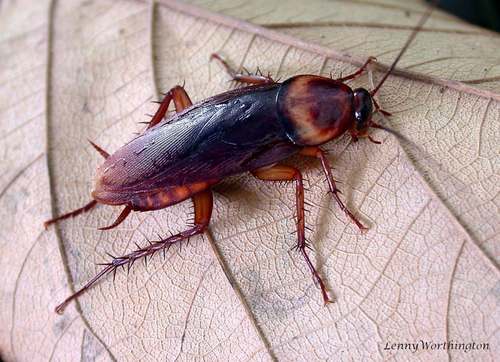
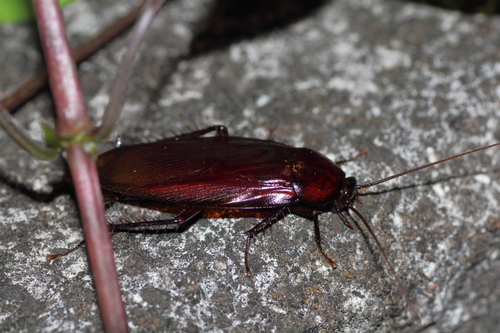
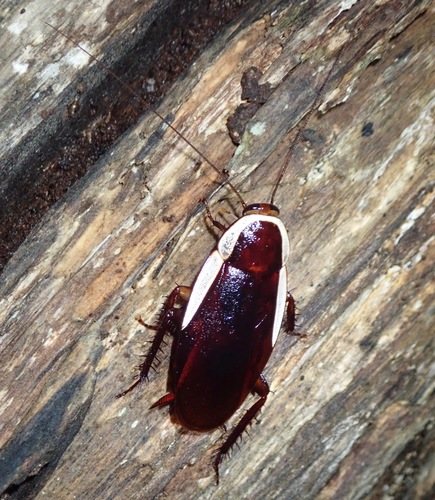
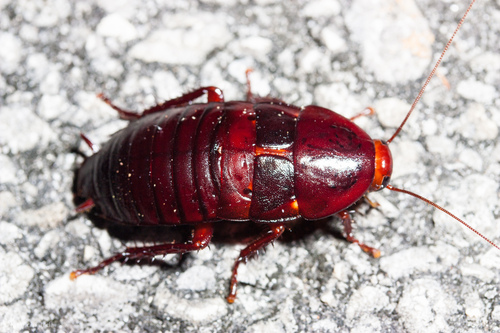
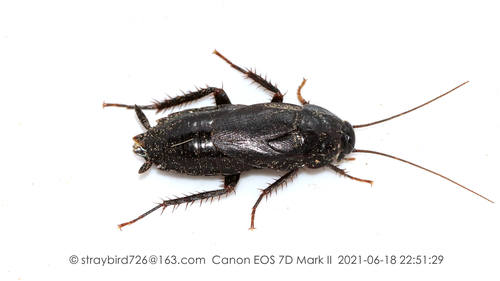
Periplaneta japonica Karny, 1908 (originally misidentified as C. japonica in the chemical description section) can be described as follows. Initial first-instar nymphs are dark brown, with white or brownish white tips on their maxillary and labial palps. Adult Periplaneta japonica measure 25–35 millimetres (2+1⁄2–3+1⁄2 cm) in length. They have a shiny, uniformly black to blackish-brown body, with brown tarsi, maxillary palps, and labial palps. The wings of adult males extend slightly beyond the length of the body, while the wings of adult females reach around half the body length. Unlike most cockroach species, the major hydrocarbon found in the cuticular lipids of Periplaneta japonica is cis-9-nonacosene. Males of this species contain significant amounts of cis-9-heptacosene, a compound that is not present on Periplaneta japonica females. Both males and females of V. australasiae and V. fuliginosa do have cis-9-heptacosene. Glucose, myo-inositol, scyllo-inositol, and trehalose have all been found in overwintering Periplaneta japonica nymphs, and these compounds are thought to contribute to the nymphs' freeze tolerance. This species is primarily an outdoor-dwelling cockroach, but established populations can adapt to living indoors in houses and buildings where food is stored, prepared, or served.