About Periparus ater (Linnaeus, 1758)
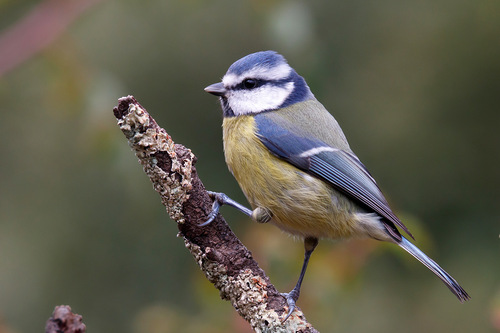
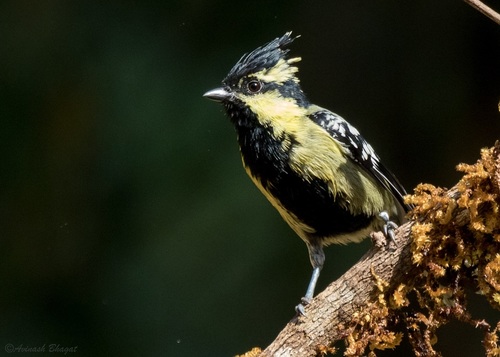
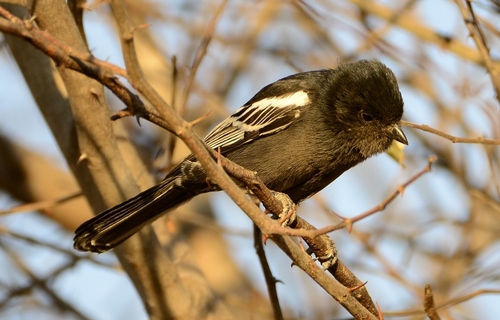
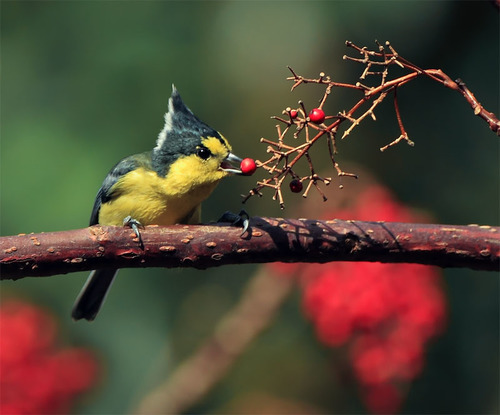
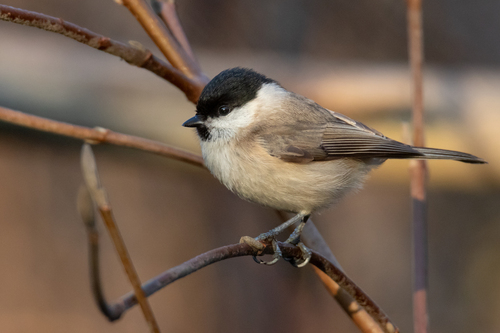
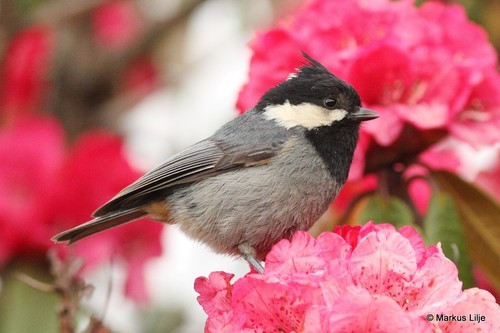
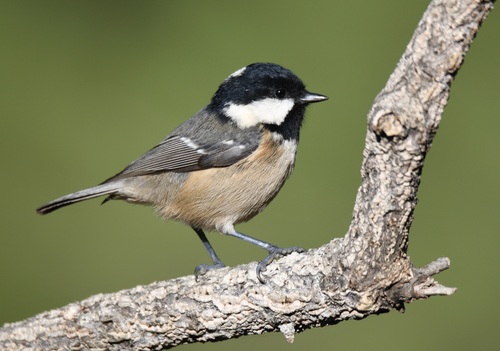
The coal tit (Periparus ater) measures 10–11.5 cm in length, with a distinctive large white nape spot on its black head. For adults, the head, throat, and neck are glossy blue-black, contrasting with off-white face sides that take on a grey or yellow tinge depending on the subspecies. Along with its bright white nape, the white tips of its wing coverts form two visible wingbars. Its underparts are whitish, fading from buff to rufous on the flanks. The bill is black, legs are lead-coloured, and irides are dark brown. Juveniles have duller plumage than adults; they lack adults' glossy black heads, and their white nape and cheeks have a yellow tinge. When foraging, flocks of coal tits stay in contact using constant short dee or see-see calls. The species' song, if classified as a song, is a strident if-he, if-he, if-he pattern, heard most often from January to June, though it also occurs in autumn. It resembles the song of the great tit, but is much faster and higher in pitch, with one song variant ending in a sharp ichi. Birds native to North Africa also produce a currr call similar to that of the crested tit (Lophophanes cristatus), a species that does not occur in Africa. The coal tit is typically found in temperate humid conifer forest, but otherwise shows little habitat specificity. In Bhutan, for example, it is a fairly common resident above the subtropical zone, at altitudes around 3,000–3,800 m above sea level, where it occurs in forests dominated by Bhutan fir (Abies densa), as well as forests characterized by Himalayan hemlock (Tsuga dumosa) and rhododendrons. Coal tits are year-round residents across most of their range, only making local movements in response to especially severe weather. Only Siberian populations migrate more regularly, and vagrants may occasionally travel longer distances. For example, the nominate continental European subspecies was recorded in Ireland twice: once in 1960 and once before that, with no records since. In winter, coal tits form small mixed flocks with other tit species. Like other tits, this species is acrobatic and constantly active, but it perches on tree trunks more often than other tits, and its small hops make it resemble a treecreeper (Certhia). Its diet is similar to that of other tits; it particularly favours beechmast, and extracts seeds from fir (Abies) and larch (Larix) cones. It also forages alongside Carduelis redpolls and siskins in alders (Alnus) and birches (Betula). It will additionally visit gardens to feed on a range of foods, most notably sunflower seeds. Laboratory studies have found that coal tits with a negative energy budget prefer to forage at variable feeding sites. They increase their evening body mass in response to calls from tawny owls. After dawn, coal tits gain body mass as quickly as possible when food is available at a low rate, gaining mass exponentially until an inflection point after which mass increase slows. This inflection point in body mass trajectory is delayed by 16.7% compared to the timeline when food availability is high. Subordinate coal tits are excluded from feeding sites by dominant individuals more often in the early morning than at other times of day, and subordinates have more variability in both daily mass gain and dawn body mass than dominant coal tits. In winter, coal tits' red blood cells have been found to contain more mitochondria, which consume oxygen to produce heat. Because the coal tit is common and widespread, the IUCN does not consider it a threatened species. The species holds an unenviable record: one coal tit nest has been recorded hosting 5,754 bird fleas (Ceratophyllus gallinae), the largest number ever reported from a single nest.