About Pelargonium zonale (L.) L'Hér.
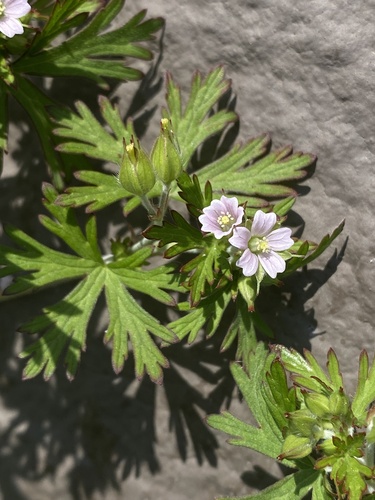
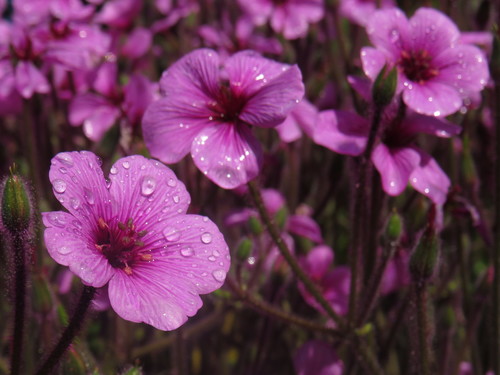
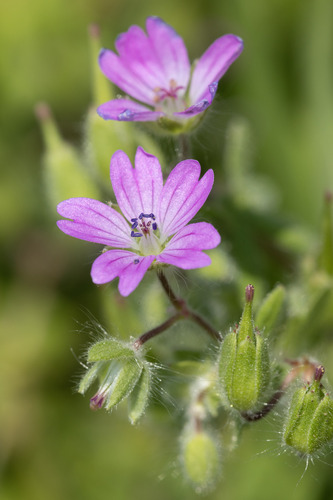
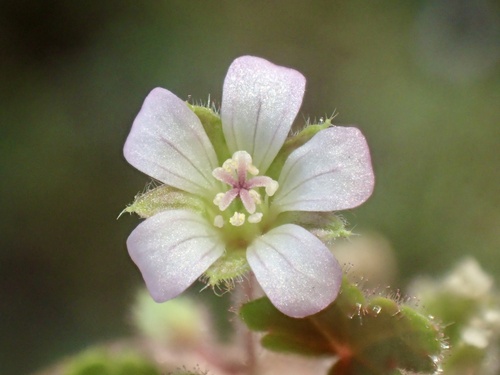
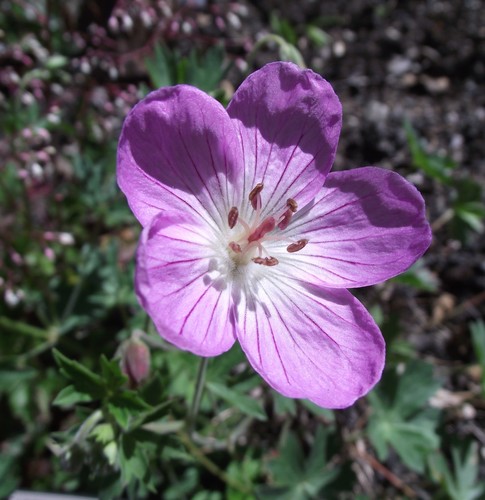
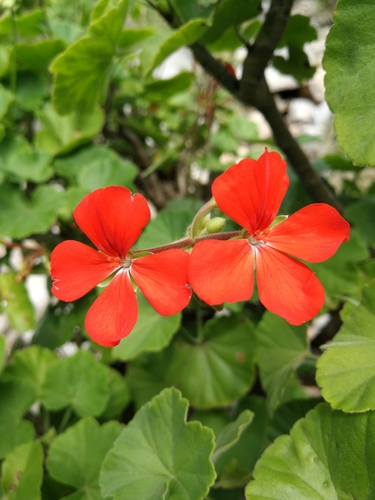
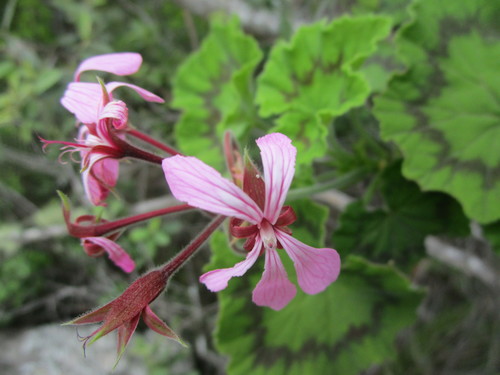
Pelargonium zonale (L.) L'Hér. is an upright or scrambling shrub that normally grows to about 1 m (3 ft) in height. Its stems are succulent, hairy when young, and become woody as they age. The leaves are reniform, petiolate, and have an average diameter of 5–8 cm (2–3 in). They often bear a narrow, dark, zigzag "zone" of pigmentation, which gives the species both its scientific name and its common name. Flowers are produced in an umbel; individual flowers are distinctly zygomorphic. The petals are narrow, bright deep pink, and have reddish lines running along their length. In the 16th century, seeds of this pelargonium were transported from Africa to Leiden in the Netherlands, where the plant was grown in the city's botanical garden. Within a few years, it spread to the British Isles, France, Italy and Spain and became popular. It later gradually reached the islands of the Caribbean, and by the 17th century it was already known in North America. Today it is naturalized in many subtropical and tropical countries, and in colder regions it must be grown indoors. Plants of this species can be propagated from seeds or vegetatively. Its hard-coated seeds germinate within 14 days at around 20 °C once the seed coat has been compromised. Micropropagation has been used commercially for this species since the 20th century. In temperate climate zones, plants are set out in gardens in spring. They can be dug up before the first freeze, brought indoors to overwinter, and re-planted the following spring.