About Parnassia palustris L.
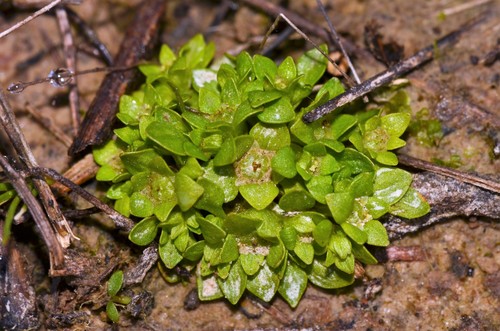
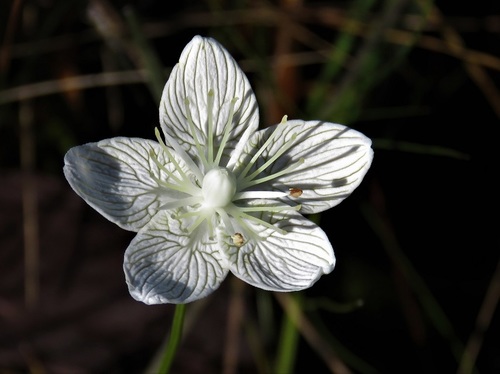
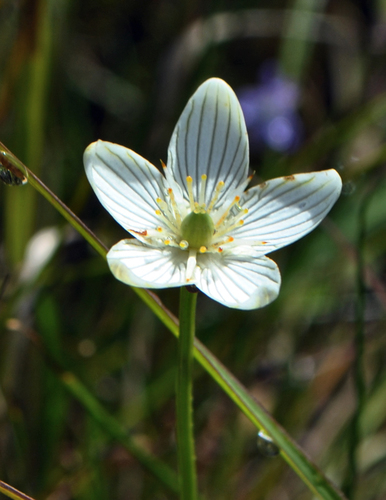
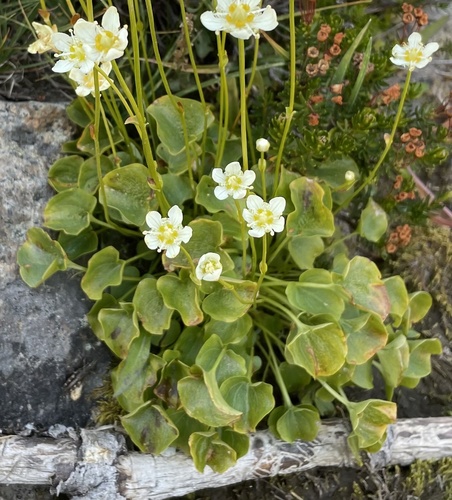
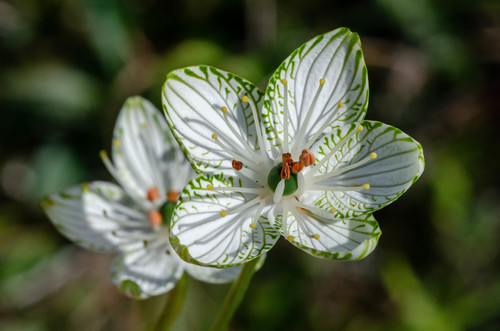
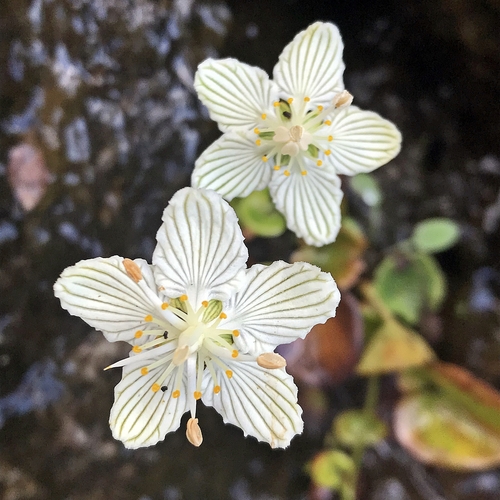
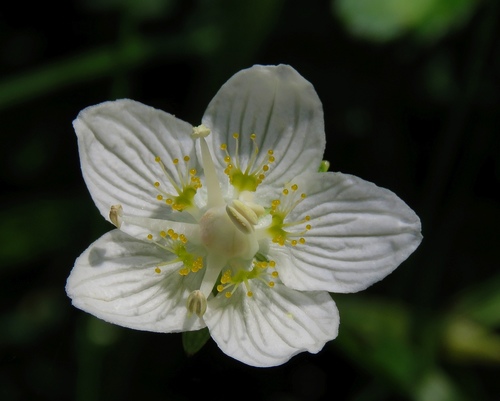
Parnassia palustris L. is a perennial plant that is not a grass, nor does it resemble grass. It grows from a short underground stem, and produces long-stemmed heart-shaped leaves that measure 10–30 cm (4–12 inches) in length. The flowering stem emerges from the center of the leaf, and holds a single white flower that blooms between July and October. Five stamens surround the center of the flower, which releases a honey-like scent to attract pollinators. This species is native to the northern temperate regions of Eurasia, where it grows in wet moorlands and marshes. It is currently classified as extinct in Algeria. Historically, this plant was used in herbal medicine to treat liver disorders. An infusion of its leaves, prepared similarly to tea, was also used to treat indigestion. When added to wine or water, the leaves were claimed to dissolve kidney stones. The plant also appears on the Cumberland flag, associated with the historic English county of Cumberland that now lies within modern County Cumbria.