About Paratya curvirostris (Heller, 1862)
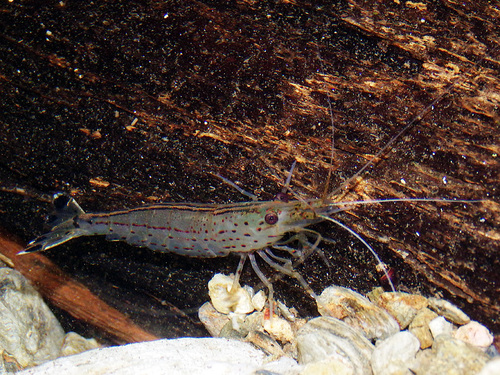
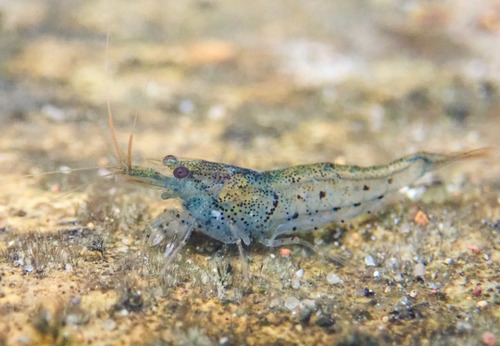
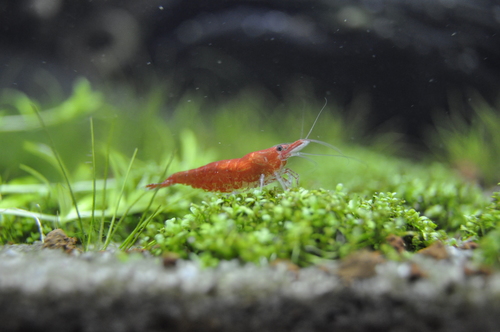
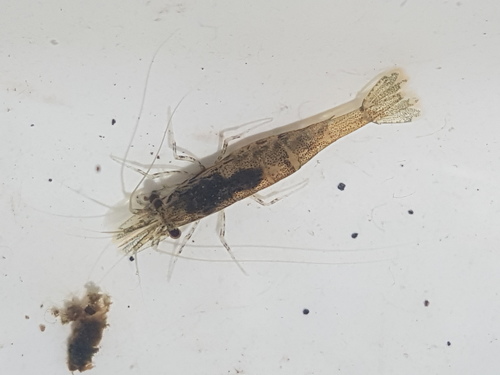
The genus Paratya, which includes this species, is distinguished from all other decapod shrimps by the specialized form of its first two pairs of chelipeds. These chelipeds have clusters of brushing setae, or small hairs, that the shrimp uses to collect food. Paratya curvirostris feeds mainly by scraping detritus from the leaves of aquatic plants including Elodea species and milfoils, and it sometimes uses all four of its chelipeds for this activity. It brings collected organic material to its mouthparts, where larger particles are shredded by the third pair of maxillipeds. It also feeds on small invertebrates such as midges. Adult Paratya curvirostris grow up to 25 millimeters in length. The sex of this shrimp can be identified by differences in the first two pairs of pleopods: males have larger endopodites. Females carry up to 4000 eggs; after depositing the eggs, females clean them and create water flow by beating their pleopods. In a laboratory experiment, the eggs took approximately 28 days to hatch. Newly hatched larvae are planktonic, and have fewer limbs and body segments than later life stages. Research suggests that first-stage larvae migrate to river mouths to develop in saltwater, and move up into rivers or streams to less saline water during their later development stages. This species was once common to abundant across a widespread range, but now its population is somewhat reduced and it has a patchy distribution. This change is largely attributed to the introduction of trout to certain areas. It is rarely found at elevations above 40 meters.