About Oxyeleotris marmorata (Bleeker, 1852)
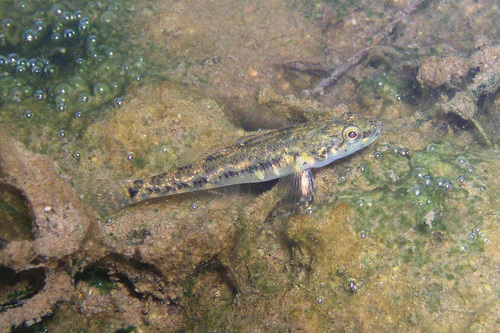
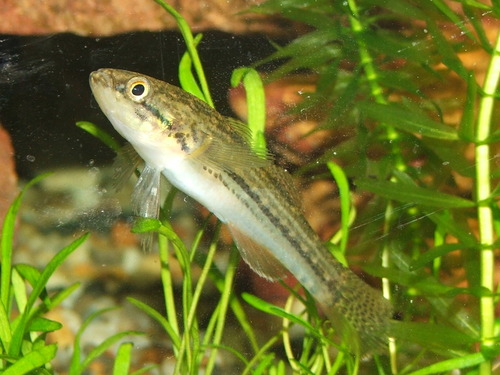
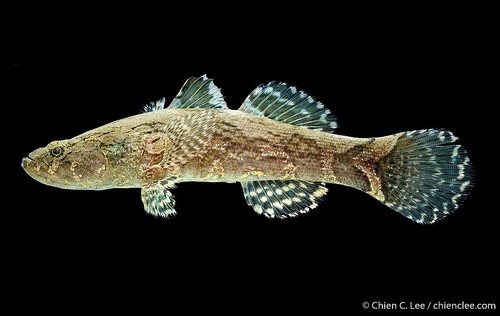
The marble goby, with the scientific name Oxyeleotris marmorata, is a widely distributed fish species belonging to the family Butidae. It is native to fresh and brackish waters of the Mekong and Chao Praya basins, as well as rivers and other water bodies in Cambodia (where it is called ត្រីដំរី "TreiDamrei"), Thailand (where it is called ปลาบู่), Malaysia, Singapore (where it is called "Soon Hock" fish), Indochina, the Philippines, and Indonesia. This species is among the largest gobioid fish, reaching a maximum length of 65 cm (26 in), though most individuals do not exceed 30 cm (12 in). Marble goby is an economically important fish. It is targeted by local commercial fisheries, farmed, and also available in the aquarium trade. It is very popular among Chinese communities for its fine texture and tasty white flesh, and is widely believed to have healing properties; it is said to be best eaten after surgeries or childbirth. In Malaysia, commercial production of this fish is not widely established, so demand relies mostly on wild-caught individuals, which makes the fish expensive in the market. In Central Thailand, this species appears in the traditional folk tale of pla bu thong (or "golden goby"), which has a similar plot to Cinderella, and this tale has been adapted into multiple television series and movies.