About Oxalis acetosella L.
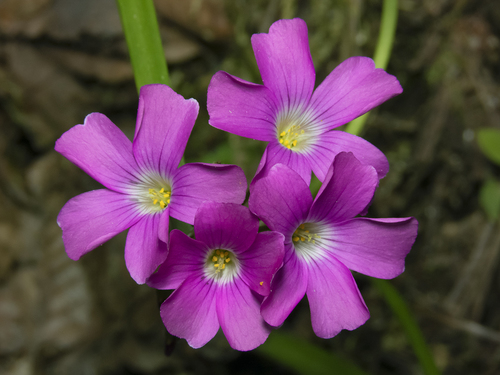
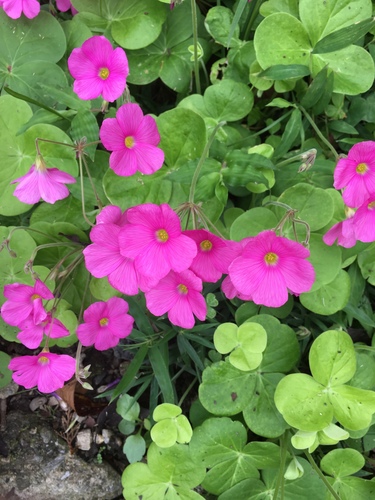
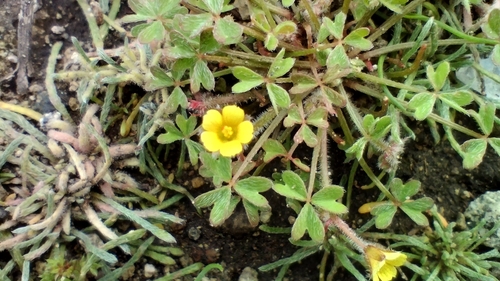
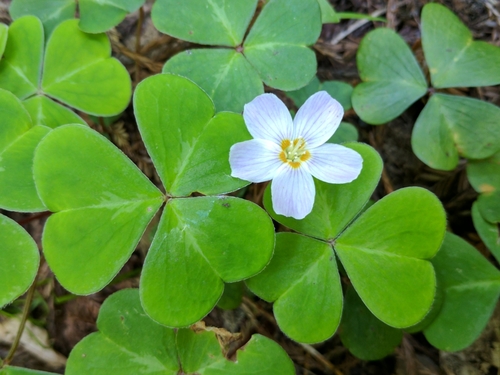
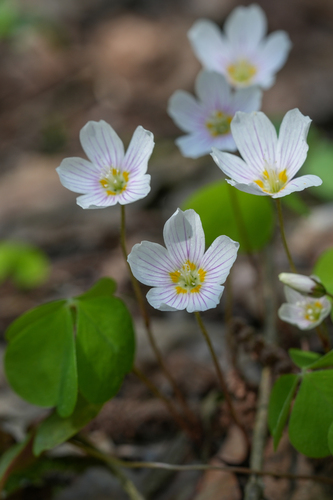
Oxalis acetosella L. typically grows to a maximum height of 10 centimetres (4 inches). It produces trifoliate compound leaves, with individual leaflets that are heart-shaped and folded through their center. The leaves grow in groups of three on long petioles, and are covered in fine soft hairs. Flowers are borne singly on thin, wiry stems from spring through midsummer. These flowers are small and open-faced, with five petals measuring 8 to 15 millimeters long; petals are most often white with pink or reddish veining, and only rarely appear reddish or mauve overall. At night or during rain, the flowers close and the leaves fold. This species grows in woodland and shady habitats across most of Europe, and northern and central Asia. It is widespread throughout Great Britain and Ireland, and is only rare in The Fens. It can grow on a wide range of moist soils, including both lime-rich and acidic types. In Britain, it grows from sea level up to 1,160 meters in central Scotland, and occurs at higher elevations in southern Europe and Asia. It tolerates deep shade, even the heavy shade of dense young conifer plantations. It was formerly present in Algeria, North Africa, but is now extinct there. Like other wood-sorrel species, its leaves are sometimes eaten by people, though they contain high levels of oxalic acid. Historically, an oxalate compound called "sal acetosella" was extracted from the plant by boiling.