About Ostrea chilensis Küster, 1844
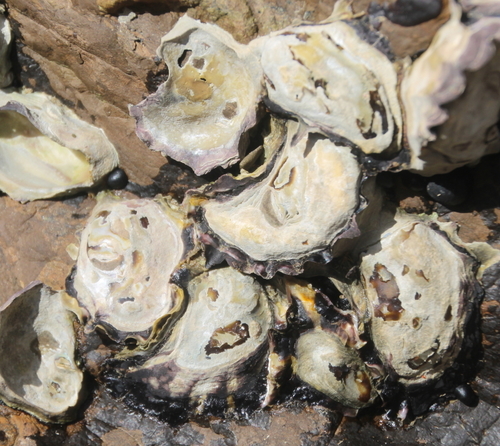
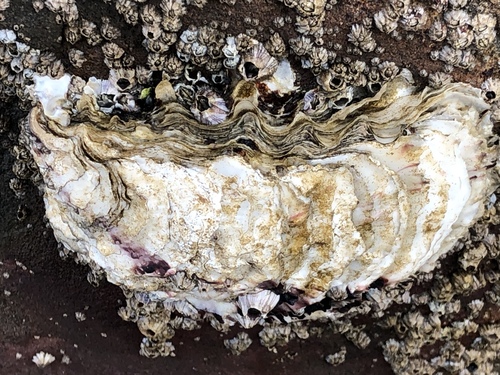
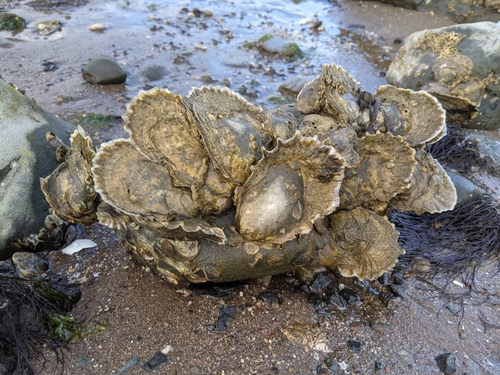
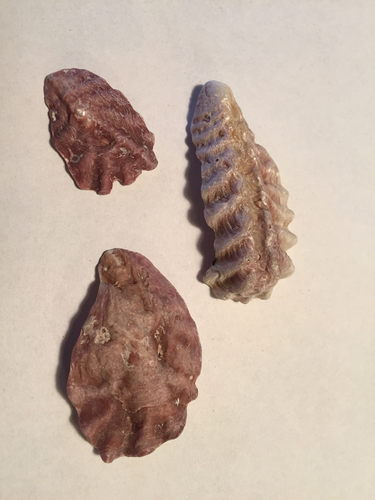
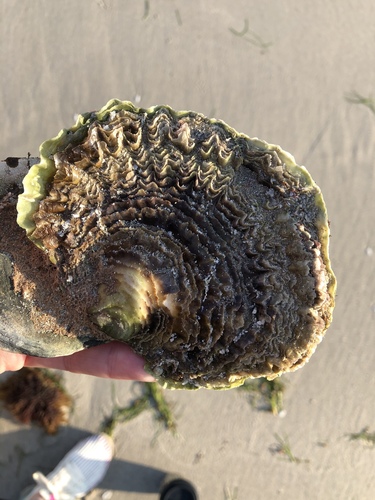
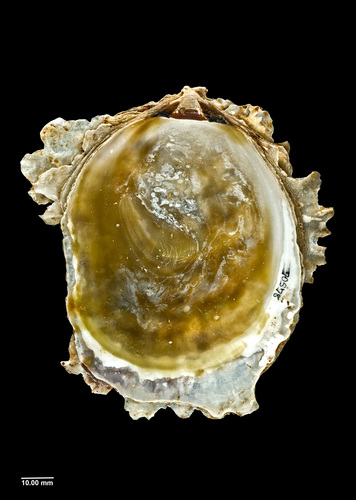
This oyster species, Ostrea chilensis Küster, 1844, reaches a maximum length of 105 mm, a maximum width of 70 mm, and a maximum inflation of 33 mm. The maximum recorded length for controlled specimens from Chile is 87 mm. Ostrea chilensis is native to Chile and New Zealand. In Chile, its natural range extends from Chiloé Island in the Los Lagos region to the Guaitecas Islands in the Aysén region. Currently, the only remaining wild natural population of the species occurs in a single bank at Pullinque, a sector in the Quetalmahue Gulf of Ancud. This site was declared a genetic reserve in 1982, and a marine reserve in 2003. In the 1960s, the Fisheries Laboratory in Conwy deliberately introduced Ostrea chilensis to the Menai Strait off Wales, as an experiment to test if this oyster could serve as a fishery alternative to the native European flat oyster, Ostrea edulis. The experiment was abandoned after the species was found to be unsuitable for this purpose, due to low recruitment and high vulnerability to parasites and pathogens. A self-sustaining population of Ostrea chilensis has remained in the area, spread to other parts of the Menai Strait, and is now classified as an invasive species. This bivalve species occurs from the low tide line down to depths of up to 35 m. In Chile, individuals attach to hard rocky or muddy bottoms, and live from the intertidal zone down to around 8 m deep, in enclosed bays or areas protected from strong waves. In New Zealand, Ostrea chilensis is infected by two haplosporidian parasites: Bonamia exitiosa and Bonamia ostreae. Bonamia ostreae is an introduced species to New Zealand. It was first detected infecting Ostrea chilensis in the Marlborough Sounds in 2015, and has been detected in Big Glory Bay on Stewart Island since 2017. To date, Bonamia ostreae has been detected in Ostrea chilensis across most of the oyster's range in New Zealand, from the Hauraki Gulf in the north to Port Adventure in southern South Island.