About Osmorhiza longistylis (Torr.) DC.
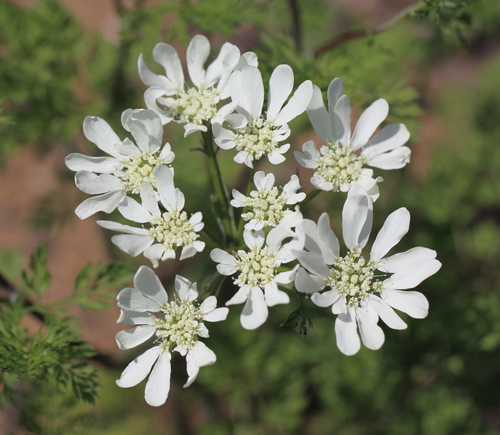
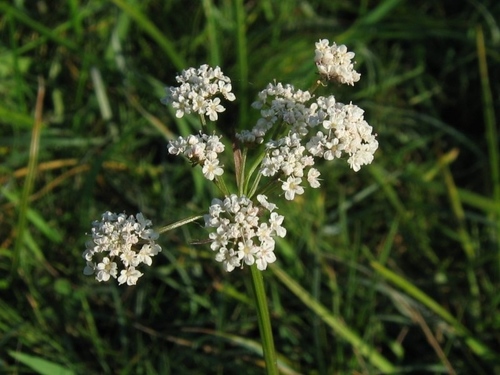
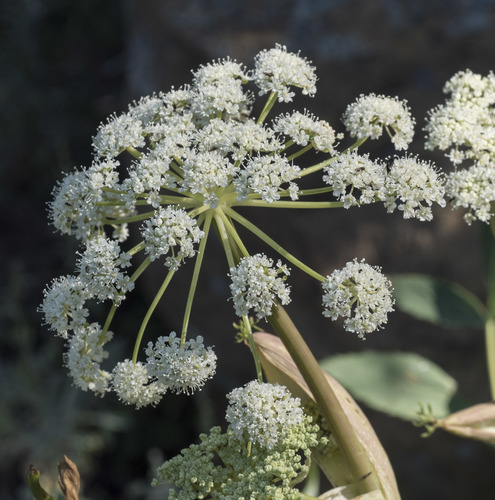
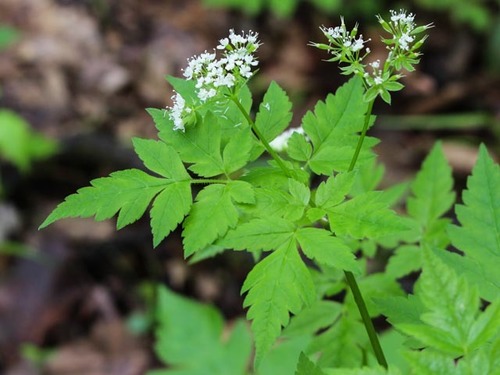
Osmorhiza longistylis, commonly known as long-styled sweet-cicely or longstyle sweetroot, is an herbaceous perennial plant in the Apiaceae family. It is native to North America, occurring in both Canada and the United States from the Rocky Mountains east to the Atlantic Coast. Its natural habitat is forests with fertile soil, most often in loamy areas with dappled sunlight. It grows in natural communities of average or high quality, and cannot tolerate intense disturbance. This species grows to two and a half feet tall. It produces clusters of small white flowers arranged in umbels in late spring and early summer. When crushed, the plant gives off a distinct anise scent. In its ecology, small to medium-sized bees, wasps, flies, and beetles feed on the nectar and pollen produced by its flowers. The caterpillars of the Black Swallowtail butterfly, Papilio polyxenes, feed on its foliage. For human uses, the roots have occasionally been used as a culinary substitute for anise. Historically, this species was also used as a medicinal herb by Native American groups.