About Opsanus tau (Linnaeus, 1766)
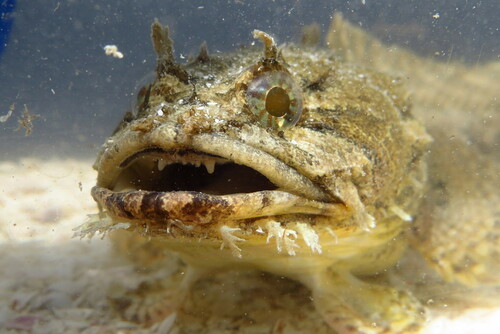
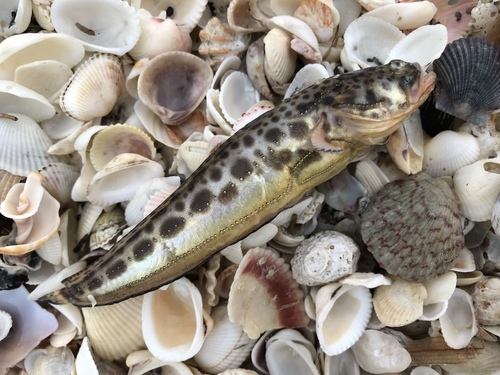
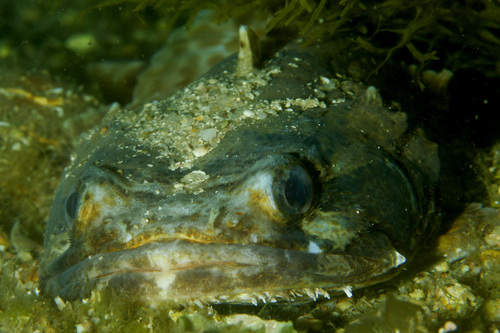
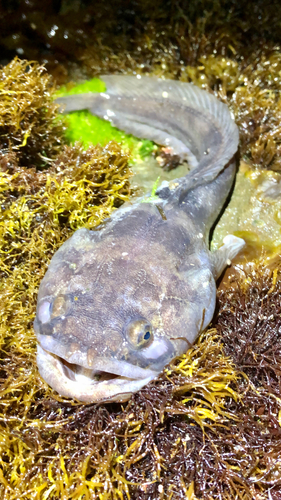
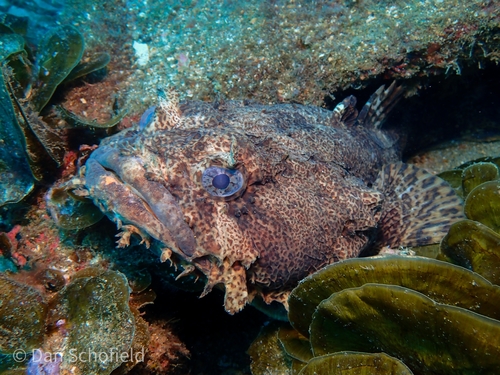
The oyster toadfish, scientifically named Opsanus tau (Linnaeus, 1766), has several common names including oyster toad, ugly toad, oyster cracker, oyster catcher, and bar dog. It is a species of fish in the family Batrachoididae native to the Northwest Atlantic. The maximum commonly recorded length of this species is 43.2 cm (17 in), and individuals rarely grow larger than 38 cm (15 in). The all-tackle world record size for the species is 19.2 inches, equal to 48.76 cm. Oyster toadfish are generally yellowish, marked with a pattern of brown oblique bars. This species can tolerate poor environmental conditions and survives on very little food. It can be found close to shore along the Northwest Atlantic coast, ranging from Maine to Florida. In 1998, NASA sent oyster toadfish into space to study how microgravity affects the development of otolithic organs. The study detected little difference between organ development on Earth and development in space. Oyster toadfish spawn in coastal estuaries between May and August, with timing varying based on latitude. Males dig out nests under rocks or other debris, then produce advertisement calls commonly called boatwhistles or foghorns. These calls attract females, who choose a mate, enter the nest, attach their eggs to the underside of the nest structure, then leave. Females do not provide any parental care. After males fertilize the eggs, they defend and clean the nest while the embryos develop. Oyster toadfish embryos are large, which has made them a common research subject for over a century. Eggs hatch after approximately 4 weeks. Newly hatched young remain attached to their yolk. Once the yolk is absorbed for energy, the young toadfish learn to swim. Even after the young begin swimming, the adult male continues to protect them. Juvenile oyster toadfish reach sexual maturity between 2 and 7 years old, and the species has a typical lifespan of 8 years. Very little is currently known about individual home ranges of oyster toadfish, or whether the species shows natal philopatry.