About Opogona sacchari (Bojer, 1856)
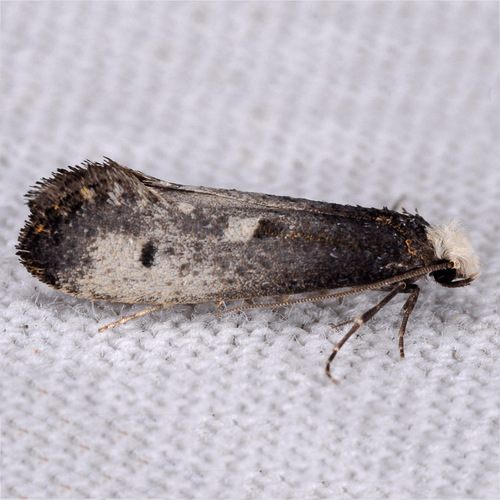
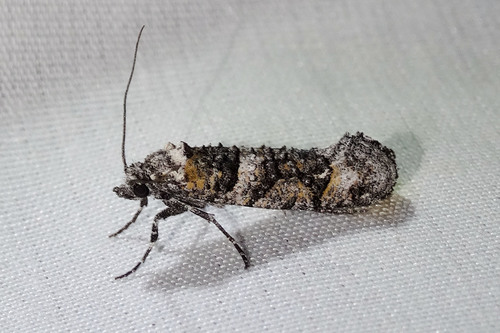
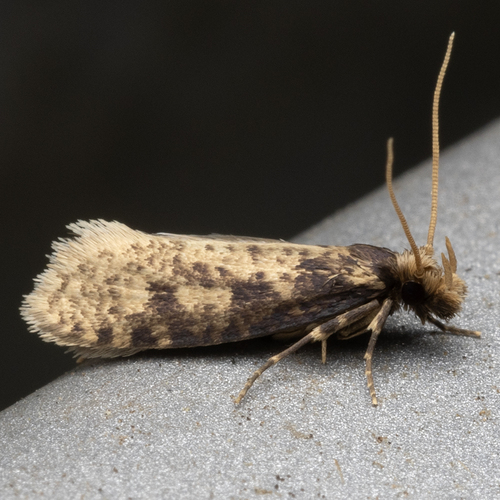
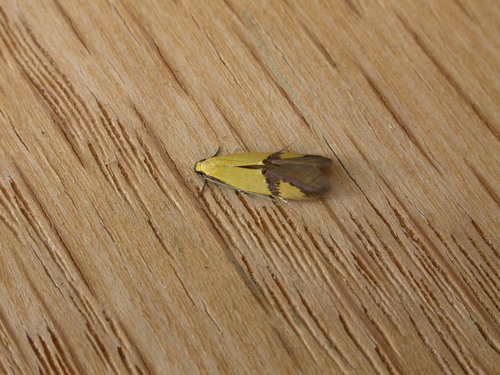
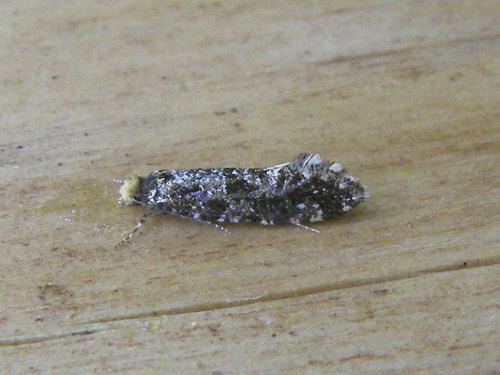
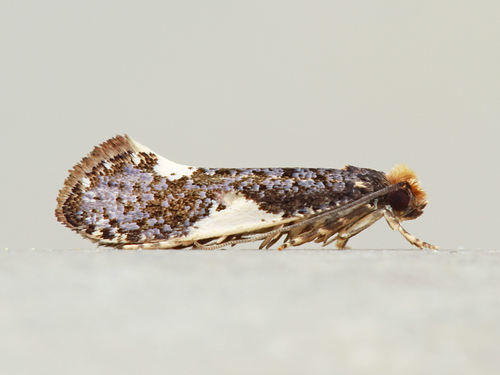
Opogona sacchari, commonly known as the banana moth, is a moth species belonging to the family Tineidae. It was first officially described by Wenceslas Bojer in 1856. This species is originally native to humid tropical and subtropical regions of sub-Saharan Africa, where its range also includes Madagascar, Mauritius, Réunion, Rodrigues Island, the Seychelles, and St. Helena. It was first recorded in the Canary Islands during the 1920s. In the 1970s, it was introduced to Brazil and Central America, and was also documented in Europe. It has been reported in Florida, United States, since 1986. The wingspan of adult Opogona sacchari ranges from 18 to 25 mm, and adult moths are a bright yellowish brown color. The larvae of this species feed on a broad variety of plants, including bananas, pineapples, bamboo, maize, and sugarcane. In glasshouses located in European countries, this moth has been found infesting many different types of tropical and subtropical ornamental plants. These infested ornamentals include members of Cactaceae, as well as Dracaena, Strelitzia, and Yucca. It has also been found occasionally on Alpinia, Begonia, Bougainvillea, Bromeliaceae, Chamaedorea and other palms, Cordyline, Dieffenbachia, Euphorbia pulcherrima, Ficus, Gloxinia, Heliconia, Hippeastrum, Maranta, Philodendron, Sansevieria, Streptocarpus sect. Saintpaulia, Capsicum, and aubergines. The pupae of Opogona sacchari are less than 10 mm long, brown in color, and develop inside a cocoon that measures around 15 mm in length. At a constant temperature of 15 °C, the full life cycle of this species takes approximately three months to complete: eggs hatch after 12 days, larval development takes 50 days, the pupal stage lasts 20 days, and adult moths live for 6 days.