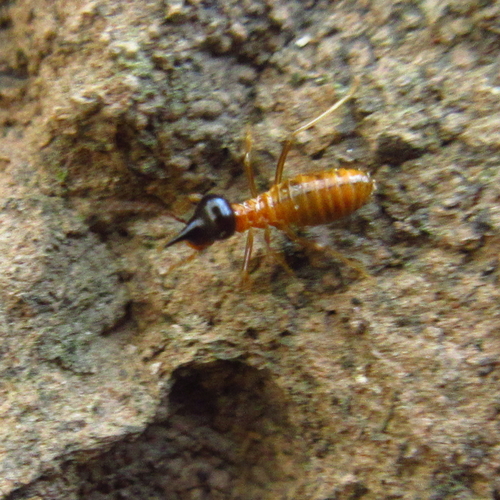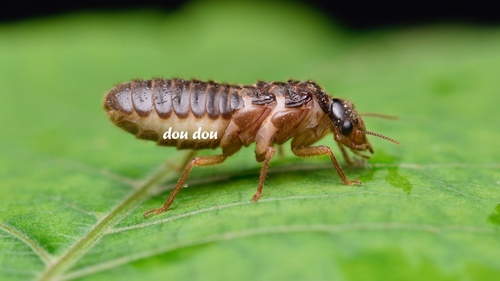
About Odontotermes formosanus (Shiraki, 1909)
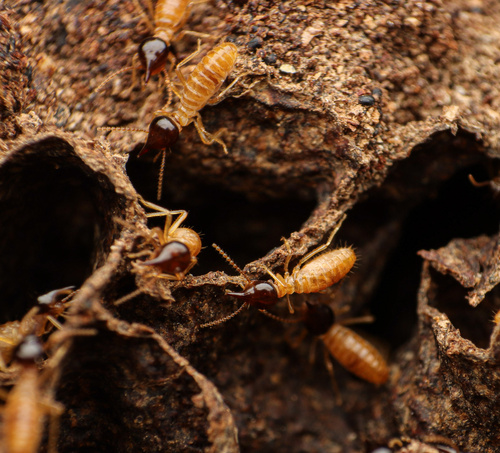
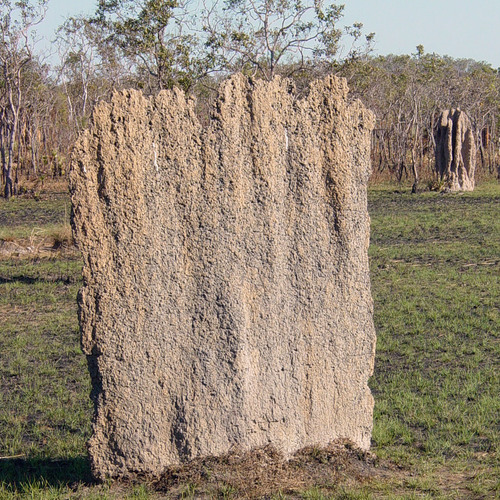
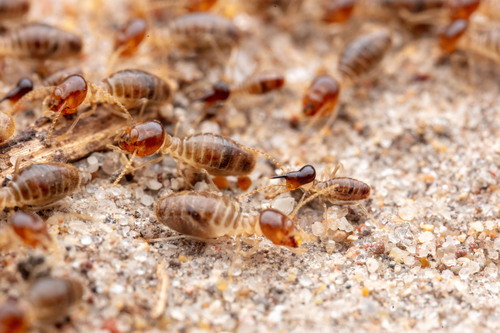
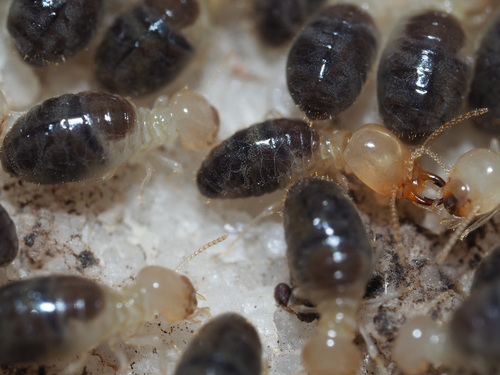
Odontotermes formosanus is a species of fungus-growing termite in the family Termitidae. It is native to southeastern Asia and was first described from Taiwan, which was then called Formosa. This termite cultivates a symbiotic fungus in a special chamber inside its nest. Workers and soldiers gather vegetable detritus, bring it back to the colony, and chew the material into a pulp to make a suitable substrate for growing the fungus. This species has a widespread distribution across southeastern Asia, with a range that includes Japan, Taiwan, China, Vietnam, Thailand, Myanmar, and India. It is a common subterranean species and acts as a pest of forests, plantations, and crops. It also builds nests inside earthen dams, and can cause dams and dykes to collapse, as well as damage pipework. It should not be confused with Coptotermes formosanus, a globally widespread invasive species. Like other members of the subfamily Macrotermitinae, Odontotermes formosanus forms a symbiosis with a fungus from the genus Termitomyces, which it cultivates in its nest. Older termites leave the nest to forage for materials that can serve as substrate for the fungus. Younger workers stay in the nest to chew up the plant material that foragers bring in; this material mixes with asexual fungus spores and bacteria inside their guts. The resulting faeces are deposited onto the fungal comb, and termites eat the older parts of the comb. Termites can travel as far as 35 m (115 ft) from the nest to collect suitable materials for their fungus comb. Foraging searches are initiated by workers, and sometimes by soldiers, which leave the nest area to forage in the open, often at night. The first explorer termites travel slowly and eventually return to the nest, regardless of whether they found food. The searching termite repeatedly touches the tip of its abdomen to the substrate to lay down a pheromone trail that guides other termites. The secretion it produces is a mixture of two chemicals, and by varying the proportions of each chemical deposited, explorers can pass extra information to other termites that follow the trail. When a suitable source of material is found, the termites build a circular gallery around it to make collection easier. They use mud to construct tubes over the trail that termites travel along back and forth between the source and the nest. Odontotermes formosanus is associated with Zyras artemis, a species of rove beetle native to Taiwan.