About Odontocymbiola magellanica (Gmelin, 1791)
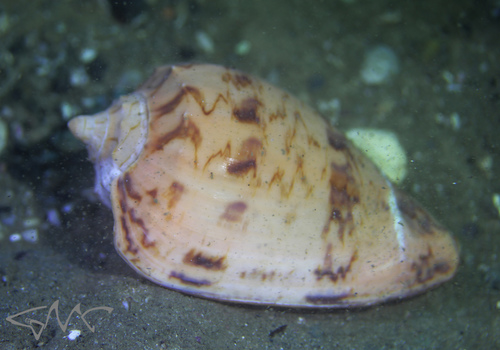
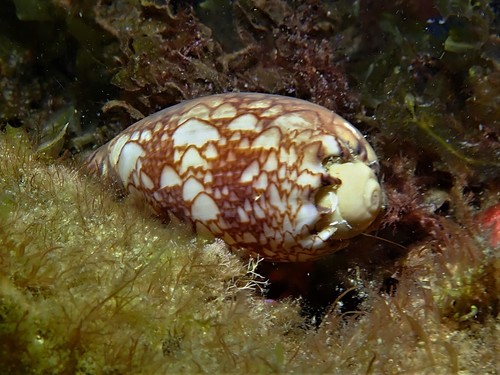
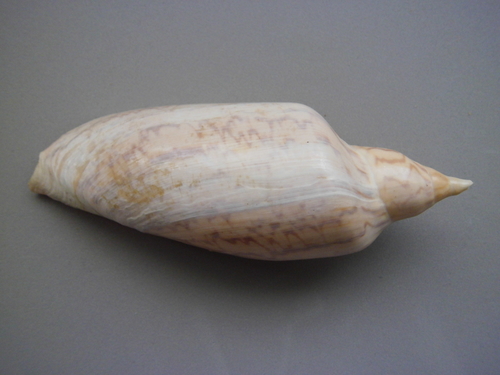
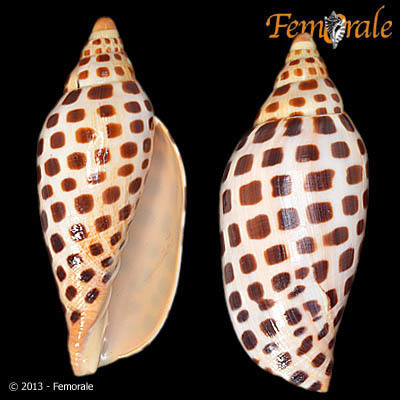
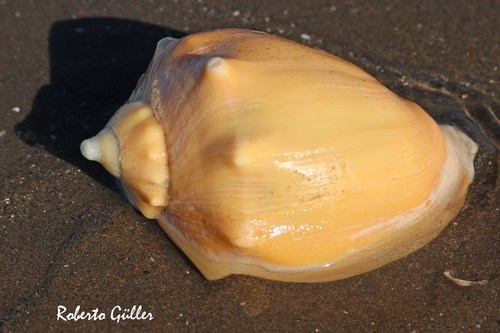
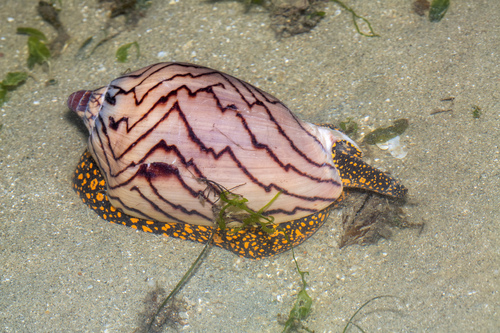
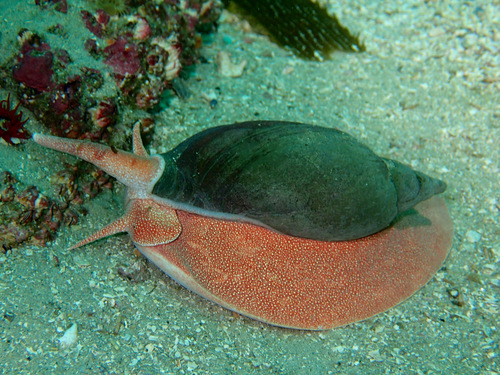
Odontocymbiola magellanica (Gmelin, 1791) occurs in the southern oceans, ranging from Chile and Argentina south to the Falkland Islands and the Scotia Sea. It inhabits the continental shelf and slope, at depths between 50 and 900 meters, or 160 to 2,950 feet. This species has a thick, heavy shell with a glossy surface. Shells are most commonly white, cream, or yellow, with brown or purple markings. The aperture is large and oval, and the columella is smooth. Odontocymbiola magellanica is a carnivorous sea snail that preys on other mollusks, including bivalves and cephalopods. It uses its radula, a ribbon-like, tooth-covered tongue, to drill through the shells of its prey. This species is commercially important in Chile and Argentina, where it is fished to harvest its meat. Overfishing has caused a population decline, and the IUCN currently lists Odontocymbiola magellanica as a near threatened species.