About Ocotea bullata (Burch. ex Nees) E.Mey.
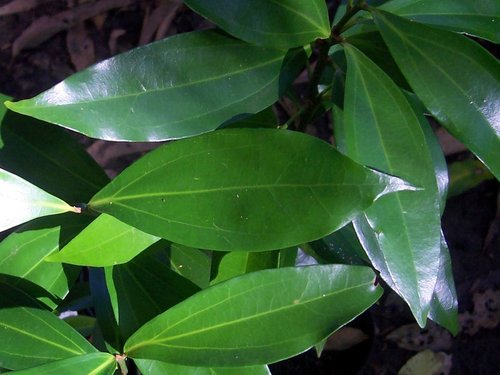
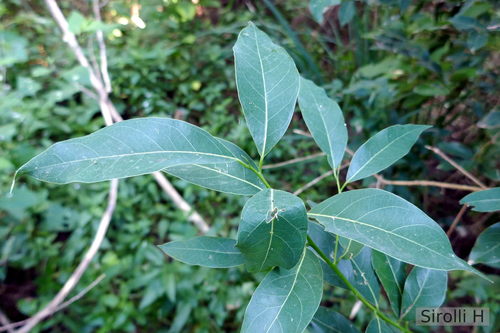
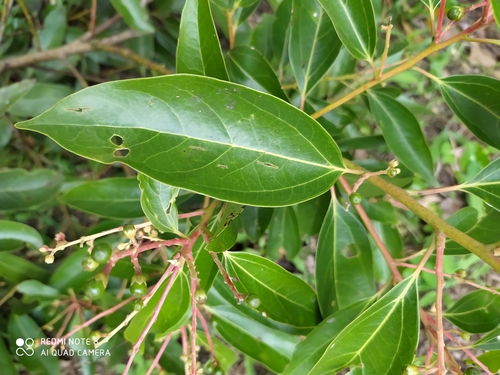
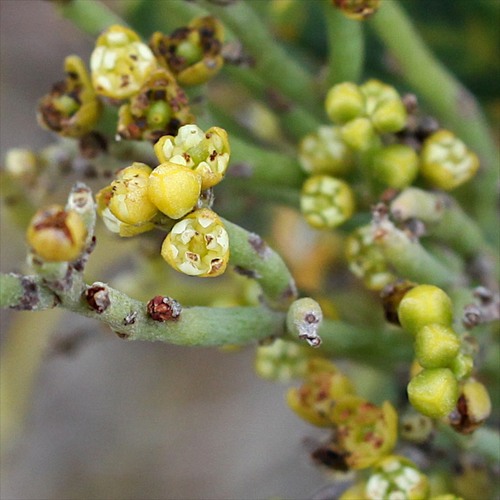
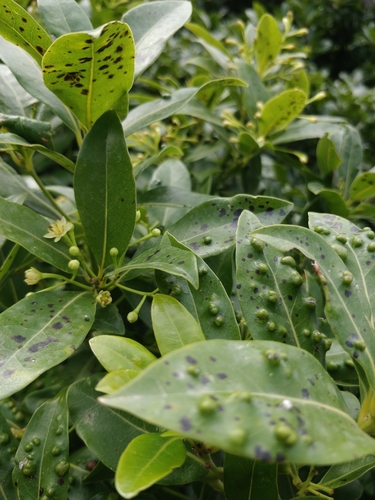
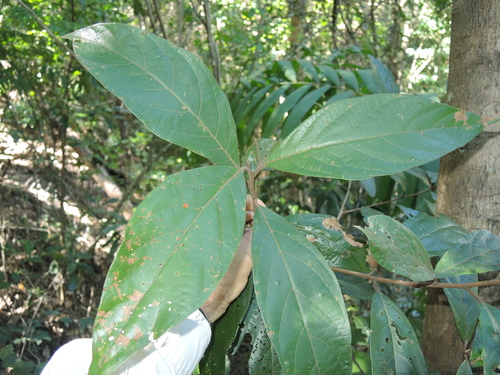
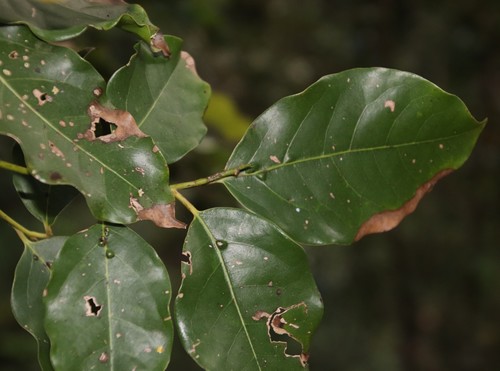
Ocotea bullata (Burch. ex Nees) E.Mey. is a large evergreen tree that can reach up to 30 meters in height. Its leaves are dark green and glossy, with bubble-like structures called bullae on their upper surface; this distinctive feature gives the species its specific epithet "bullata". The tree's flowers are often dioecious. This species is native to the high forests of South Africa, ranging from Table Mountain in the south to the afro-montane forests of Limpopo in the north. On the slopes of Table Mountain, the tree has been effectively eradicated: it was felled to harvest timber, and the area was replaced by invasive pine plantations. It is also frequently and fatally stripped of its bark, which is harvested for use in traditional medicine. As a result of these pressures, Ocotea bullata is now a protected tree in South Africa. The tree produces attractive timber that is highly valued by cabinet-makers. The heartwood ranges in color from dark walnut or reddish brown to black, with yellow sapwood, and it has an extremely fine, close, dense and smooth grain. The timber is reported to be as durable as teak. Due to severe overexploitation, the wood is no longer commercially available. The species is one of the most popular plants traded for traditional medicine in South Africa, primarily valued for its perceived effectiveness in treating urinary diseases. In cultivation, Ocotea bullata makes a very impressive ornamental tree for larger gardens or parks. Care is required when planting these trees, and they prefer a shady position. Once established, they grow quite quickly. Propagating stinkwood trees from cuttings is somewhat difficult. They can also be grown from seed, which must be freshly harvested, cleaned and planted immediately. Germination occurs in approximately 30 days.