About Nyssa ogeche W.Bartram ex Marshall
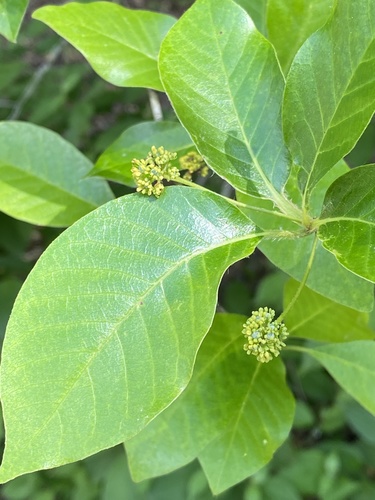
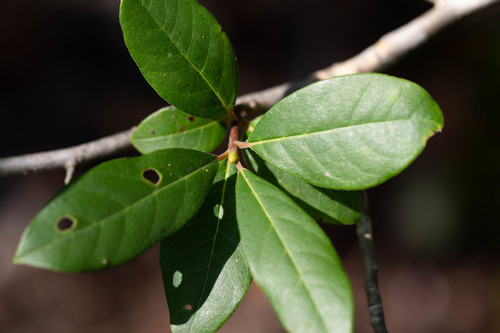
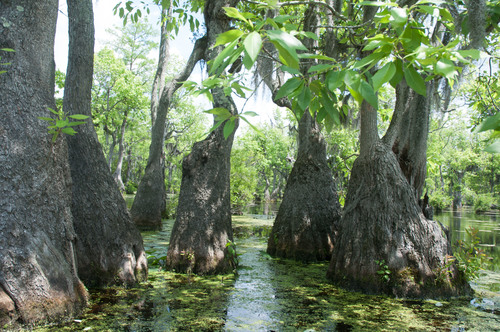
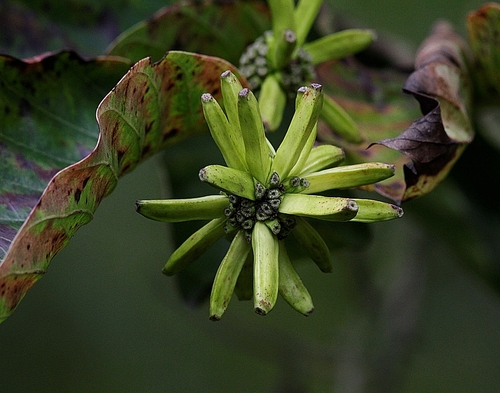
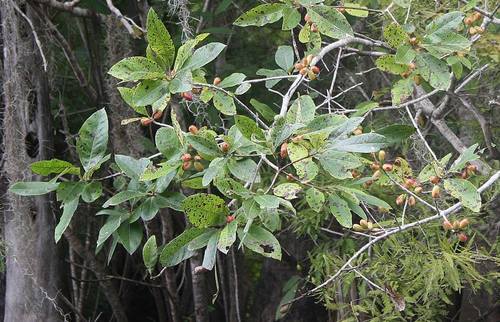
Nyssa ogeche has the common names Ogeechee tupelo, white tupelo, river lime, ogeechee lime tree, sour gum, and wild lime. It is a deciduous tree endemic to the southeastern United States. This tree reaches a height of 15 meters, or around 50 feet. It flowers from March to May, and its seeds ripen between August and October. Bees pollinate its flowers, and the tree is known for attracting wildlife. Ogeechee tupelo grows only in very moist locations, and occurs naturally along the borders of frequently inundated rivers, swamps, and ponds. It prefers slow-flowing, low water over standing water. Its natural range extends from coastal South Carolina, through the Ogeechee Valley in Georgia, to Clay County in northern Florida and Washington County in western Florida. It grows in abundance along the Ogeechee, Altamaha, Suwannee, and Satilla Rivers, as well as in specific wet flatwood regions between Florida’s Chocthatchee and Wakulla Rivers. The wood of Ogeechee tupelo has a specific gravity of 0.46, making it light; it is soft and tough, but not strong. The wood is coarse-grained, difficult to split, and of little commercial value. The tree is also too rare and small for its wood to be economically important. Its mature fruit is called Ogeechee lime, and has a subacid flavor. This fruit is made into preserves, and can also be used as a substitute for lime juice. The fruit grows in small clusters of 2–3, reaches up to 4 centimeters long, and has thick, juicy, highly acidic flesh that contains a single seed. Thousands of hectares of Ogeechee tupelo have been planted in bee farms along the lower Apalachicola River and around swamps where the species grows naturally. Honey made from the nectar of this tree is called "tupelo honey."