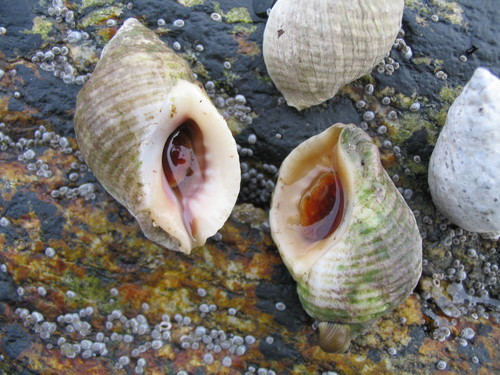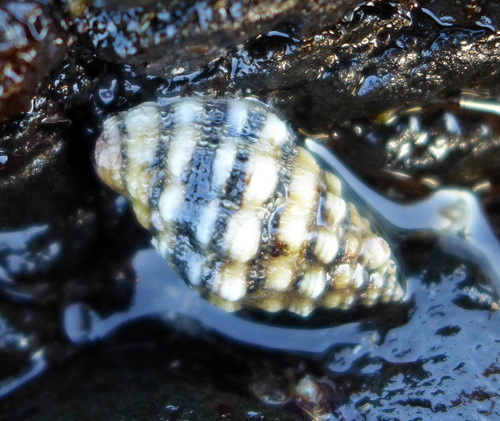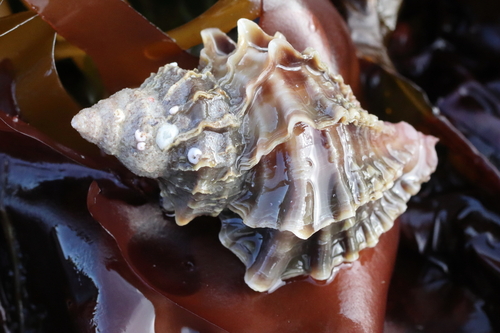
About Nucella lamellosa (Gmelin, 1791)
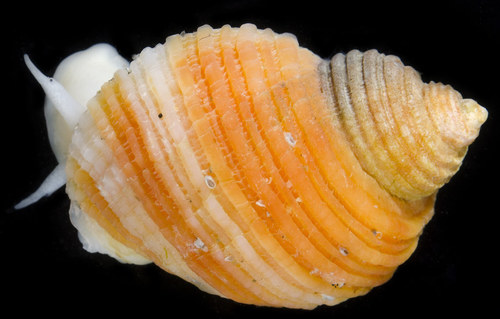
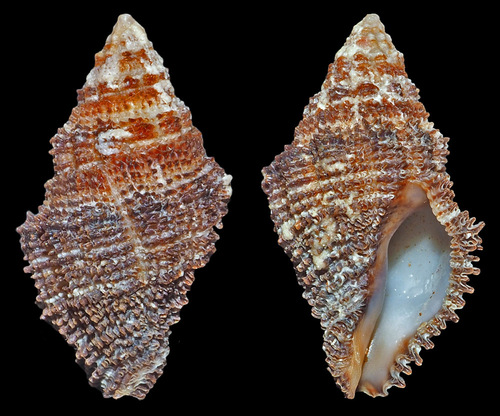
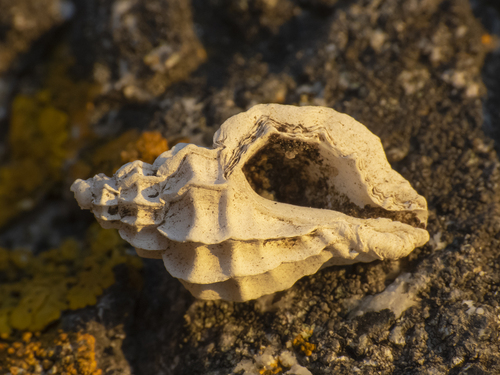
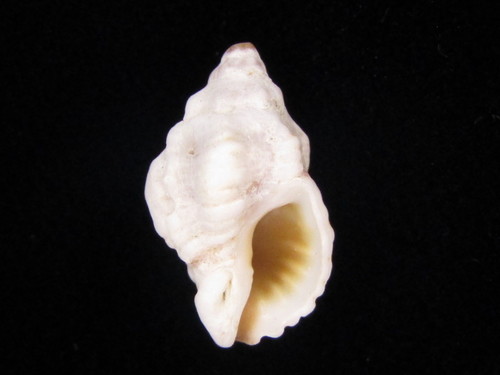
Nucella lamellosa is a large predatory sea snail with a strong shell that grows to 100 mm (4 inches) long and 50 mm (2 inches) wide. Its shell has up to seven whorls, a well-developed spire, a short siphonal notch, and a horny operculum. This species is quite variable in color, shape, and surface texture: some individuals are smooth, some are rough, and some have frilled angular plates called lamellae. Some of this variation may stem from abrasion and wave action. When spiral sculpture is present, it consists of one or two ridges per whorl, and whorls are flattened near their joints, giving them an angled appearance. The snail can be white, grey, brown, or orange, occasionally purplish, and it is sometimes patterned with spiral bands. This whelk occurs in shallow waters of the eastern Pacific Ocean, with a range stretching from the Bering Strait and Aleutian Islands to central California. It lives intertidally on rocks from the mid to lower shore, and it is one of the most common whelks in this habitat in the Pacific Northwest. Nucella lamellosa is a predator that feeds primarily on mussels and barnacles. It uses its radula to scrape through prey shells and extract the soft internal tissue. This whelk is itself preyed on by crabs such as the red rock crab Cancer productus, and by the seastar Pisaster ochraceus. When red rock crabs are present, Nucella lamellosa tends to grow a thicker, more robust shell that is harder for crabs to crush. This induced change appears to be triggered by water-borne chemicals released by the crabs, as shell thickness does not change when the recently introduced invasive crab Carcinus maenas (which also preys on this whelk) is present. Nucella lamellosa shows a different shell shape response in the presence of Pisaster ochraceus: in this case, the shell tends to grow longer with a higher spire, which lets the whelk retract its soft tissues as far away from the seastar as possible. When both crabs and seastars are present, the resulting shell shape reflects the response to the predator that causes the highest mortality. This whelk also has a behavioral response to both predators, seeking refuge to avoid attack. Breeding occurs in hidden sites such as under rocks, where many whelks gather to mate and lay eggs in capsules. The capsules hang from the substrate in clusters that resemble oats.