About Noturus exilis Nelson, 1876
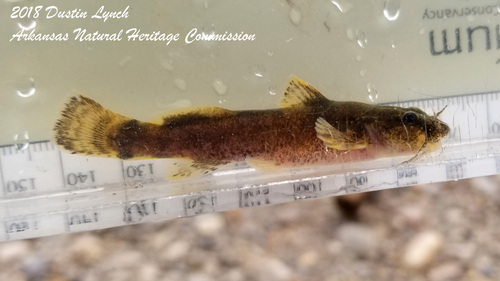
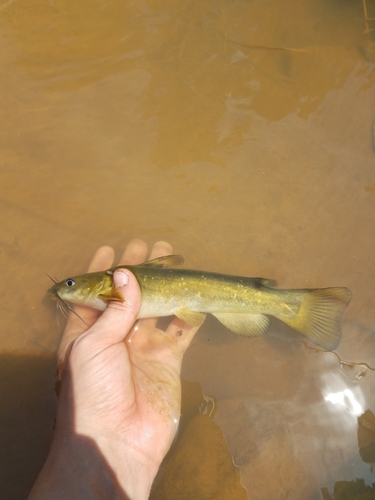
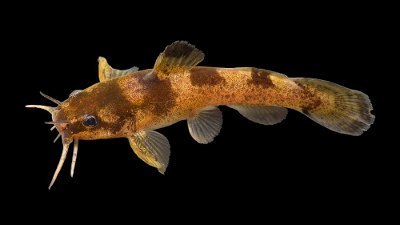
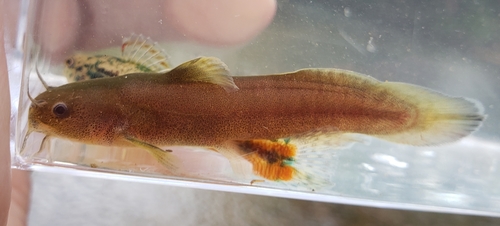
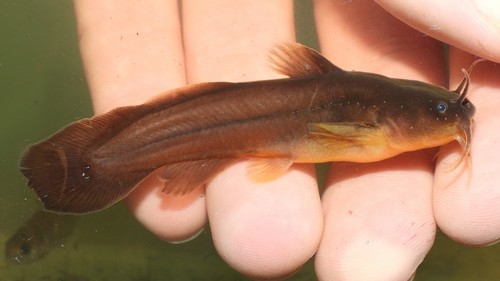
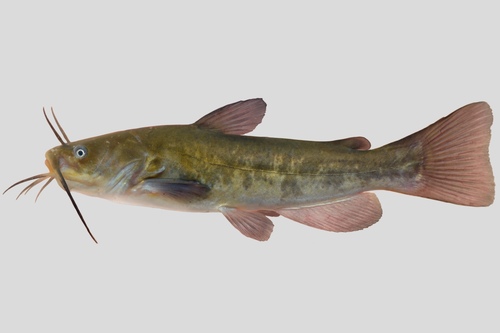
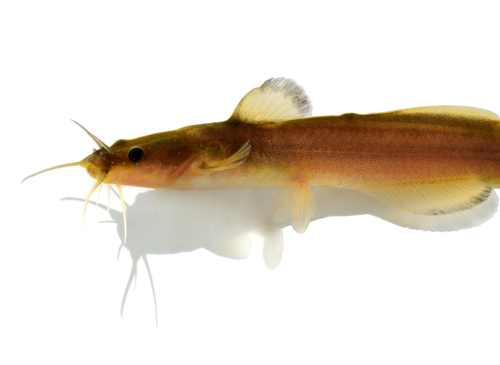
Noturus exilis, commonly known as the slender madtom, is a catfish species in the family Ictaluridae. This family includes bullheads, madtoms, channel catfish, and blue catfish. Edward Nelson first scientifically described Noturus exilis in 1876. This species is moderately sized, with a flat head, small eyes, and a terminal to sub-terminal mouth. It has black marginal bands on its median fins, and most adult slender madtoms measure less than 90 millimetres (3.5 in) in total length. It is similar in shape and coloration to Noturus flavus and Noturus nocturnus. Slender madtoms are native to the central Mississippi River basin, and are most abundant in Ozarkian streams. Their range includes two main disjunct groups in Central Highlands regions: one in the Ozark Highlands that stretches from eastern Kansas and Oklahoma to the southern tip of Illinois, covering most of Missouri and northwest Arkansas, and a second in the Eastern Highlands that extends from middle Tennessee and parts of southeastern Kentucky into northern Alabama and Mississippi. West of the Mississippi River, they occur in the Ozarks of Oklahoma, Arkansas, and Missouri, ranging north to southern Wisconsin and Minnesota. East of the Mississippi River, they are found in the uplands of Alabama, Tennessee, and Kentucky within the Tennessee, Cumberland, and Green River drainages. There are also several smaller, isolated populations of the species in Iowa, Illinois, southern Wisconsin, and Minnesota. The overall population size of the slender madtom has decreased across its former range. Its total range has most likely shrunk due to dam construction, channelization, and agricultural runoff. In Mississippi, habitat alteration in small streams of the Tennessee drainage puts the species at high risk of extirpation. In the northern part of its range in Wisconsin, populations have declined primarily due to agricultural runoff and river flow alteration caused by dams. Slender madtoms inhabit small to medium-sized streams, specifically riffles and flowing pool habitats with substrates ranging from coarse gravel to slab rock. The presence of a shelter object, such as a large rock, is an important factor in their habitat selection. They generally occupy rocky riffles and pools of creeks and small rivers, spending most of the day hiding under large rocks and emerging to feed at night. They feed most actively after dusk and before dawn. In late summer, they are frequently observed in high numbers in vegetated patches and backwaters. They can be found in streams with current speeds between 8 cm/s and 92 cm/s, at depths ranging from 5 cm to 42 cm. The slender madtom is not a strong swimmer, which has limited its ability to disperse over time. The diet of the slender madtom includes midges, mayflies, caddisflies, isopods, amphipods, and copepods, with ephemeropteran naiads and chironomid larvae making up the majority of their food intake. They compete for and share this same diet with the orangethroat darter (Etheostoma spectabile). Smallmouth bass (Micropterus dolomieu) is a documented predator of adult slender madtoms. This predation pressure is a possible reason the slender madtom has a nocturnal lifestyle, seeking cover during the day when this visual predator actively hunts. Predation on slender madtom embryos has also been recorded from virile crayfish (Orconectes virilis), central stoneroller (Campostoma anomalum), and rainbow darter (Etheostoma caeruleum).