About Notropis telescopus (Cope, 1868)
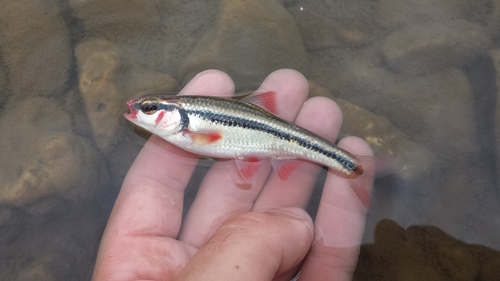
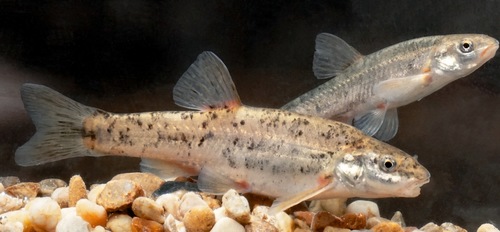
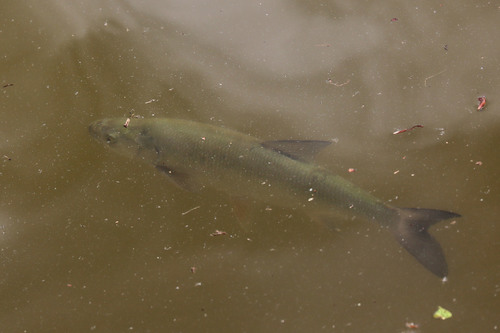
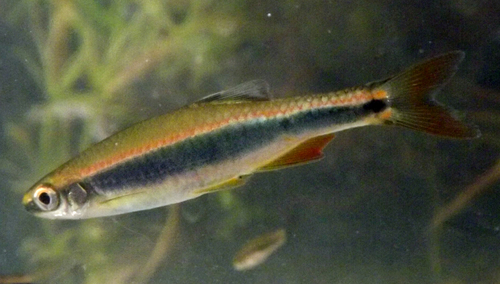
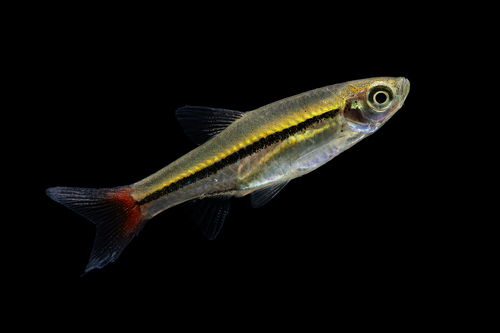
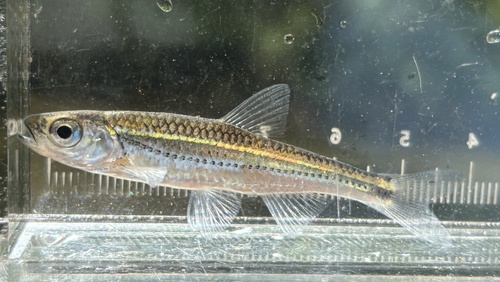
The telescope shiner, scientifically named Notropis telescopus (Cope, 1868), is a species of freshwater ray-finned fish that belongs to the family Leuciscidae, a group that includes shiners, daces, and minnows. It is primarily found across a limited range of waters in the Southeastern Region of the United States, with very few published records of existing research or management focused on this species. This research provides information about the species that can support monitoring efforts for Notropis telescopus populations. The main population of telescope shiners lives throughout the drainages of the Tennessee and Cumberland rivers, distributed across Virginia, Kentucky, Tennessee, and Alabama. A second confirmed population is located in Arkansas and Missouri, where it inhabits the White and Black river systems. The telescope shiner gets its common name from its relatively large eye compared to other species in the genus Notropis. Adult Notropis telescopus typically range in length from 50 to 105 millimetres, which is equal to 2.0 to 4.1 inches. Unlike some other shiners and darters, the telescope shiner does not have any distinctive outstanding coloration. The telescope shiner lives in cooler waters including fast-moving streams and small rivers, and can be found in riffle, run, and pool habitats. Studies show that telescope shiners tolerate higher levels of pH, alkalinity, magnesium, and dissolved oxygen better than other similar fish species. In terms of feeding, the telescope shiner is classified as an insectivore. Telescope shiners are classified in the lithophil spawning guild, and prefer open rock and gravel substrates for spawning. Their embryos hatch early and remain hidden under rocks. Most Notropis species are multiple batch spawners, with gonadal size and condition following strong seasonal patterns. The spawning peak for telescope shiners usually falls between April and July. Current monitoring and management work for the species is carried out by government agencies. Most of these surveys are not targeted specifically at the telescope shiner, and are instead conducted to assess the overall biotic integrity of the surveyed streams and river systems.