About Notonecta glauca Linnaeus, 1758
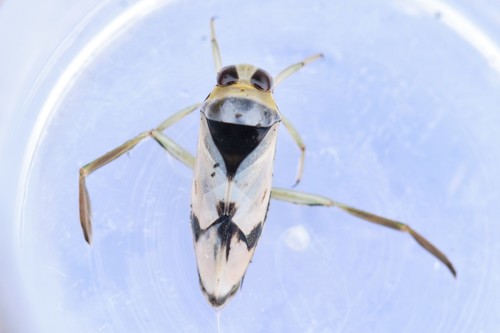
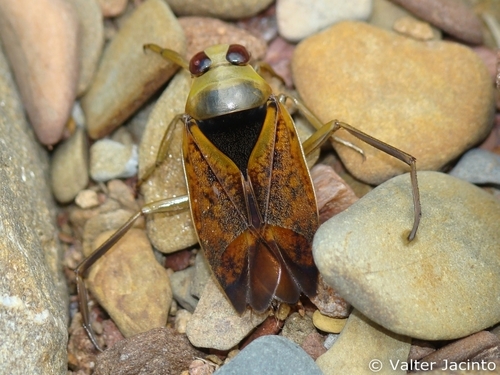
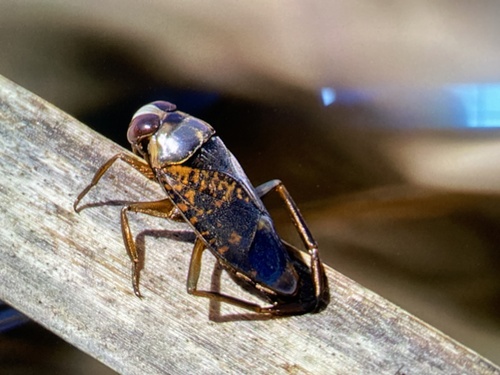
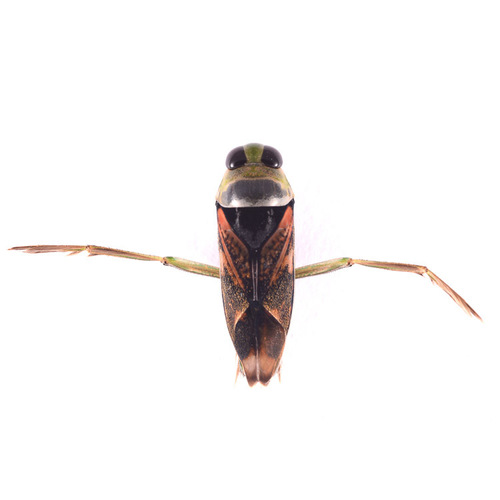
Notonecta glauca, described by Linnaeus in 1758, is an aquatic insect species in the family Notonectidae. It is commonly called the greater water-boatman or common backswimmer. This species is distributed across much of Europe, North Africa, and extends east through Asia to Siberia and China. Across most of this range, it is the most common backswimmer species, and it is the most widespread and abundant of the four water-boatman species found in Britain. Notonecta glauca is a predatory true bug in the order Hemiptera, with an adult body length of approximately 13 to 16 mm. Females of this species are larger in body size than males. As their common name suggests, these aquatic insects swim and rest on their back, and they are found positioned just under the water surface. N. glauca holds itself against the underside of the water surface using its front legs, mid legs, and the tip of its abdomen, relying on water tension (the surface tension of the air-water interface) to stay in this position. Its hind legs are adapted to act as oars; these legs have a fringe of hairs, and when at rest they are extended out to the sides like a pair of boat sculls. N. glauca hunts prey either by waiting for passing prey to come within reach, or by actively swimming to hunt prey. In warm weather, typically during late summer and autumn, adult backswimmers fly to move between different ponds. This species reproduces in the spring.