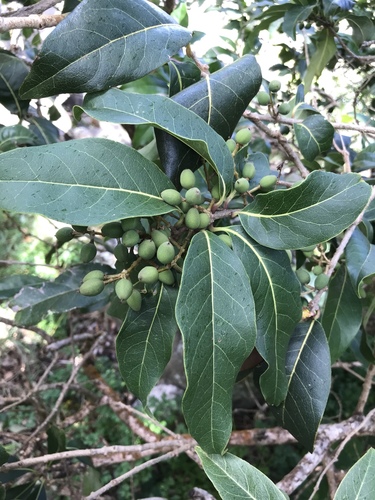
About Nestegis sandwicensis (A.Gray) O.Deg., I.Deg. & L.A.S.Johnson
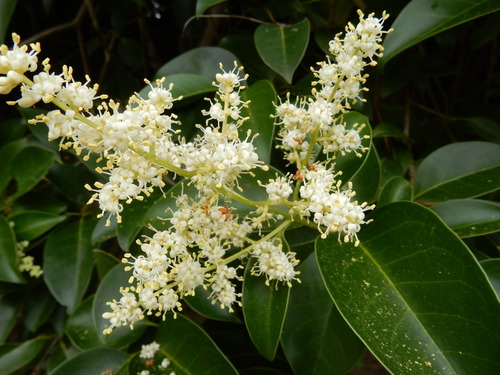
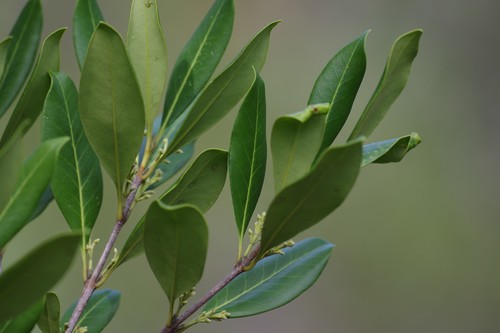
Nestegis sandwicensis, also previously called Notelaea sandwicensis, is commonly known as Hawai'i olive or olopua. This flowering tree species belongs to the olive family, Oleaceae, and is endemic to Hawaii. It grows on all of Hawaii's major islands, at elevations ranging from 30 to 1,300 meters (98 to 4,265 feet). It occurs in coastal mesic forests, mixed mesic forests, and is especially common in dry forests. Most individuals grow to around 6 meters (20 feet) tall, with a trunk diameter of 0.2 meters (0.66 feet). Exceptionally large specimens can reach 20 meters (66 feet) in height, with a trunk diameter of 0.9 meters (3.0 feet). Historically, Native Hawaiians used olopua's hard wood for a wide range of tools, weapons, and construction items. These included ʻau koʻi (adze handles), apuapu (rasps for making fish hooks), ʻōʻō (digging sticks), lāʻau melomelo (fishing lures), pou (house posts), pāhoa (daggers), pīkoi (tripping weapons similar to a rope dart), and spears. The wood was also used as wahie (firewood) because it burns well even when green.