About Neotoma mexicana Baird, 1855
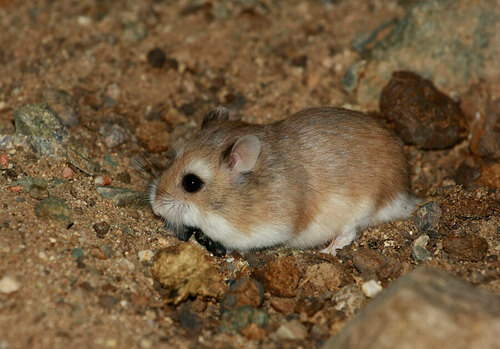
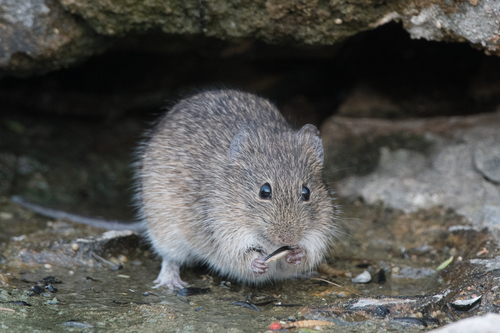
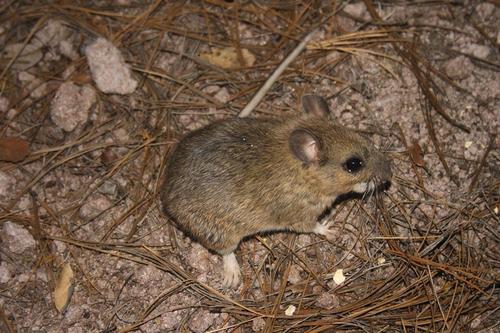
This species, Neotoma mexicana Baird, 1855, has an average total length of just over 300 mm (12 in), and individuals weigh between 140 and 185 g (4.9 to 6.5 oz). It is a generalist feeder, consuming a wide variety of berries, vegetation, nuts, acorns, and fungi, with foliage making up the largest portion of its diet. Its distribution extends from the southwestern United States – including Utah, Colorado, New Mexico, parts of Arizona, and Trans-Pecos Texas – south all the way to Honduras. During the Pleistocene, this species occurred at lower elevations; today, it is generally restricted to highlands that support open coniferous forests or woodlands. In a small number of locations, it can be found at lower elevations in areas with lava or boulder fields, where deep subsurface spaces are thought to allow it to survive. Like other members of its genus that live in rocky landscapes, it typically builds dens using existing crevices, rock shelters, and caves, and stick nests are relatively rare for this species.