About Neotoma fuscipes Baird, 1857
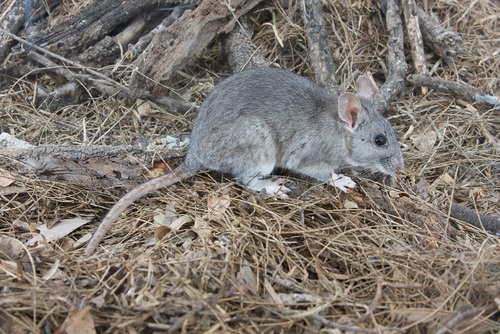
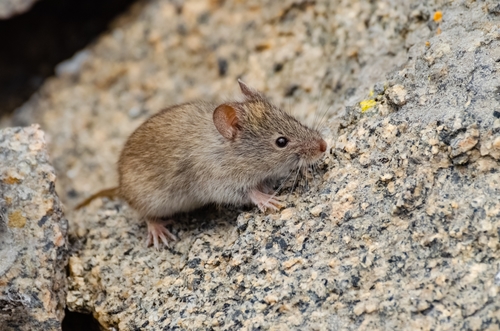
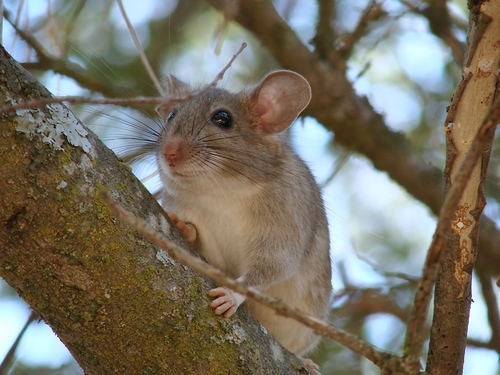
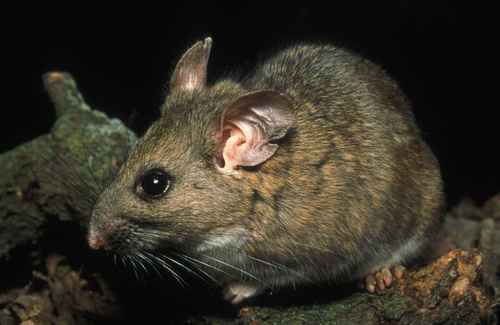
The dusky-footed woodrat (Neotoma fuscipes Baird, 1857) is a nocturnal rodent species belonging to the family Cricetidae. It is commonly nicknamed "packrat" or "trade rat" for its characteristic hoarding behavior, habit of building large domed dens, and tendency to drop one object and pick up another in its place, described as a "trade". When predators like coyotes hunt these rodents by destroying their dens, the large volume of material in the dens usually discourages this predation attempt. Occasionally, dusky-footed woodrats construct smaller satellite dens in trees. Though the species is solitary outside of mating season (when individuals are most vulnerable to predation), their dens are often found in clusters of up to several dozen, forming loose rough "communities". This species has a variable mating system: promiscuity is most common at high population densities, while monogamy occurs at lower densities. In appearance, it is similar to the common rat species Rattus rattus and Rattus norvegicus, but has larger ears and eyes, a softer coat, and a furred tail. The California mouse (Peromyscus californicus), which shares a similar geographic distribution with the dusky-footed woodrat, sometimes lives within woodrat dens. Each woodrat den contains a nest and one or more separate "pantry" chambers, where leaves and nuts are stored for later consumption. The dental formula of Neotoma fuscipes is (1.0.0.3 / 1.0.0.3) × 2 = 16 total teeth. This species occurs in both Mexico and the United States. Its range extends from Oregon in the United States down into northern Baja California, along the Pacific coast west of the deserts and Great Basin. Dusky-footed woodrats are found near streams, in juniper forests, and in mixed coniferous forests. They prefer to live in chaparral areas with dense ground cover, as these areas provide a consistent food supply, protection from predators, and abundant materials for den construction. In northeastern California, they are able to survive in lava rims and beds that have sufficient vegetation cover.