About Nassa serta (Bruguière, 1789)
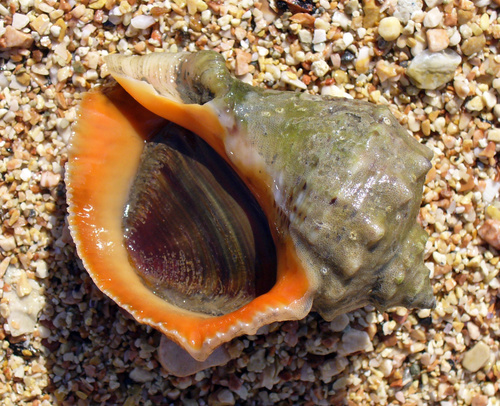
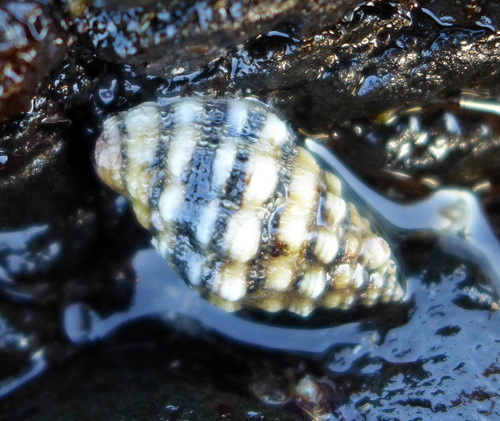
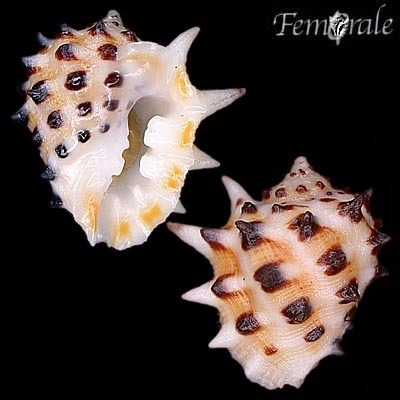
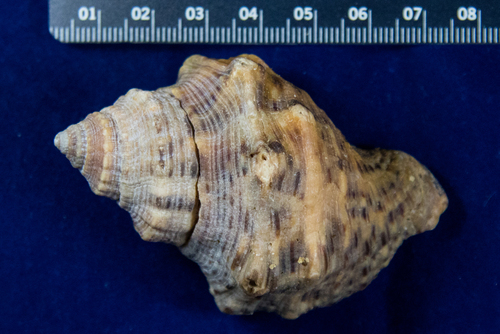
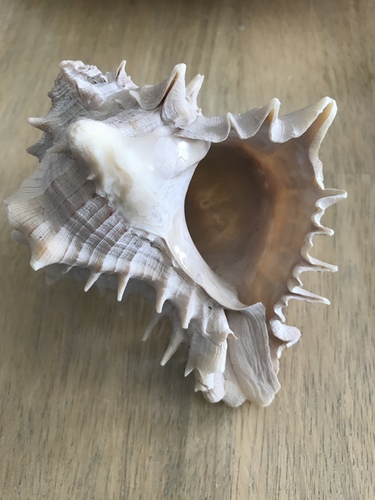
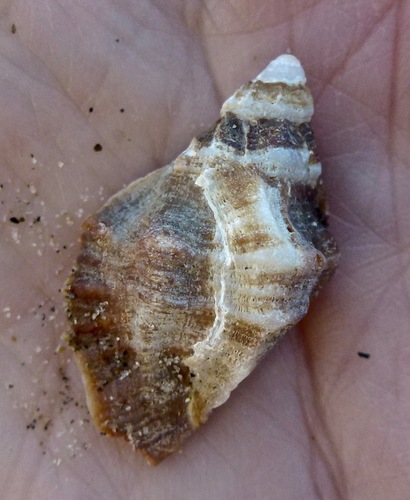
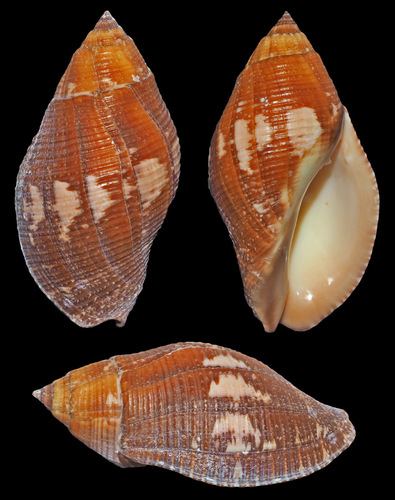
The shell of Nassa serta ranges in size from 38 mm to 70 mm. It is robust and elongated, with prominent spiral ridges and axial ribs that create a textured look. Shell coloration generally runs from light to dark brown, and often includes contrasting bands or spots. This species has a wide distribution across the Indo-Pacific region. It has been recorded in the Red Sea, off the coasts of Tanzania, Madagascar, and Mauritius, in the Chagos Archipelago, and extends as far east as Hawaii and Eastern Australia. Confirmed records from the Pitcairn Islands and French Polynesia show its range reaches into the remote Pacific. Nassa serta lives in shallow subtidal zones, usually at depths between 3 and 12 meters. It is most often found under corals, slabs, and stones in reef-associated environments. Like other muricids, it is a carnivorous or scavenging snail that typically feeds on sessile invertebrates or carrion. This species is a non-broadcast spawner, so it does not release eggs freely into the water column. Fertilization occurs internally, and eggs are laid in capsules that attach to hard surfaces. Its development skips the trochophore stage, and instead produces veliger larvae or juveniles directly.