About Nacaduba biocellata (C.Felder & R.Felder, 1865)
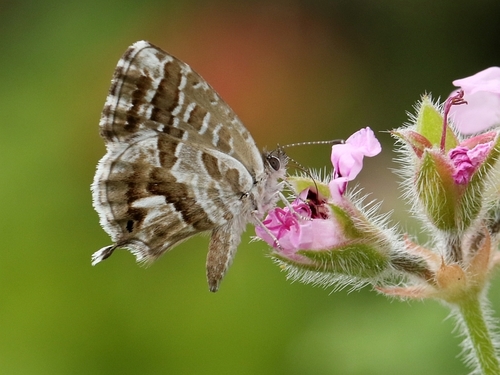
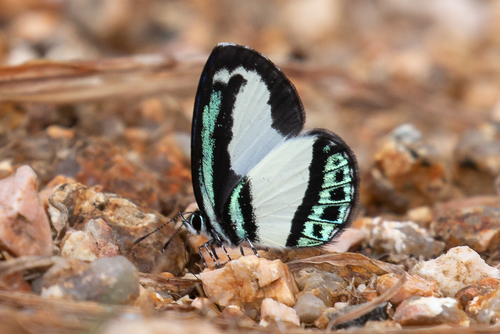
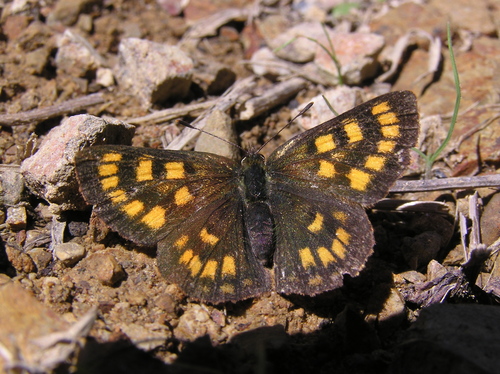
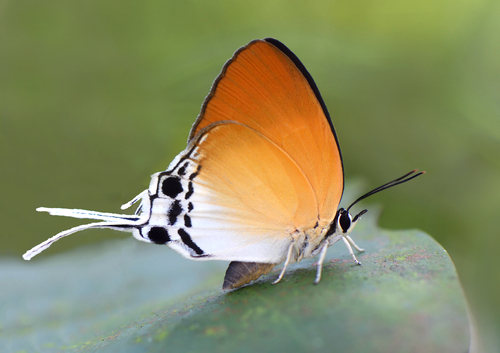
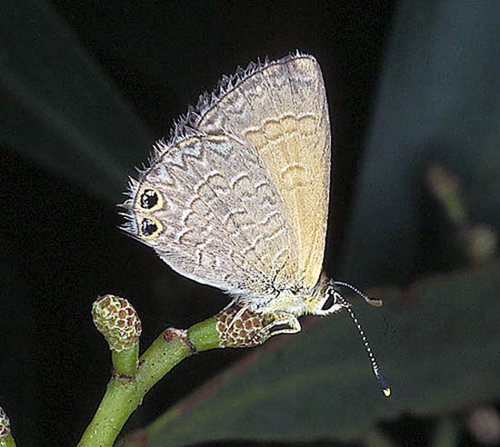
Nacaduba biocellata, commonly known as the double-spotted line blue, is a species of butterfly belonging to the family Lycaenidae. This species can be found in multiple regions across Australia: New South Wales, the Northern Territory, South Australia, Victoria, and Western Australia. It is also present in Singapore, the New Hebrides, Sumba, and Bali. The wingspan of adult Nacaduba biocellata is approximately 20 millimeters. Adult females of the species have a brown upperside on their wings, while adult males are blue with narrow black margins on the wing upperside. The wing underside of both males and females is pale brown, marked with light and dark wavy lines. The larvae of Nacaduba biocellata feed on the shoots, flowers, and buds of many different Acacia species. These host species include Acacia aneura, A. betchei, A. brachybotrya, A. deanei, A. erinaceae, A. irrorata, A. karroo, A. ligulata, A. osswaldii, A. penninervis, A. rigens, A. salicina, A. sclerophylla, A. sowdenii, and A. victoriae. Larvae can display a wide range of body colors that vary depending on their host plant; possible colors include pink, orange, yellow, and green. Nacaduba biocellata larvae are attended by ants, most commonly species from the Iridomyrmex genus, specifically I. purpureus and I. viridiaeneus. Pupation of the species occurs inside a pale brown pupa.