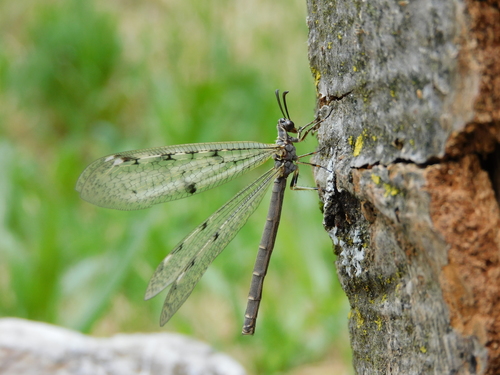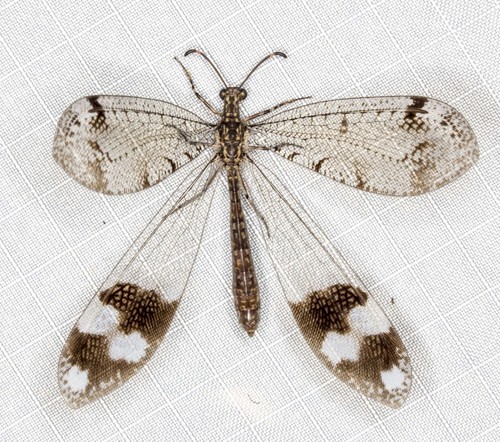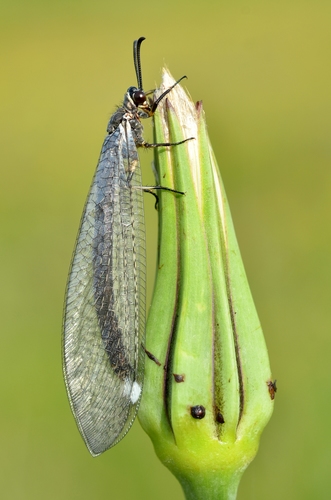
About Myrmeleon formicarius Linnaeus, 1767
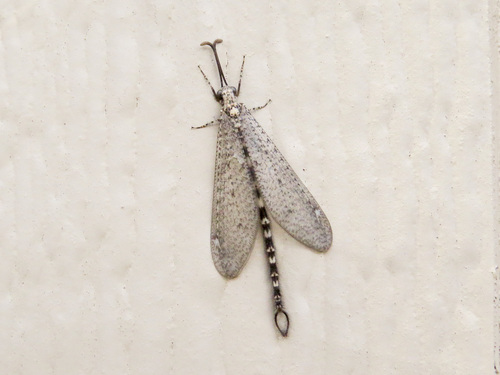
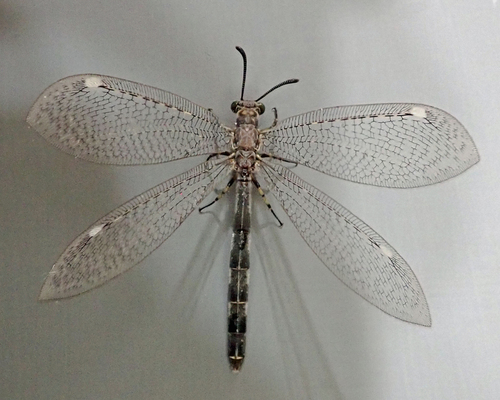
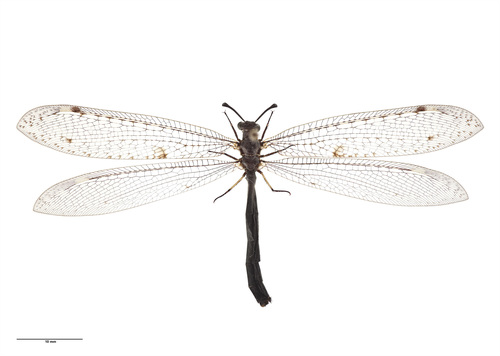
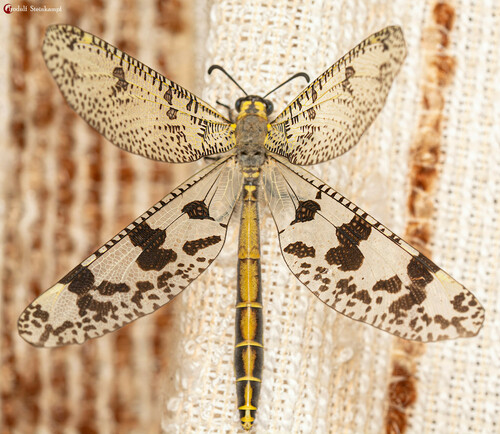
Myrmeleon formicarius is an antlion species first described by Linnaeus in 1767, native to Belgium and other regions of Europe. In 2020, it was recorded in Genk's Opglabbekerzavel nature reserve, per a species inventory for the city completed by ecological research and consulting firm Mieco-effect. The European Environment Agency notes this species has not yet been assessed by the IUCN, so it does not have an official conservation threat status. Although little species-specific information about it is available online, Encyclopædia Britannica identifies it as "the best known of the 65 described species" of antlions. There is documented widespread confusion between distinguishing individual M. formicarius and the related species Euroleon nostras. The clearest identifying characteristic of M. formicarius larvae is their mostly black head, but this feature is often hard to observe correctly, because fine humus or substrate particles can cling to the many hairs covering their head. For adult M. formicarius, the absence of black flecks in the wing coloration serves as an identifying trait. In 2020, a study conducted by Wu et al. sequenced the mitochondrial genome of M. formicarius, and found the species is most closely related to Myrmeleon immanis, another antlion species. In Dutch, the common name of M. formicarius is Zwartkopmierenleeuw, which translates to "Blackhead antlion".