About Myrmecodia beccarii Hook.f.
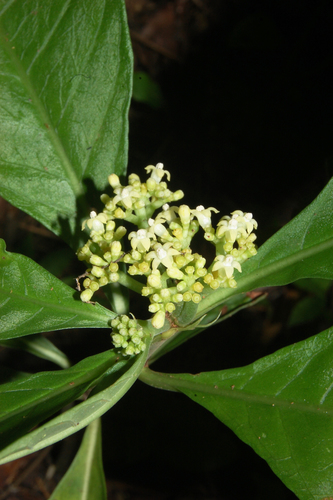
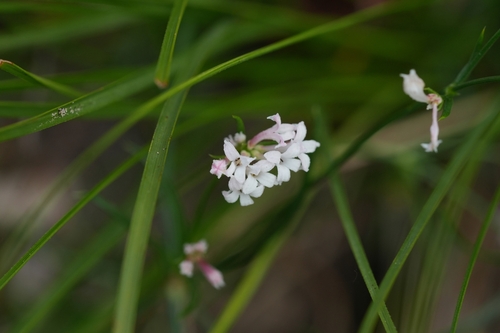
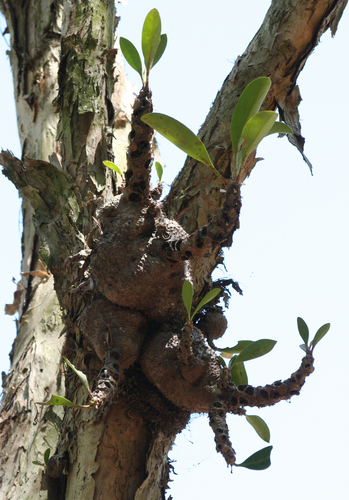
Myrmecodia beccarii Hook.f., commonly known as the ant-house plant, is an epiphytic species that grows on Melaleuca trees and other plants with spongy bark. It occurs in wetlands and mangroves of tropical north Queensland, Australia, ranging from Cooktown to Mission Beach. This species develops a prickly, swollen caudex that forms natural hollows. These hollows are naturally colonized by the golden ant Philidris cordatus in a symbiotic relationship. In this arrangement, ants patrol the plant to remove leaf-eating pests, and the plant absorbs the ants' excreta for nutrition. The plant produces white, tubular flowers that grow up to 10 mm long. Its fruit is white or translucent and holds a single seed. Mistletoebirds (Dicaeum hirundinaceum) transport these seeds to other host trees. The Apollo jewel butterfly (Hypochrysops apollo apollo) lays its eggs on this plant. The eggs smell like ant eggs, so ants carry the eggs into the hollows inside the plant, where they develop into adult butterflies. Hypochrysops is a genus of "blues", which are butterflies in the family Lycaenidae. This butterfly family is well known for widespread myrmecophily. Based on this pattern, the newly hatched larvae likely either feed on food they obtain by begging from ants, feed on ant larvae, or both. Once development is complete, adult butterflies emerge and leave the plant. This plant has been classified as a vulnerable species by the Australian government, due to threats from invasive species and illegal collection.