About Mylothris agathina (Cramer, 1779)
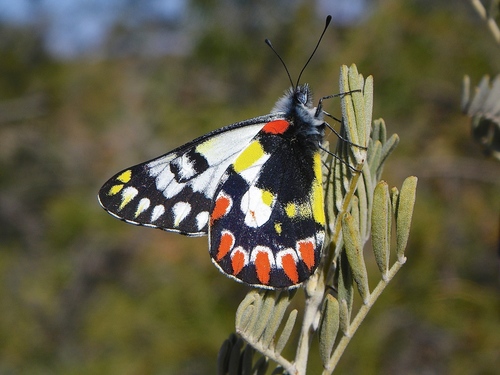
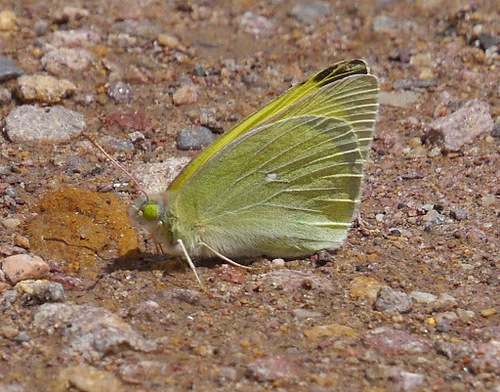
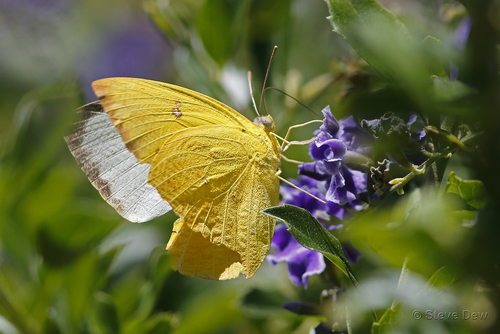
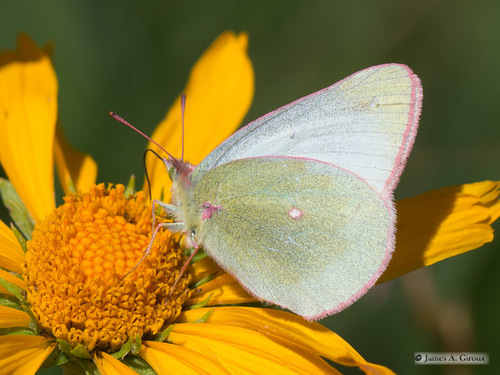
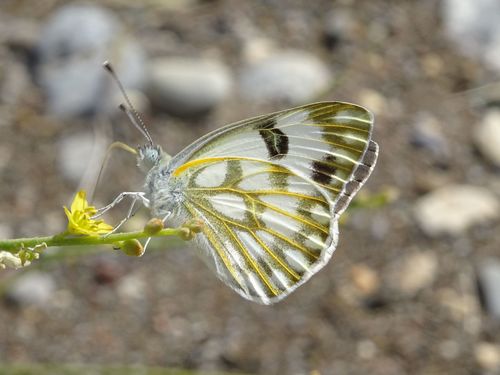
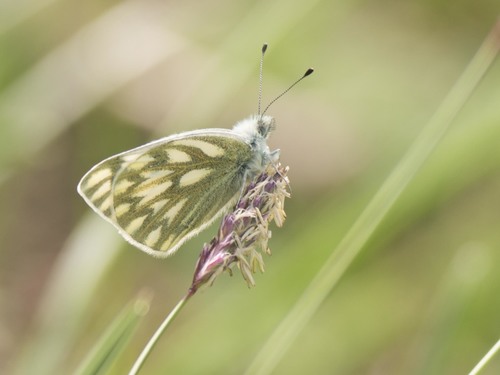
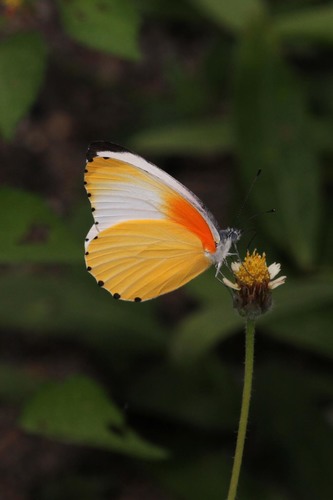
The common dotted border butterfly, Mylothris agathina, has bright white wings with yellowish tones and black dots along the wing margins. Males have a wingspan of 50–60 millimetres (2.0–2.4 in), while females have a wingspan of 52–65 mm (2.0–2.6 in). Adults are slow fliers, and they are active year-round, with flight activity peaks in October and from late February to April. This species is commonly found across sub-Saharan Africa. Its typical habitats include savannas, forests, grasslands, open woodlands, and bushveld areas. It is often observed in suburban gardens, particularly at the tops of trees. Mylothris agathina prefers areas with abundant flowering plants. Males of the species often engage in mudpuddling. Adults rely on nectar from flowering plants as a food source; one such nectar source is Tetraselago natalensis, the Natal Blue Haze, a plant native to the threatened grasslands of KwaZulu-Natal (KZN). These grasslands are typically located near forests, where this butterfly is commonly spotted. Mylothris agathina larvae use hemiparasitic plants as host plants, including Erianthemum dregei (Hairy Mistletoe) and Osyris lanceolata (African Sandalwood). The confirmed distribution of this species includes: Sudan, Ethiopia, Somalia, Kenya (east of the Rift Valley), Tanzania, southern Democratic Republic of Congo, Angola, Malawi, Zambia, Mozambique, Zimbabwe, Botswana, Namibia, Eswatini (Swaziland), and South Africa (Limpopo Province, Mpumalanga, North West Province, Gauteng, KwaZulu-Natal, Eastern Cape Province, Western Cape Province).