About Murdannia keisak (Hassk.) Hand.-Mazz.
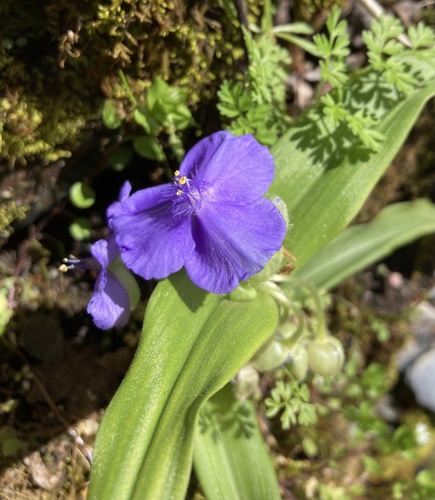
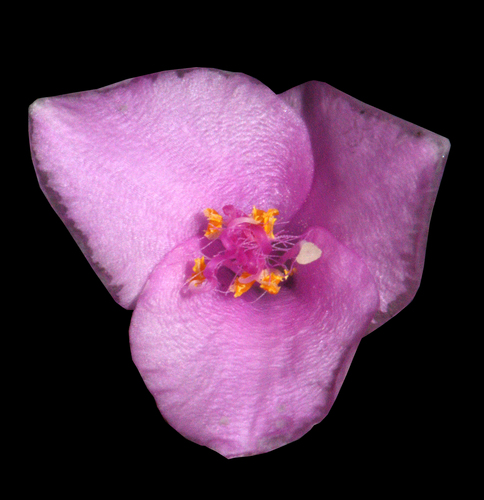
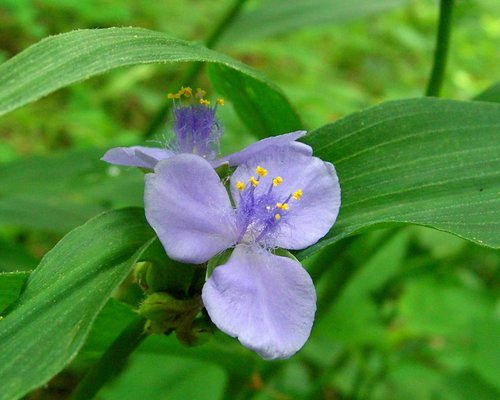
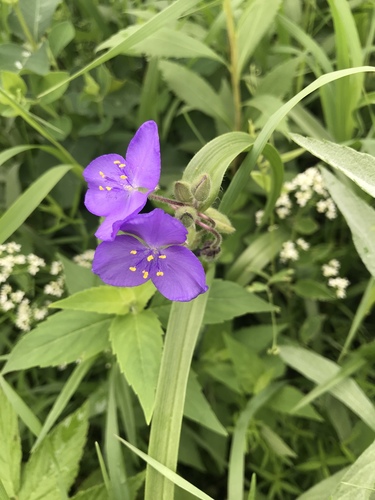
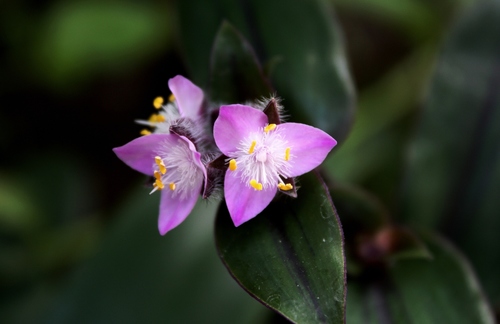
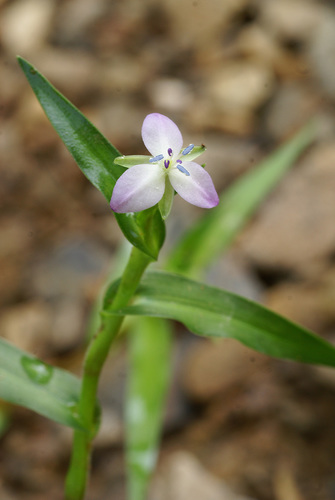
Murdannia keisak, commonly called marsh dewflower, is an annual emergent plant belonging to the Commelinaceae family. It has several other common names: aneilema, wart-removing herb, Asian spiderwort, and marsh dayflower. This alternate-leaved species has succulent, prostrate stems that grow 12 to 20 inches long, and produces new roots at its lower stem nodes. Its three-petaled, perfect flowers range in color from white to bluish-purple or pink, and grow in upper leaf axils and at the tips of stems. Its fruit is a capsule that holds several small seeds. Murdannia keisak grows in freshwater marshes, and along the edges of ponds and streams. It is associated with rice cultivation in east Asia, where it is native to China, Japan, Korea, and Tibet. It is an introduced species in the United States. The first recorded occurrences of Murdannia keisak in Louisiana and South Carolina date to the 1920s and 1930s. It was most likely brought to the US alongside rice imported for agricultural use. Evidence also indicates that the plant was present for decades before its first formal collection. Established populations of the species exist in the mid-Atlantic and southeastern US, ranging from New Jersey to Florida and westward to Arkansas and Louisiana. It is also documented in the Columbia River estuary between Washington and Oregon. Murdannia keisak can spread aggressively, outcompeting other native vegetation and forming dense solid mats. It can disperse via its small seeds, which are a preferred food source for ducks and other waterfowl, and it can also reproduce through vegetative reproduction.