About Motacilla tschutschensis Gmelin, 1789
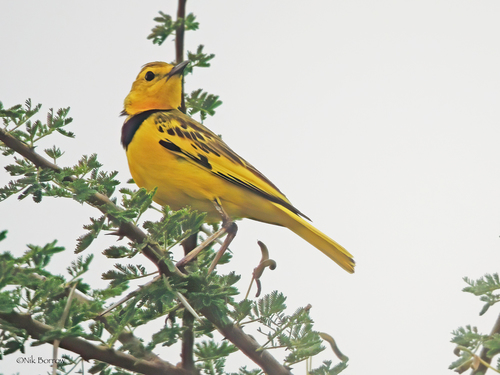
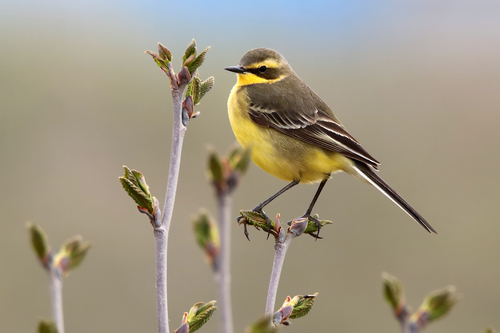
This is a slender bird that measures 15–16 cm in length, and has the characteristic long, constantly wagging tail shared by all members of its genus. Breeding adult males are primarily olive-green on the upperparts and yellow on the underparts. In other plumages, especially first-winter birds and also many females, the yellow may be diluted with white. The head colour and pattern of breeding males varies across subspecies. Its bill and legs are black, and its hind claw is long and not strongly curved. This feature reliably distinguishes it from the western yellow wagtail, which has a shorter, more strongly curved hind claw, though this difference is often hard to observe on birds living in grass. Its call is a characteristic high-pitched zrri or jeet, and is shriller and more rasping than the call of western yellow wagtails. This species breeds in the East Palearctic, and also has an established breeding presence in Alaska, North America. Most individuals migrate to south-east Asia and Australia for the winter, but the non-breeding range extends as far west as eastern India and Sri Lanka. Vagrant individuals may be found outside of winter quarters during migration. For example, migrant flocks of this species (apparently Bering Sea yellow wagtails, including many adult males) are regularly seen on Palau in Micronesia, while further north on the Marianas, only occasional stray individuals (usually females or immatures) are encountered. Since DNA testing of droppings became more accessible and its identification features were clarified, this species has been found to be a surprisingly frequent late autumn and winter vagrant in western and northwestern Europe, with ten or more records in some autumns in both Britain and Sweden, and multiple recorded cases of birds overwintering in the region.