About Morone americana (Gmelin, 1789)
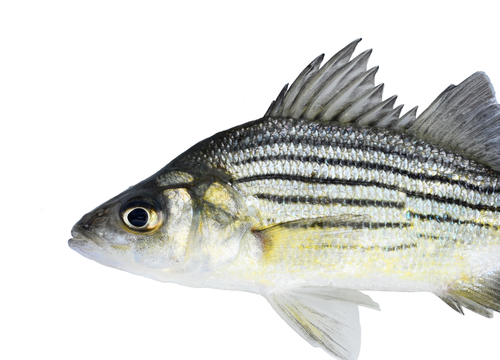
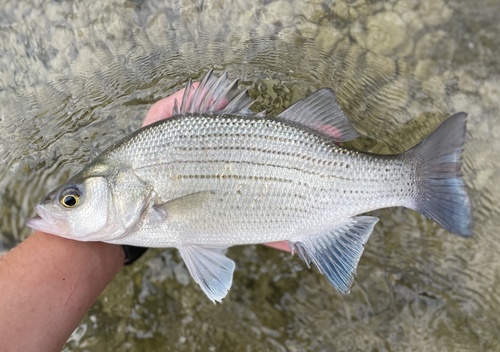
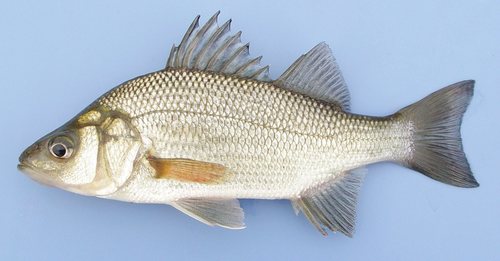
Morone americana (Gmelin, 1789), commonly called white perch, is generally silvery-white in color, which is the source of its common name. Depending on habitat and size, individuals develop a darker shade near the dorsal fin and along the top of the body. This darker coloration gives the species the additional nickname "black-back". Recorded white perch can reach a maximum length of 49.5 cm (19.5 in) and a maximum weight of 2.2 kg (4.9 lb). While the species favors brackish waters, it also occurs in fresh water and coastal habitats. Its range extends from the St. Lawrence River and Lake Ontario south to the Pee Dee River in South Carolina, and east as far as Nova Scotia. It is also found in the lower Great Lakes, Finger Lakes, Long Island Sound and adjacent coastal areas, the Hudson and Mohawk River system, Delaware Bay, and Chesapeake Bay. It occasionally occurs in small landlocked lakes and ponds. White perch is a prolific species. A single female can deposit over 150,000 eggs during one spawning session that lasts just over a week. Multiple males typically attend a spawning female, and each male may fertilize a portion of her eggs. Young hatch between one and six days after fertilization. The parasite Lironeca ovalis is sometimes found on the gills of white perch, and its presence is thought to reduce the growth rate of infected fish. The white perch population in the Hudson River is currently recovering from a prior population decline.